Technical Name: ELEVATOR OPERATOR COURSE NR 18 – SAFETY AND HEALTH CONDITIONS AT WORK IN THE CONSTRUCTION INDUSTRY
Reference: 171006
We provide courses and training; We perform Translations and Versions in Technical Language: Portuguese, English, Spanish, French, Italian, Mandarin, German, Russian, Swedish, Dutch, Hindi, Japanese and others consult.
Elevator Operator Course English
The Elevator Operator Course English aims to prepare the operator to manage elevator systems on construction sites with confidence, precision and full situational awareness. By understanding how mechanical, electrical and structural components interact during vertical transport, the participant strengthens the ability to identify hazards early and respond proactively. As the training progresses, the operator gains technical autonomy to interpret operating conditions, evaluate risks and apply protective measures that preserve equipment integrity and operational flow.
Additionally, the course seeks to align the operator’s performance with the requirements established in NR 18, ensuring that daily practices follow the safety expectations defined for construction environments. Through structured content and active learning, the participant learns to operate elevators for materials and people with discipline, clarity and consistent decision making. This approach elevates professional competence and directly contributes to safer and more efficient construction sites.
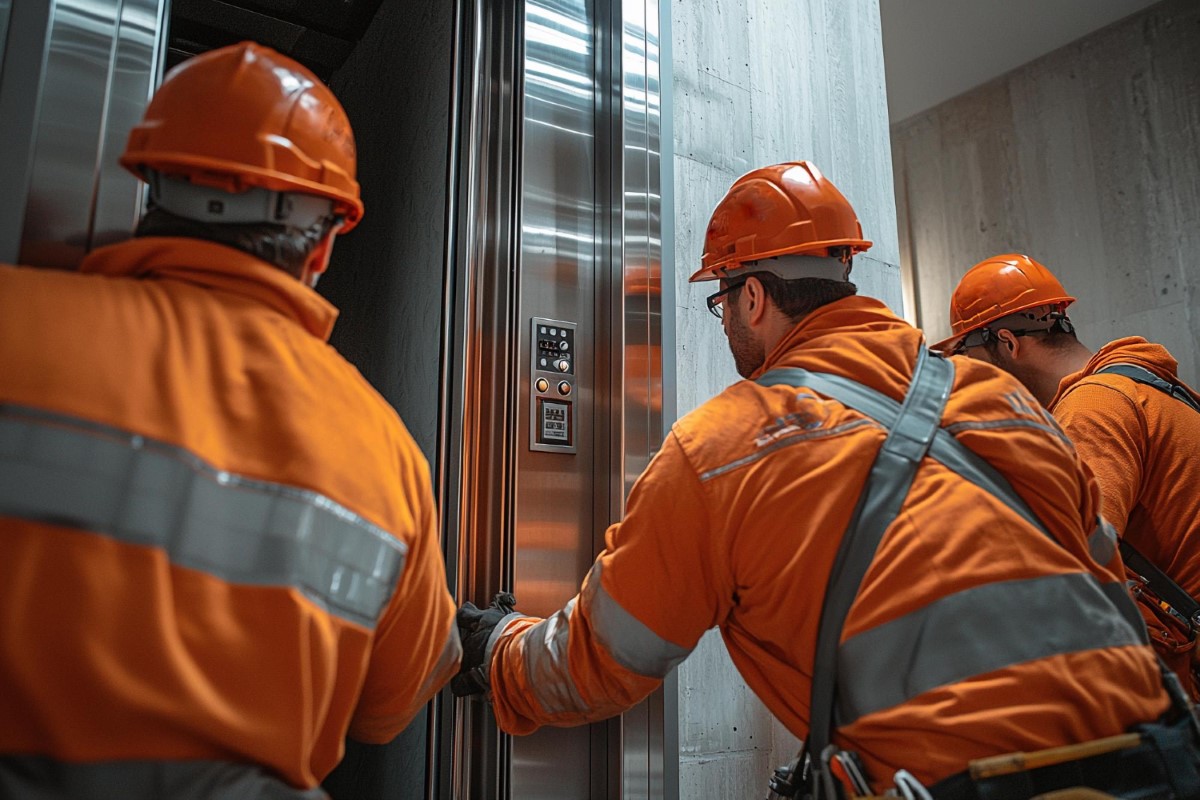
Coordinated teamwork at the landing area strengthens communication, stability and safe access throughout elevator operations.
Who is responsible for ensuring safe elevator operation on a construction site?
The primary responsibility lies with the trained elevator operator, who must actively monitor conditions, evaluate risks and apply preventive measures throughout every phase of vertical movement. By maintaining operational discipline and clear communication, the operator reduces exposure to unsafe conditions and reinforces the safe flow of people and materials.
In addition, the operator collaborates with supervisors and site management to align daily routines with the site’s safety structure. This cooperation strengthens hazard awareness, accelerates corrective actions and establishes a consistent safety culture across the entire construction site.
When should the operator perform a full inspection before starting elevator operations?
Before any elevator activity begins, the operator must establish a clear safety baseline through a structured inspection routine. This initial verification is crucial because it anticipates failures, stabilizes operating conditions and ensures that the equipment responds correctly to the demands of the workday. When the operator performs this step at the correct moment, the entire vertical transport system gains reliability and predictability.
| Inspection Timing | Expected Operator Action |
|---|---|
| At the beginning of every shift | Conduct a full structural, mechanical and electrical verification |
| After any maintenance activity | Confirm system integrity before releasing the elevator |
| Whenever abnormal noise or behavior is noticed | Interrupt operation and perform a focused inspection |
| After long periods of inactivity | Reassess all functions and protective devices |
Elevator Operator Course English: Safe boarding requires strict alignment between cabin and landing surface
Safe boarding depends on precise cabin positioning, and the operator must actively enforce this condition to protect both users and equipment. Even small misalignments can trigger instability, create trip hazards or compromise the structural behavior of the cabin. By treating alignment as a non negotiable requirement, the operator reduces risks and ensures a consistent boarding experience.
Alignment verification before every stop
Visual confirmation of landing clearance
Communication with users during boarding
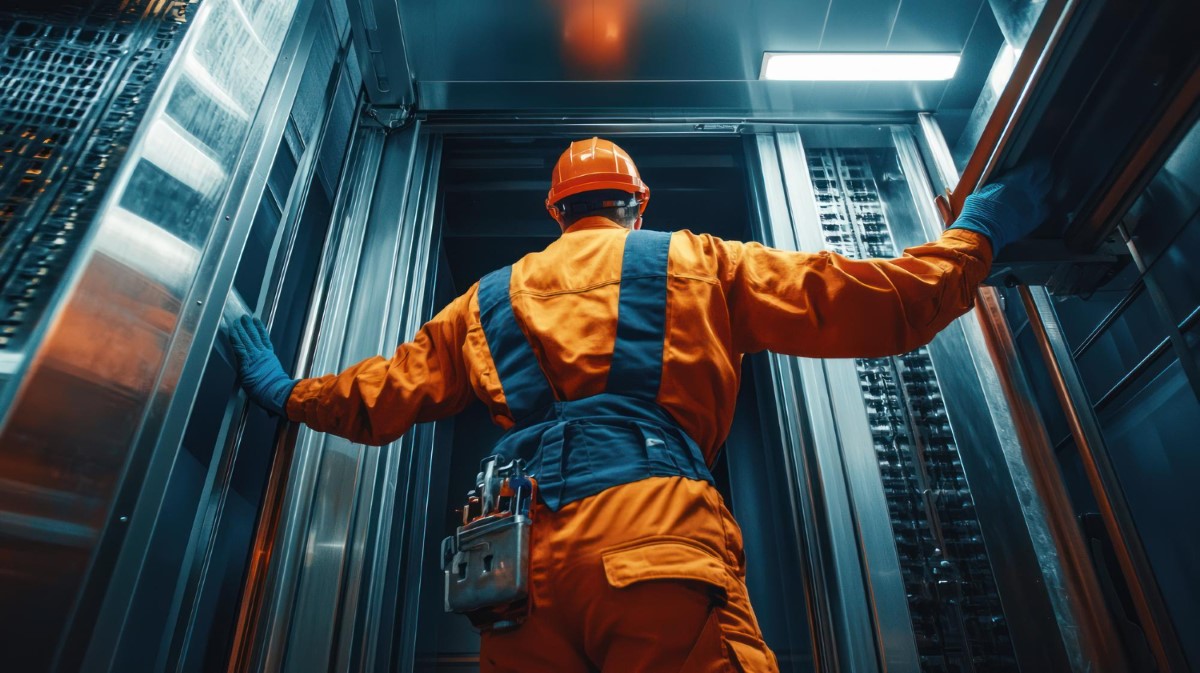
Clear control of cabin movement ensures safe transport of workers and materials during all phases of construction.
Why must the operator maintain continuous communication during elevator movement?
Continuous communication strengthens coordination between the operator, ground personnel and workers distributed across different floors. By transmitting clear signals and verifying responses, the operator prevents conflicting commands and eliminates hazardous conditions that may arise from miscommunication.
Moreover, communication acts as a behavioral safeguard by ensuring that no worker attempts to enter the cabin during movement or with protections open. This practice creates a predictable operational flow, allowing materials and personnel to move efficiently while maintaining a high standard of safety.
Which elements must the operator verify to guarantee safe elevator operation throughout the day?
Throughout the day, elevator conditions change as loads vary, environmental factors shift and mechanical components undergo natural wear. Because of this dynamic environment, the operator must continuously assess critical elements to maintain safe and efficient operation. This ongoing evaluation allows the operator to detect deviations early and intervene before they escalate into operational failures.
| Element to Verify | Purpose |
|---|---|
| Cabin door condition | Prevent unauthorized access and ensure correct interlocking |
| Load distribution | Maintain balance and avoid mechanical overload |
| Control panel responsiveness | Ensure reliable activation of commands |
| Cabin lighting and ventilation | Guarantee clear visibility and comfort during operation |
| Communication buttons | Confirm that users can signal and interact correctly |
Elevator Operator Course English: Emergency devices must remain accessible at all times
In any scenario where abnormal behavior arises, immediate access to emergency devices determines the operator’s ability to react effectively. These resources must remain visible, reachable and fully functional to ensure rapid intervention and protect users from unexpected risks. When accessibility is maintained without interruption, emergency control becomes a reliable extension of operational safety.
Clear visibility of the emergency stop device
Unobstructed access to all emergency controls
Routine testing to confirm device responsiveness
Where should the operator focus attention to identify early signs of equipment malfunction?
The operator must direct attention to the behavior of the cabin, mechanical sounds and the response time of control commands. These elements provide early indicators of performance deviations that may precede structural or electrical failures. By observing these signals proactively, the operator identifies issues before they affect equipment integrity.
Additionally, unusual vibration, progressive heat, door misalignment or slower vertical movement often signal deeper mechanical stress. When the operator recognizes these patterns early, the likelihood of sudden failures diminishes significantly, reinforcing both operational continuity and user safety.
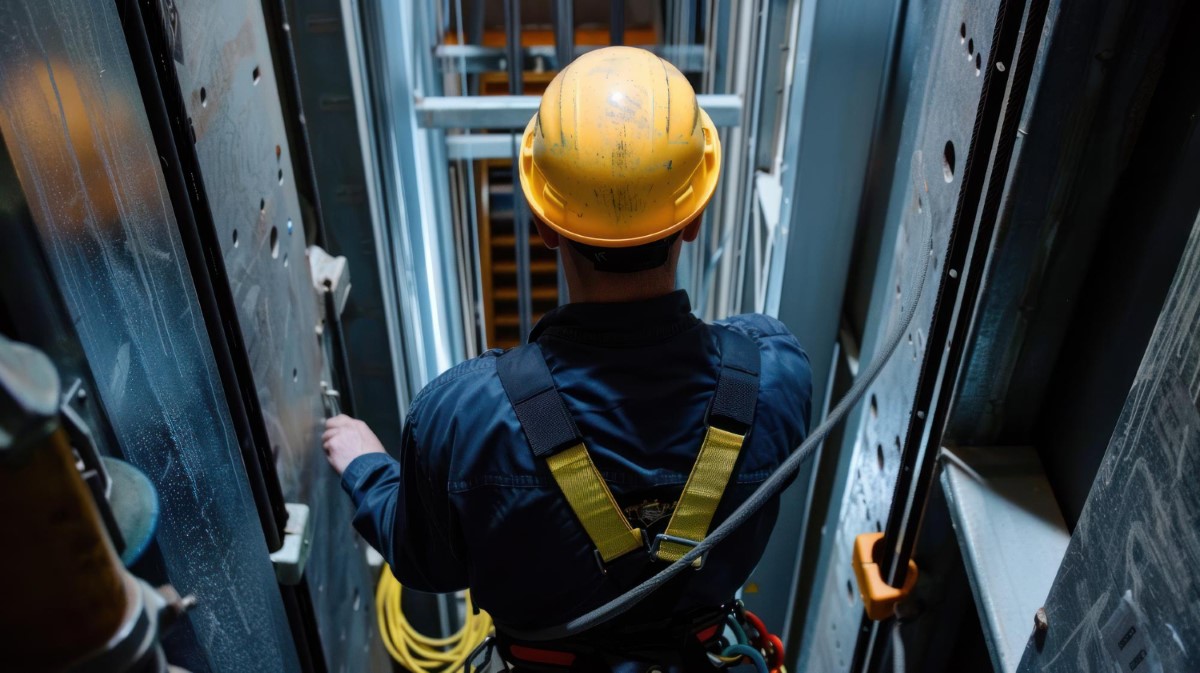
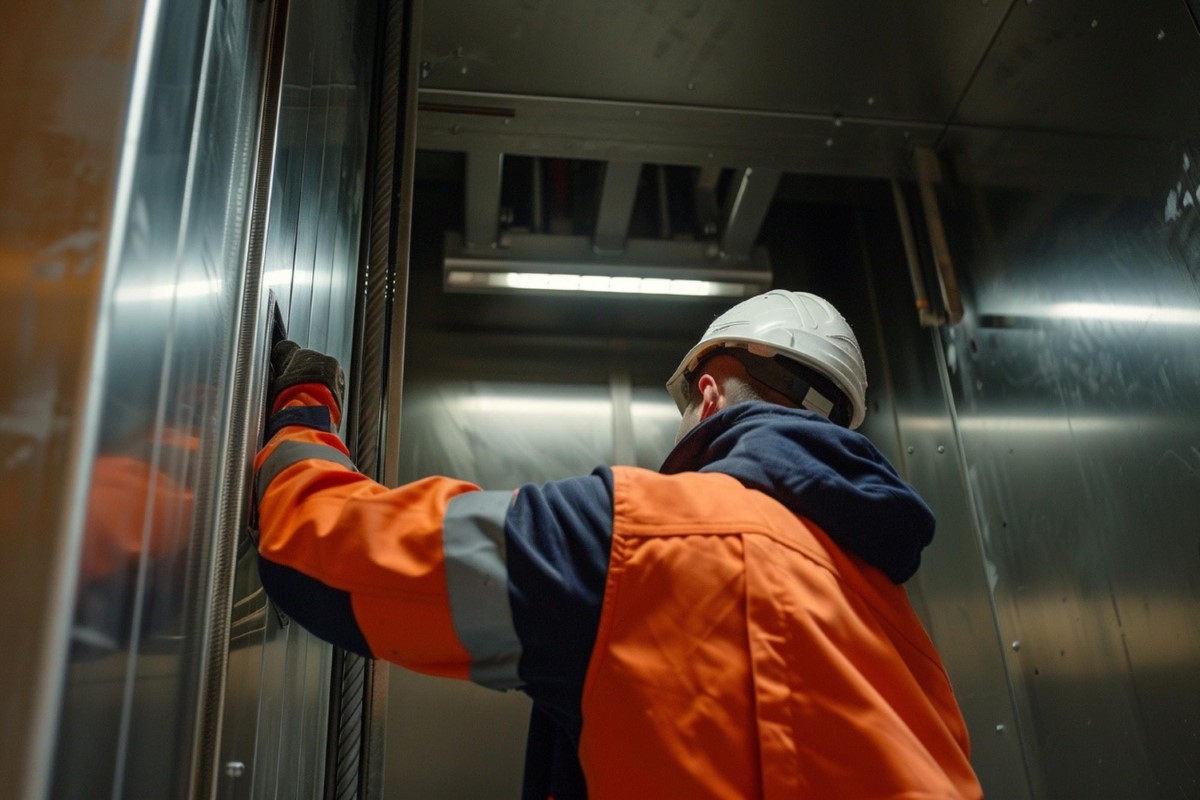
Inspection inside the elevator shaft reinforces the operator’s ability to identify mechanical risks and maintain safe operating conditions.
What is the important of the Elevator Operator Course English?
The Elevator Operator Course English is essential because it equips the operator with the technical clarity and operational discipline required to manage elevator systems safely within dynamic construction environments. As construction sites evolve throughout the day, the operator must interpret mechanical behavior, identify hazards early and execute procedures that preserve both human safety and equipment integrity. By strengthening these competencies, the training elevates the operator’s ability to make quick and informed decisions, which directly reduces the likelihood of accidents and operational failures.
Furthermore, the course reinforces full alignment with NR 18, which defines the safety and health conditions expected for vertical transport of materials and people in the construction industry. When the operator understands and applies these requirements consistently, the work site becomes more organized, predictable and resistant to operational deviations. As a result, the training not only enhances individual competence but also strengthens the overall safety culture of the construction environment.
Click the Link: Criteria for Issuing Certificates in accordance with the Standards
Certificate of Completion
Elevator Operator Course NR 18 in English
ELEVATOR OPERATOR COURSE NR 18 – SAFETY AND HEALTH CONDITIONS AT WORK IN THE CONSTRUCTION INDUSTRY
Course Load: 16 Hours
MODULE 1 – Working Conditions and Construction Site Environment (2 Hours)
Understanding the operational environment of construction sites
Circulation routes, access points and restricted areas
Environmental factors affecting elevator operation such as lighting, ventilation and weather
Interaction between collective protection systems and vertical transport structures
Responsibilities of the elevator operator inside the construction site
MODULE 2 – Hazard Identification and Risk Assessment (2 Hours)
Recognition of hazards inherent to the movement of materials and people
Assessment of significant mechanical, electrical, gravitational, ergonomic and operational risks
Interpretation of the site’s hazard list and preventive actions
Integration of risk perception with operational decision-making
MODULE 3 – Collective Protection Systems at Construction Sites (1 Hour)
Physical barriers, guardrails, access-control points and exclusion zones
Communication systems that ensure safe movement around elevator towers
Lighting and visibility requirements for safe operation
Relationship between collective protection equipment and vertical transport
MODULE 4 – Personal Protective Equipment: Correct Use and Limitations (1 Hour)
Selection of essential protective equipment for elevator operation
Inspection, care and replacement routines
Limitations related to different types of protective equipment
Operator responsibilities regarding correct and consistent use
MODULE 5 – Construction Site Risk Management Structure (PGR) (1 Hour)
Composition and purpose of the site’s risk management plan
How the operator interprets and applies the site’s preventive measures
Roles and responsibilities of workers, supervisors and managers within the risk management framework
Connection between daily routines and documented preventive measures
MODULE 6 – Technical Characteristics of Elevators for Materials and People (2 Hours)
Structural elements of elevator towers and guide systems
Characteristics of metal cabins with access doors and visibility points
Lighting and ventilation requirements
Load indication: maximum number of passengers and maximum weight in kilograms
Internal control panel, floor buttons and communication logic
MODULE 7 – Safety Devices and Interlocking Systems (2 Hours)
Interlocking of physical protections with the electrical system
Double-channel and positive-break interlock concepts
Monitoring through safety interfaces and redundancy systems
Emergency electromechanical devices and activation logic
Access door interlocks and cabin access ramps
Systems that block activation during unsafe conditions
Automatic braking systems and devices that prevent unintended movement
Base impact dampers for rated-speed protection
MODULE 8 – Installation and Mounting Requirements for Elevator Towers (1 Hour)
Sequence of tower installation steps and structural verification
Anchoring, alignment and stabilization principles
Pre-operation inspection routines
Communication between assembly teams and operators
MODULE 9 – Disassembly Requirements and Deactivation Procedures (1 Hour)
Isolation and signaling of disassembly zones
Safe sequences for structural removal
Verification of residual hazards during and after disassembly
Documentation and communication of disassembly actions
MODULE 10 – Theoretical Principles of Elevator Operation (2 Hours)
Start-up inspection procedures
Safe boarding and unboarding techniques
Load distribution, balance and cabin behavior
Identification of operational anomalies and reporting routines
Communication protocols during material and personnel transport
MODULE 11 – Theoretical Principles of Testing and Verification (1 Hour)
Purpose of functional tests and verification sequences
Evaluation of protective devices and interlocking mechanisms
Records, checklists and documentation of inspection findings
Limits of the operator’s role versus specialized maintenance teams
MODULE 12 – User Information, Communication and Behavioral Safety (1 Hour)
Mandatory user information inside the cabin and tower
Signage for instructions, warnings and emergency procedures
Behavioral patterns that reduce human-factor failures
Effective communication strategies during vertical transport operations
Completion and Certification:
Practical Exercises (when contracted);
Evidence Records;
Theoretical Evaluation;
Practical Evaluation (when contracted);
Certificate of Participation.
NOTE:
We emphasize that the General Normative Program Content of the Course or Training may be modified, updated, supplemented, or have items excluded as deemed necessary by our Multidisciplinary Team. Our Multidisciplinary Team is authorized to update, adapt, modify, and/or exclude items, as well as insert or remove Standards, Laws, Decrees, or technical parameters they consider applicable, whether related or not. The Contracting Party is responsible for ensuring compliance with the relevant legislation.
Elevator Operator Course NR 18 in English