Technical Name: Offshore Construction Crane Training Course
Reference: 170893
We provide courses and training; We perform Translations and Versions in Technical Language: Portuguese, English, Spanish, French, Italian, Mandarin, German, Russian, Swedish, Dutch, Hindi, Japanese and others consult.
Offshore Crane Course
The Crane Course aims to promote the correct handling and operation of equipment when moving cargo and materials in floating areas, always providing the safety of the operating team.
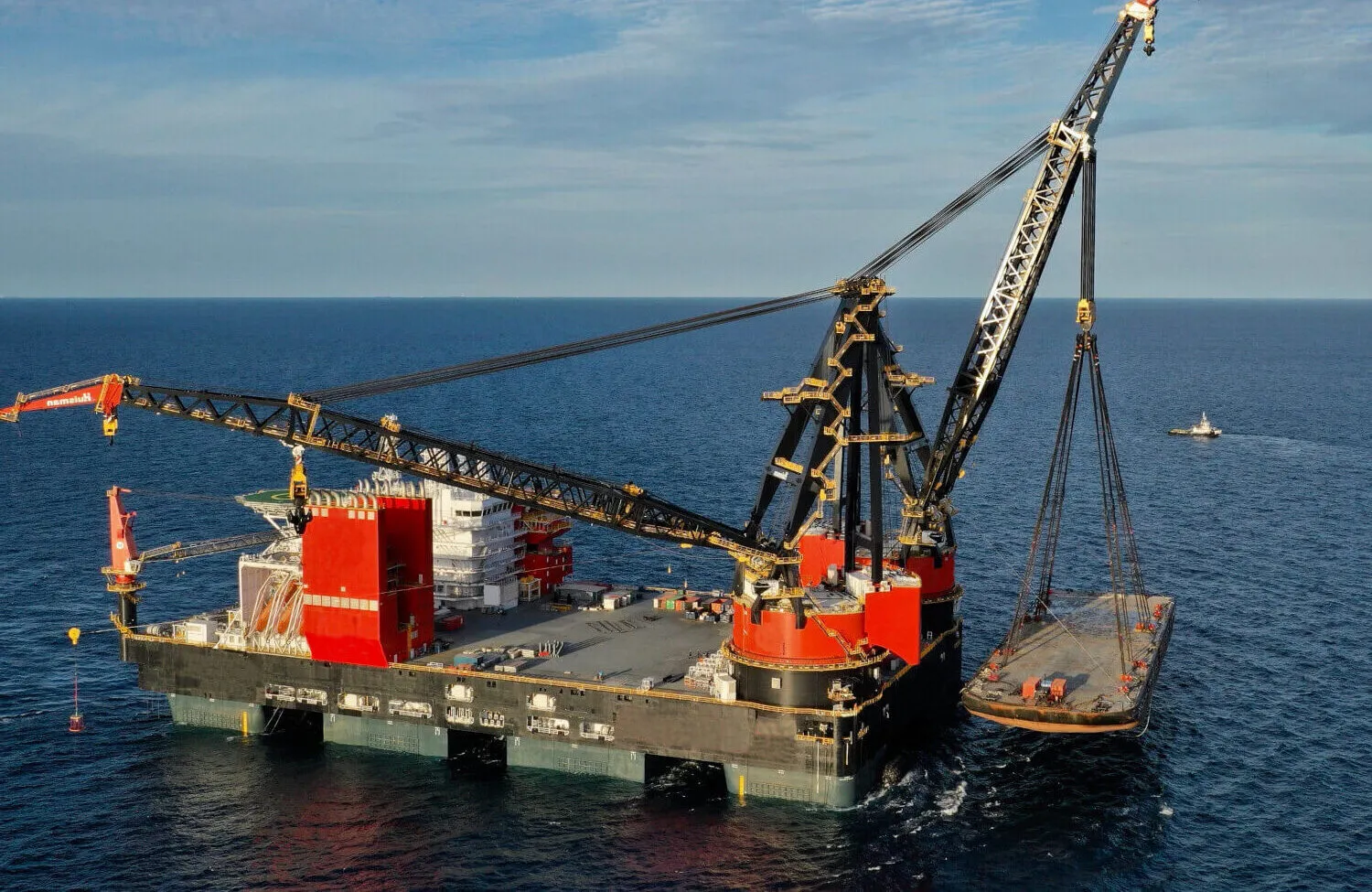
What is an Offshore Crane?
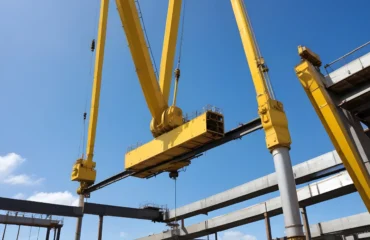
The Offshore Crane is equipment used for lifting and moving heavy, fixed or floating loads, in order to provide agility in daily operations.
NR 18 – Occupational Health and Safety Conditions in the Construction Industry
18.10.1.26 Cranes and cranes, in addition to the applicable previous requirements, must have:
a) maximum moment limiter, preventing movement continuity and only allowing its reversal;
b) anemometer that indicates the wind speed inside the equipment cabin;
c) longitudinal and transverse level indicators, except for cranes that are not mounted on a mobile base.
Click on the Link: Criteria for Issuing Certificates in accordance with the Norms
Treinamento Livre Profissionalizante Noções Básicas (Não substitui Formação Acadêmica ou Ensino Técnico)Certificado de conclusão
Offshore Crane Course
Application field;
Responsibilities;
Risk Management Program (PGR);
Living areas;
Electrical installations;
Work stages;
Work permission;
Safe operation of the machine or equipment;
Floating services;
Stairs, ramps and walkways;
Safe working method;
Risk control measures: Collective Protection Equipment – EPCs;
Personal Protection Equipment – PPE;
Safe inspection, adjustment and maintenance;
Protection measures against falls from a height;
Machines, equipment and tools;
Moving and transporting materials and people (elevators);
scaffolding and work platforms;
Safety signs;
Notions about accidents and diseases resulting from exposure to risks in the machine, equipment and implements;
Notions about providing first aid;
Safety for mechanical, electrical and other relevant risks;
Maximum moment limiter;
Operation of protections;
Procedures in emergency situations;
Notions about traffic legislation and health and safety at work legislation;
Machine and equipment operation blocking system during inspection, cleaning, lubrication and maintenance operations;
Safety principles in the use of the machine or equipment;
Cabin interior anemometer;
Longitudinal and transversal level indicators;
Inspection of the signalman and mooring vessel;
Suspended load movement;
Operation and daily inspection of equipment;
Actuation of safety devices;
Signaling by hand and by radio communication;
Isolation of areas under suspended loads;
Load lashing;
Description and identification of the risks associated with each machine and equipment and the specific protections;
Visual identification of damage to pulleys, hooks, steel cables and synthetic straps;
Accidents prevention;
Reading and interpretation of the lifting plan;
Beware of nearby high voltage lines;
Basics of work at heights;
Current safety regulations.
Activity Complements:
Awareness of Importance:
APR (Preliminary Risk Analysis);
PAE (Emergency Action Plan;
PGR (Risk Management Plan);
Understanding the need for the Rescue Team;
The importance of knowledge of the task;
Accident prevention and first aid notions;
Fire protection;
Perception of risks and factors that affect people’s perceptions;
Impact and behavioral factors on safety;
Fear factor;
How to find the fastest and easiest way to develop Skills;
How to control the mind while working;
How to administer and manage working time;
Why balance energy during activity in order to obtain productivity;
Consequences of Habituation of Risk;
Work accident causes;
Notions about the Tree of Causes;
Notions about Fault Tree;
Understanding Ergonomics;
Job Analysis;
Ergonomic Hazards;
Hazard Communication Standard (HCS) – OSHA;
Practical exercises:
Registration of Evidence;
Theoretical and Practical Assessment;
Certificate of participation.
Our Multidisciplinary Team is entitled to insert any standards, laws, decrees or technical parameters that they deem applicable, whether related or not to the scope of service negotiated, with the Contracting Party being responsible for providing the necessary services in accordance with the legislation, as established in the same.
Offshore Crane Course