Technical Name: SLINGER SIGNALLER AND LOAD LASHING COURSE NR 18 – SAFETY AND HEALTH AT WORK IN THE CONSTRUCTION INDUSTRY
Reference: 170996
We provide courses and training; We perform Translations and Versions in Technical Language: Portuguese, English, Spanish, French, Italian, Mandarin, German, Russian, Swedish, Dutch, Hindi, Japanese and others consult.
Signalman and Rigger Course
The Signalman and Rigger Course aims to develop the participant’s ability to operate as a Slinger Signaller with precision, clarity and situational awareness. Throughout the training, the learner gains mastery of communication signals, load lashing techniques, risk anticipation and the dynamic behavior of suspended loads. As the content evolves, the participant begins to understand how each action influences equipment stability, operational flow and the safety of all workers in the surrounding area. This approach ensures that the professional acts with confidence even in complex lifting scenarios.
Furthermore, the course strengthens the participant’s capacity to comply with the operational and safety principles established by NR 18. By integrating these requirements into real work situations, the training cultivates decision making based on risk control, environmental perception and technical accuracy. As a result, participants leave prepared to coordinate lifting operations, maintain clear communication with crane operators and ensure safe movement of materials across the construction site.
Clear hand signals guide the crane operator, maintaining accuracy and stability throughout the lift.
Who is responsible for ensuring proper communication during lifting operations?
Effective communication depends on a coordinated effort between the Slinger Signaller and the equipment operator, as both roles directly influence the precision and safety of each maneuver. The Slinger Signaller provides visual and verbal instructions that translate operational needs into controlled actions. The operator, in turn, executes these commands with accuracy, adjusting movements based on real-time conditions.
This shared responsibility becomes even more significant when loads behave unpredictably or environmental factors affect visibility and stability. By maintaining aligned communication protocols and immediate feedback loops, both professionals uphold a safe operational rhythm that prevents errors, protects equipment and minimizes risks to surrounding workers.
When should visual inspections of lifting accessories be performed?
Visual inspections serve as a preventive barrier against structural failures, especially because lifting accessories degrade gradually and often without audible or visible warnings. Establishing clear inspection moments ensures reliability throughout the entire lifting process.
| Timing of Inspection | Purpose | Expected Outcome |
|---|---|---|
| Before each operation | Identify visible wear, deformation or contamination | Confirm readiness of accessories |
| During load movement | Observe unusual tension or shifting behavior | Detect early anomalies and allow immediate intervention |
| After completing activities | Evaluate condition post-use and document irregularities | Support maintenance planning and traceability |
Signalman and Rigger Course: Proper load lashing depends on correct angle management
Angle control directly determines how forces are distributed across slings and accessories. Because even small variations can drastically alter tension levels, managing angles becomes a core competency in safe lifting operations.
Smaller angles increase lifting efficiency
Wide angles generate higher tension in sling legs
Poor angle control contributes to load rotation
Stable angles enhance overall load predictability
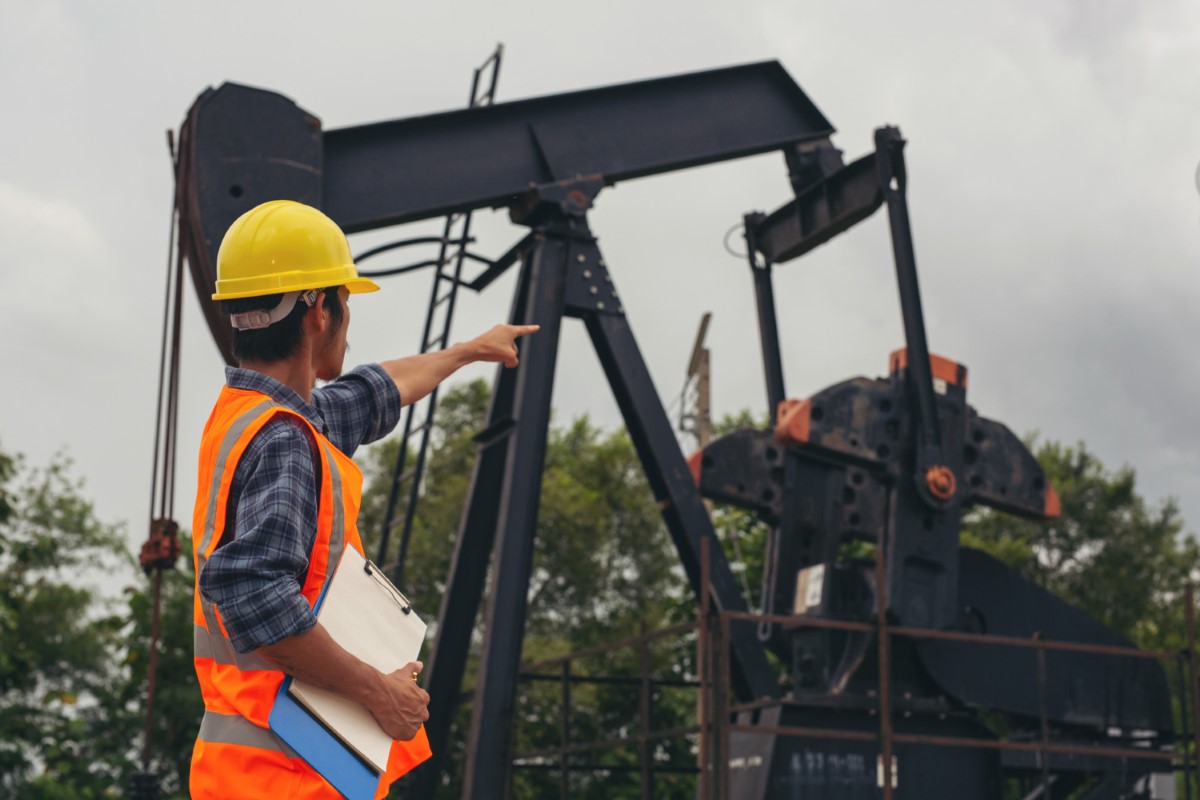
The professional evaluates equipment conditions and environment factors to guarantee safe load movement.
Why does wind significantly influence suspended loads during lifting operations?
Wind exerts lateral and rotational forces on suspended loads, altering intended movement patterns and creating unpredictable shifts. Flat or wide-surface objects become especially sensitive to gusts, which can push the load off trajectory or increase oscillation. As a result, both operator and Slinger Signaller must remain alert and adjust maneuvers quickly.
Additionally, wind increases the dynamic stress on equipment and expands the necessary isolation zones. Because a swinging load occupies a larger safety envelope, the team must reassess risk boundaries continuously. This emphasizes the importance of environmental evaluation and reinforces the Slinger Signaller’s responsibility in maintaining stability throughout the operation.
Where should isolation zones be established during load movement?
Isolation zones act as protective barriers that separate workers from the inherent unpredictability of suspended loads. Their placement must follow the logical flow of the operation and anticipate how the load will travel and behave.
| Location | Justification | Expected Safety Benefit |
|---|---|---|
| Directly under the load path | Highest exposure to vertical drop | Eliminates risk to personnel in the primary danger zone |
| Adjacent to rotation radius | Loads may swing or rotate unexpectedly | Reduces exposure to lateral impact |
| Access points of work fronts | Areas with high worker circulation | Ensures controlled entry and prevents unintended crossings |
Signalman and Rigger Course: Clear signaling ensures operational coherence
Consistent signaling creates a unified operational language, enabling precise coordination between Slinger Signaller and operator. When both follow the same visual and verbal patterns, the entire lifting sequence becomes more predictable and safer.
Visual signs convey immediate intent
Radio communication reinforces clarity
Consistency reduces misinterpretation
Standardized cues accelerate decision making
What role does the Slinger Signaller play in preventing equipment overload during lifting operations?
The Slinger Signaller prevents overload by assessing the compatibility between lifting accessories and the load configuration. Through careful evaluation of sling angles, attachment points and load distribution, the professional ensures that all forces remain within safe operational limits. This attention to detail minimizes the risk of structural overexertion or accessory failure.
Furthermore, the Slinger Signaller monitors load behavior continuously during the lift. If any deviation suggests excessive stress, they immediately communicate corrective instructions to the operator. This responsiveness transforms the Slinger Signaller into a critical safeguard against overload, protecting both the equipment and the team involved.
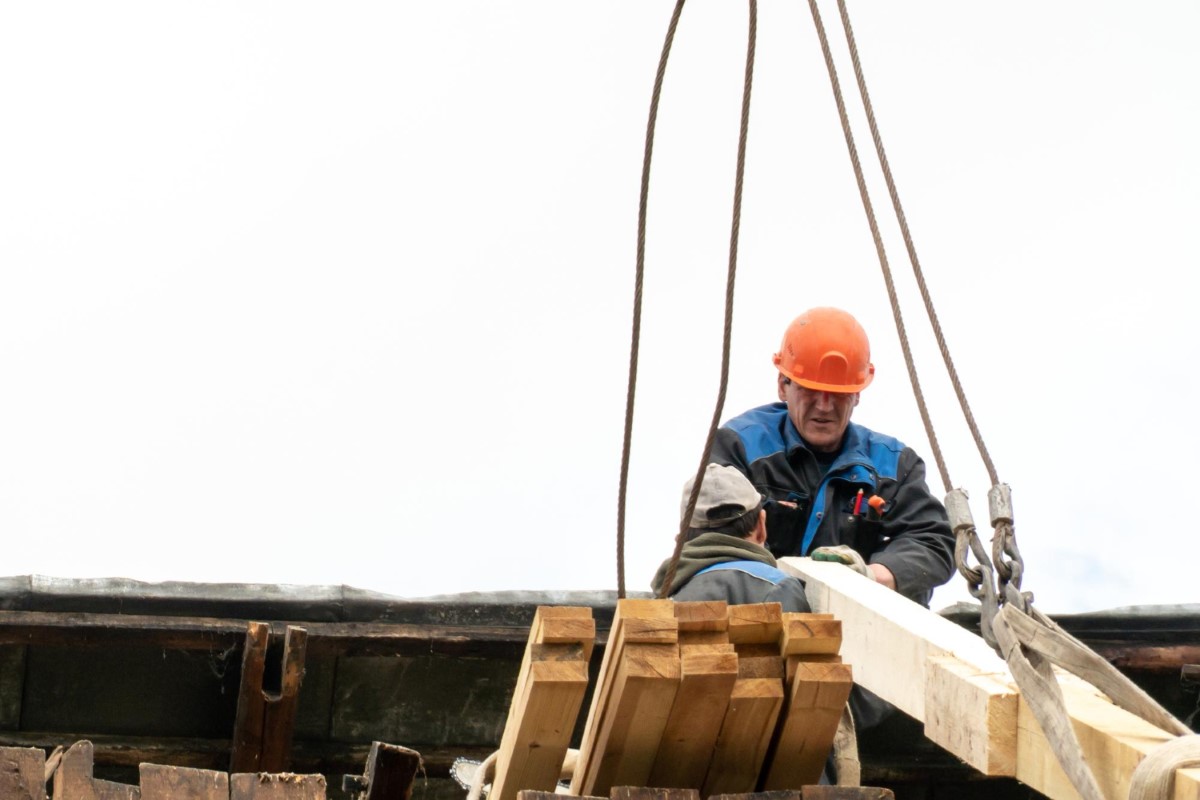
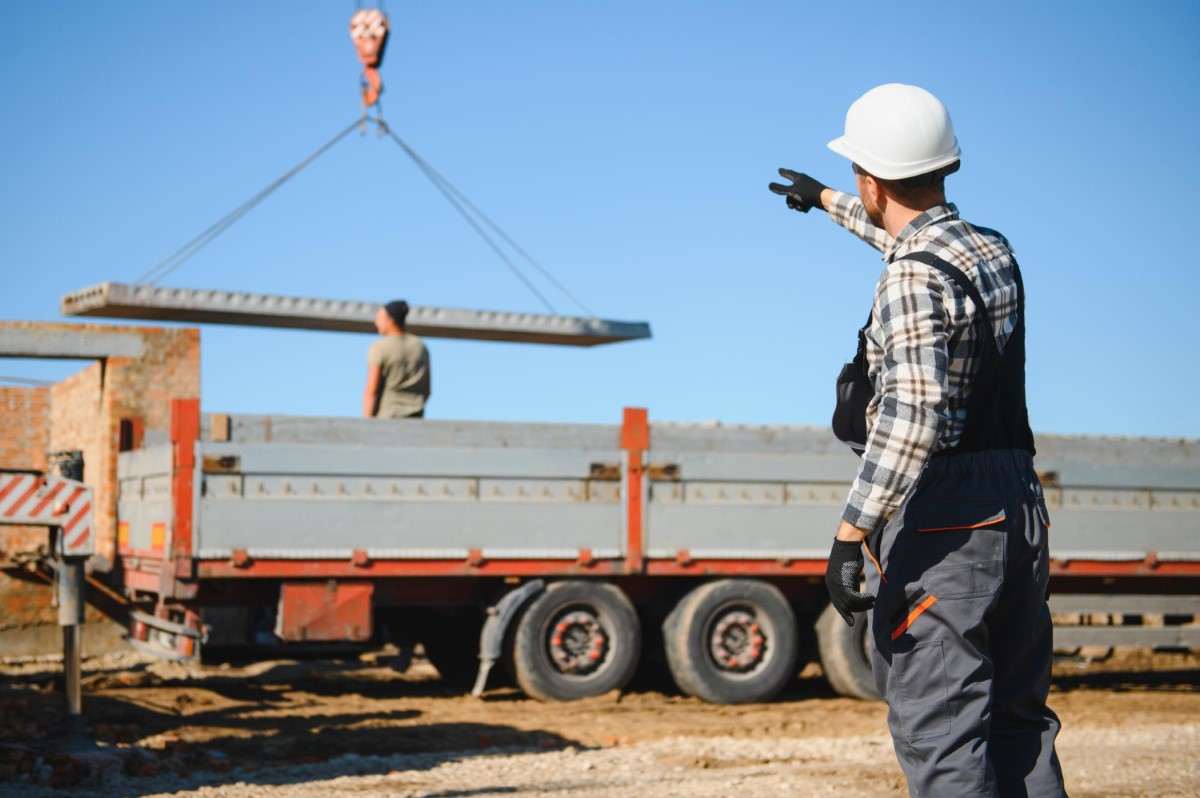
Precise coordination between the slinger signaller and the operator ensures safe positioning of materials during lifting operations.
What is the important of the Signalman and Rigger Course?
The Signalman and Rigger Course holds essential importance because it equips professionals with the technical clarity needed to manage load movement safely and efficiently. By strengthening communication skills, enhancing visual assessment capabilities and refining the understanding of load behavior, participants learn to anticipate risks and make precise decisions during lifting operations. This competency becomes especially valuable in environments where multiple teams, machines and work fronts operate simultaneously, demanding flawless coordination.
Moreover, the training ensures alignment with the operational and safety requirements established by NR 18, the principal regulatory standard guiding lifting activities. By integrating these guidelines into daily practice, the course elevates the worker’s ability to maintain safe zones, prevent equipment overload and support consistent operational flow. Ultimately, it enhances not only individual performance but also the overall safety culture of the construction site.
Click the Link: Criteria for Issuing Certificates in accordance with the Standards
Certificate of Completion
Signalman and Rigger Course
SLINGER SIGNALLER AND LOAD LASHING COURSE NR 18 – SAFETY AND HEALTH AT WORK IN THE CONSTRUCTION INDUSTRY
Course Load: 16 Hours
MODULE 1 – Operational Principles and Responsibilities (4 Hours)
Understanding the role of the slinger signaller
Scope of application and operational limits
Responsibilities in cargo movement
Safe areas, isolation procedures and suspended-load zones
Communication flow between signaller and equipment operator
MODULE 2 – Signaling, Communication and Work Coordination (4 Hours)
Hand signaling techniques
Radio communication procedures
Interference control between simultaneous movements
Work stages planning and coordination
Load visualization and control of blind spots
MODULE 3 – Load Lashing, Securing and Handling Components (4 Hours)
Principles of load lashing and securing
Synthetic straps, steel cables, chains and hooks
Rejection criteria and conditions of use
Auxiliary handling devices and overhanging platforms
Movement of materials and interaction with equipment
MODULE 4 – Risk Factors, Inspection and Preventive Measures (4 Hours)
Mechanical, structural and environmental risks
Fall protection considerations
Visual inspection of lifting components
Evaluation of platforms, lifting points and accessories
Checklist culture and importance of maintenance documentation
Completion and Certification:
Practical Exercises (when contracted);
Evidence Records;
Theoretical Evaluation;
Practical Evaluation (when contracted);
Certificate of Participation.
NOTE:
We emphasize that the General Normative Program Content of the Course or Training may be modified, updated, supplemented, or have items excluded as deemed necessary by our Multidisciplinary Team. Our Multidisciplinary Team is authorized to update, adapt, modify, and/or exclude items, as well as insert or remove Standards, Laws, Decrees, or technical parameters they consider applicable, whether related or not. The Contracting Party is responsible for ensuring compliance with the relevant legislation.
Signalman and Rigger Course