Reference: 172673
We provide courses and training; We perform Translations and Versions in Technical Language: Portuguese, English, Spanish, French, Italian, Mandarin, German, Russian, Swedish, Dutch, Hindi, Japanese and others consult.
NR37 Advanced Course English
The NR37 Advanced Course English aims to develop the worker’s ability to operate with precision, safety and situational awareness in offshore platform activities. Throughout the modules, the participant understands how to identify risks, apply operational controls and respond immediately to emergency situations, integrating task analysis, fire prevention, hazardous atmosphere management and proper use of PPE. In this way, the course promotes consistent technical mastery of the practices required in the maritime environment.
In addition, the training ensures that the professional correctly applies the requirements of NR-37, the standard that regulates health and safety conditions in operations aboard platforms. Thus, the participant strengthens their prevention capacity, improves decision-making under pressure and expands their understanding of fire-fighting systems, escape routes, work permits and emergency protocols. As a result, the course raises the level of individual and collective protection, ensuring regulatory compliance and operational performance offshore.
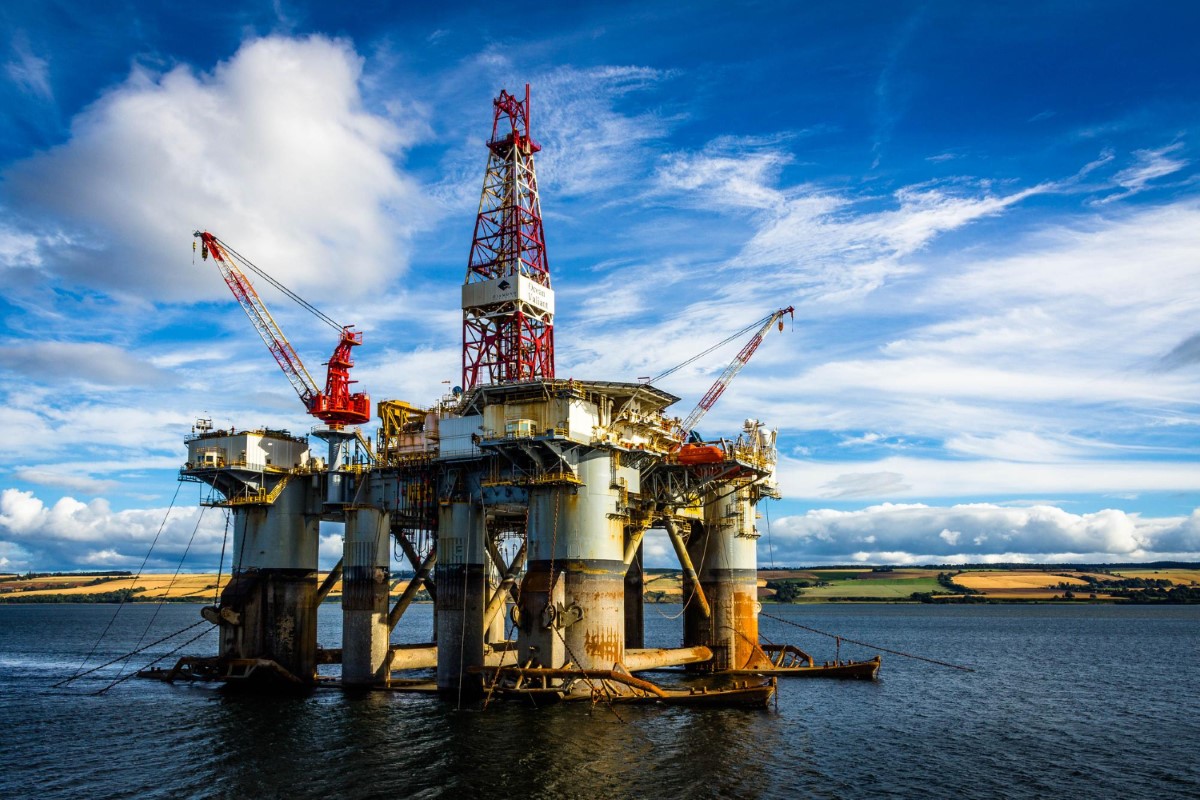
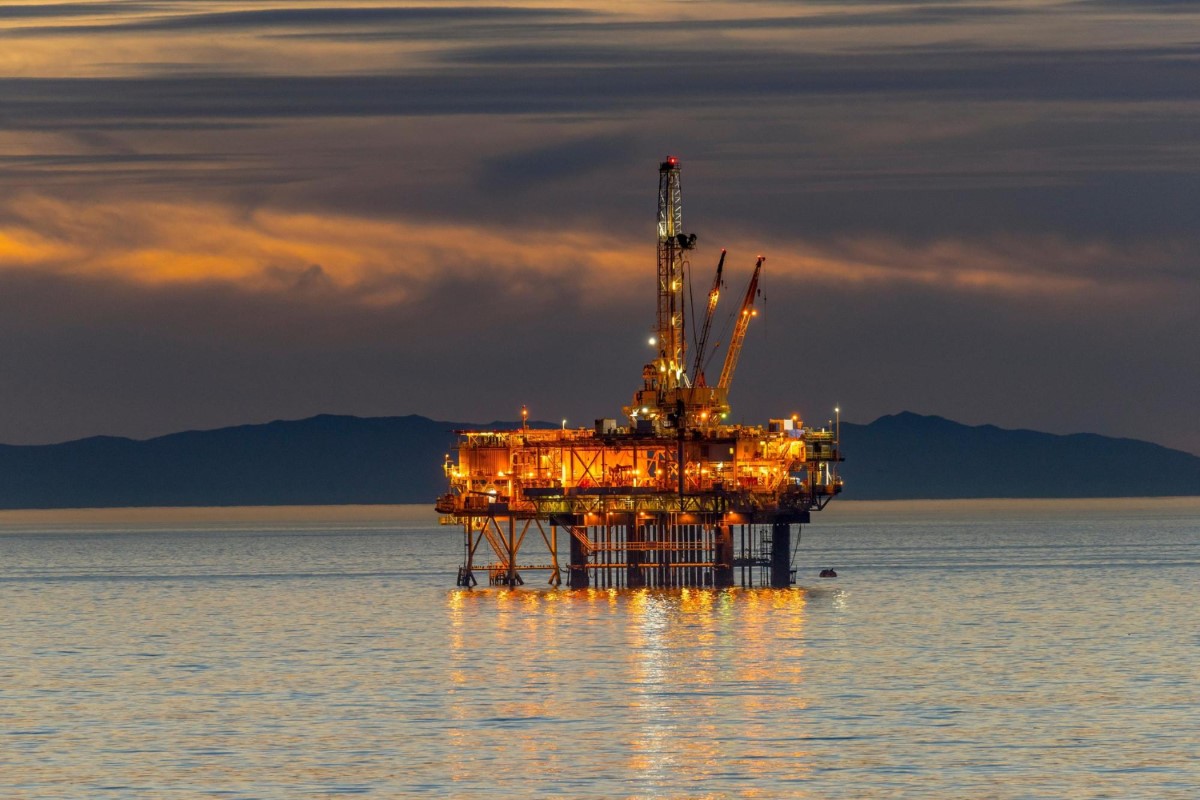
Semi-submersible drilling unit highlighting high-risk operations that demand advanced training in hazard identification, atmospheric monitoring, and safety compliance with NR-37.
Who is responsible for enforcing the operational safety measures required by NR-37 during offshore activities?
Supervisors and designated safety leaders carry the primary responsibility for enforcing NR-37 requirements, ensuring that all tasks follow safe operational practices. They validate work permits, coordinate hazard controls, and confirm that crews apply prevention measures before any intervention begins. Through this structured oversight, the platform maintains consistent compliance and operational stability.
However, every worker also acts as an immediate prevention agent, reinforcing safety by recognizing hazards and communicating them quickly. When personnel apply the standard proactively and maintain situational awareness, they strengthen collective protection and reduce the likelihood of accidents involving flammables, mechanical energy, or hazardous atmospheres.
When does the use of a Work Permit become mandatory during offshore operations according to NR-37?
NR-37 establishes the Work Permit as a critical administrative barrier that supports safe decision-making during high-risk activities. Because offshore conditions can escalate rapidly, the permit becomes mandatory whenever the task involves heightened exposure to ignition sources, hazardous energy, or atmospheric risks. The table below clarifies typical situations.
| Operational Situation | Work Permit Requirement |
|---|---|
| Hot work in classified areas | Mandatory |
| Activities in energized electrical systems | Mandatory |
| Work at height above 2 meters | Mandatory |
| Opening vessels or lines containing hydrocarbons | Mandatory |
| Maintenance near potential ignition sources | Mandatory |
NR37 Advanced Course English: Recognizing firefighting systems immediately is essential
During an emergency, speed defines the difference between containment and escalation. Workers who instantly recognize firefighting systems respond with greater accuracy and reduce event severity.
Correct visual identification
Understanding fire class applicability
Awareness of escape routes and exits
Early activation of alarms
Decision-making aligned with NR-37 procedures
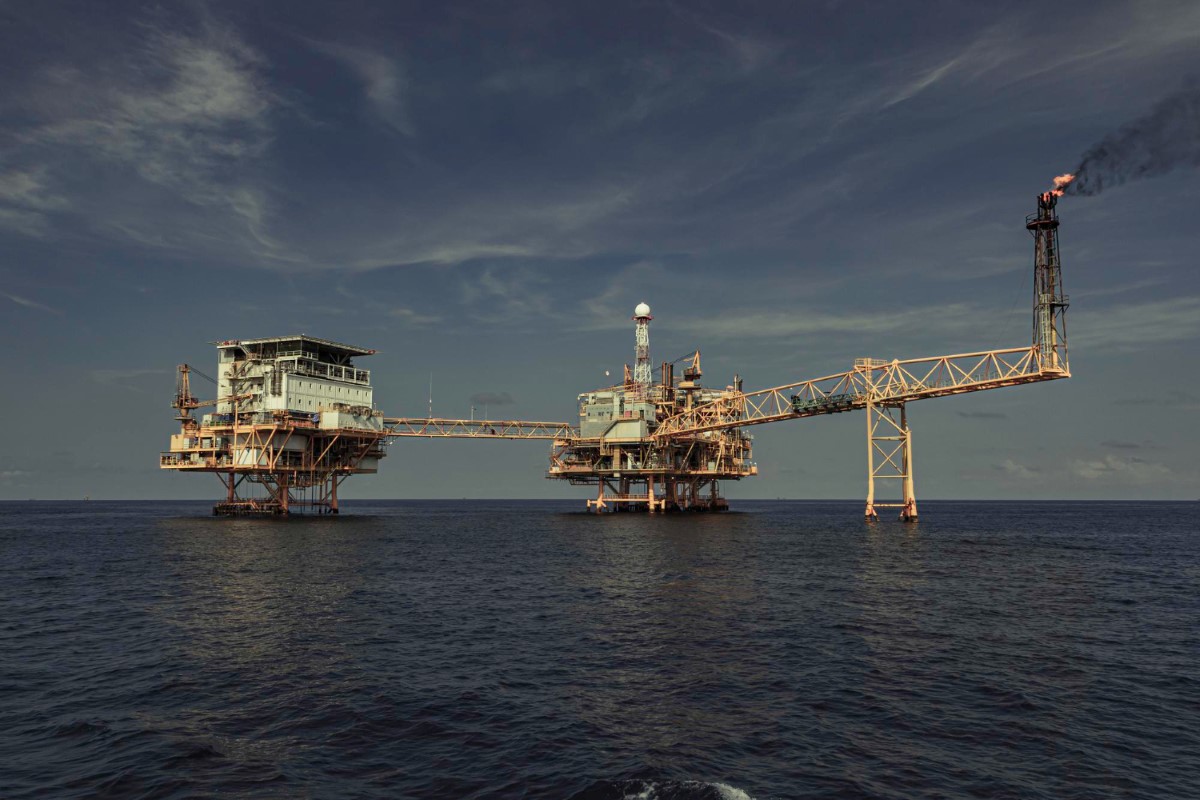
Connected offshore modules demonstrating essential integration between process areas, fire protection systems, and emergency response zones required under NR-37.
Why does preliminary task risk analysis directly influence safety on offshore platforms?
Preliminary risk analysis allows teams to identify hazards before exposure occurs, enabling them to adopt appropriate control measures that address the true complexity of the task. This structured process minimizes human error, prevents unsafe conditions, and ensures the workforce performs operations with a high level of technical clarity. In offshore environments, where flammables, high energy, and adverse weather coexist, this evaluation becomes indispensable.
Additionally, risk analysis strengthens communication between team members, supports the allocation of responsibilities, and fosters a disciplined preventive culture. When workers perform this assessment consistently, the platform aligns with NR-37 requirements, reduces operational uncertainty, and lowers the probability of critical events such as leaks, ignition incidents, or loss of containment.
Where are the main detection and monitoring points for flammable gases located in offshore environments?
The placement of gas detectors follows engineering logic that considers vapor density, ventilation behavior, and potential accumulation areas. Since gas dispersion offshore is highly dynamic, sensors must be positioned strategically in zones with higher probability of leaks or concentration. The table presents the most common installation points.
| Platform Area | Technical Justification |
|---|---|
| Process modules | Highest hydrocarbon presence |
| Engine and machinery rooms | Added risks from vibration and heat |
| Classified hazardous areas | Persistent potential for explosive atmospheres |
| Ventilation and exhaust points | Possible dispersion paths for gases |
| Outer platform edges | Detection of wind-carried vapor movement |
Team integration significantly improves emergency response offshore
Coordinated teams operate with greater precision, reducing communication failures and enabling faster, more accurate responses under pressure. This synergy becomes essential when dealing with fires, leaks, or mechanical failures.
Alignment between operations and emergency teams
Direct coordination with the emergency brigade
Support and oversight from area supervisors
Continuous communication with the control room
Full adherence to the Emergency Response Plan PRE
Who must conduct the practical inspection of firefighting systems during the onboard module?
The practical inspection must be carried out by qualified instructors who thoroughly understand the platform’s firefighting architecture. These professionals guide participants through the equipment layout, demonstrate system applications, and highlight critical points that demand special attention under NR-37 requirements. Their technical leadership ensures that the exercise strengthens operational readiness rather than becoming a superficial walkthrough.
Furthermore, supervised field practice enables workers to build reliable spatial awareness and recognize equipment under real conditions. As a result, they gain confidence, speed of action, and greater integration with emergency procedures. This hands-on approach ensures that the participant not only learns the systems but internalizes their use during high-pressure events.
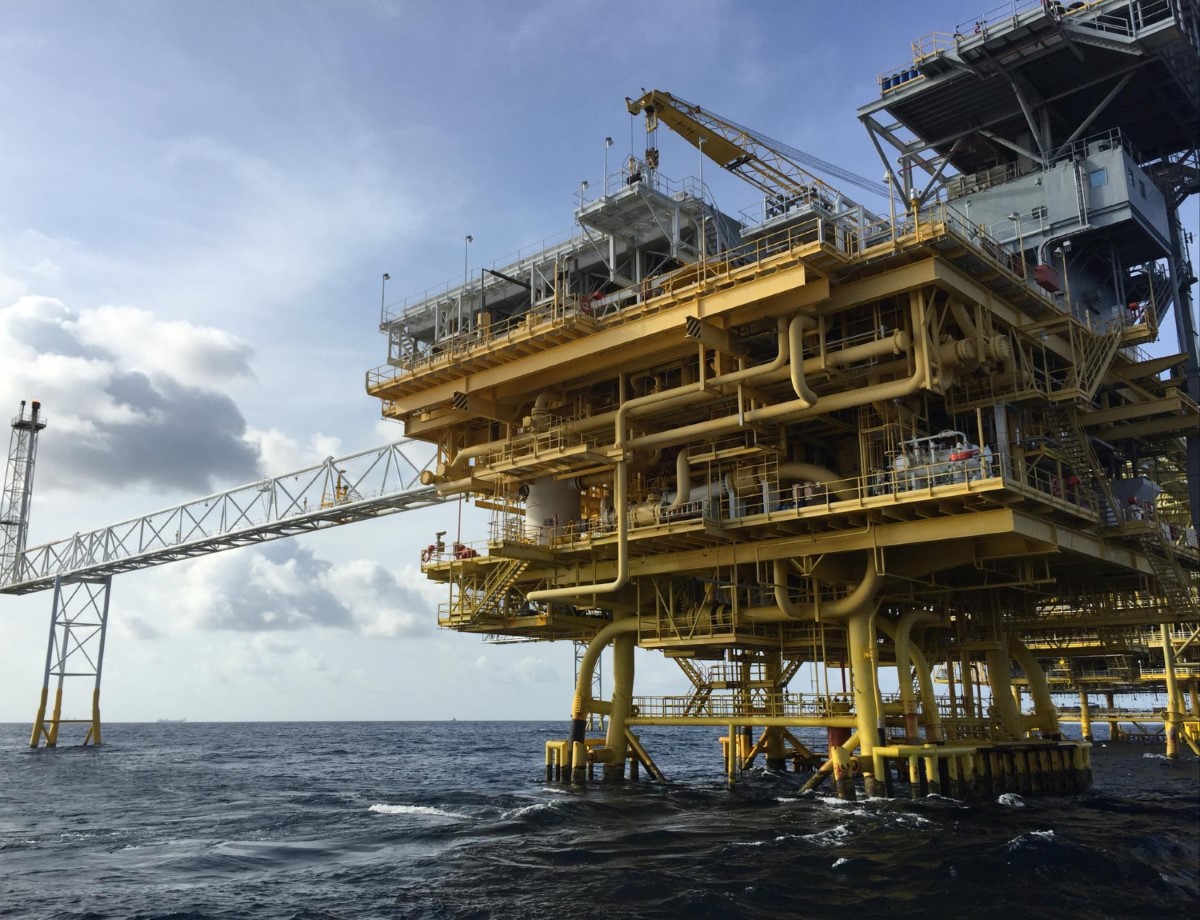
Operational platform structure illustrating the complexity of offshore systems regulated by NR-37, where risk control and emergency readiness must remain continuous.
What is the importance of the NR37 Advanced Course English?
The NR37 Advanced Course English plays a crucial role in strengthening workers’ ability to operate safely in offshore environments, where risk levels remain continuously elevated. By learning how to identify hazards, interpret work permits, handle emergency systems, and respond rapidly to operational deviations, participants develop the technical maturity required for high-risk maritime operations. Consequently, the training increases individual awareness and ensures consistent, disciplined application of preventive measures during critical tasks.
Moreover, the course ensures full alignment with NR-37, the primary regulatory standard governing safety and health requirements on oil and gas platforms. By understanding and applying its provisions, workers improve operational reliability, reduce accident potential, and enhance the integration of emergency response procedures. As a result, the training becomes essential not only for regulatory compliance but also for building a resilient safety culture that protects lives, assets, and the stability of offshore operations.
Click the Link: Criteria for Issuing Certificates according to the Standards
Certificate of completion
Course NR 37 – Advanced Level
TRAINING COURSE NR 37 – ADVANCED LEVEL – SAFETY AND HEALT IN OIL PLATFORMS
Total Duration: 08 Hours
MODULE 01 – Advanced Offshore Safety Framework (01 Hour)
Key safety concepts applied to offshore operations
Worker responsibilities and organizational roles
High-risk activities in oil platforms
Interaction between operational safety, health conditions, and environment
MODULE 02 – Advanced Hazard Identification and Risk Control (01 Hour)
Mapping of offshore operational hazards
Chemical, physical, ergonomic, and psychosocial risks onboard
Identification of critical failures and degradation scenarios
Strategies for risk elimination, mitigation, and continuous monitoring
MODULE 03 – Flammable Substances, Hazardous Materials, and Explosive Atmospheres (01 Hour)
Characteristics and behavior of combustible and flammable substances
Safe storage and handling of hazardous products
Recognition and interpretation of onboard warning signs
Control of ignition sources and prevention of explosive atmospheres
MODULE 04 – Critical Safety and Protection Systems (01 Hour)
Structure and functioning of onboard safety barriers
Detection, alarm, shutdown, and emergency activation systems
Reliability of sensors, monitoring instruments, and safety equipment
Completion and Certification:
Practical Exercises (when contracted);
Evidence Recording;
Theoretical Evaluation;
Practical Evaluation (when contracted);
Certificate of Participation.
NOTE:
We emphasize that the General Normative Program Content of the Course or Training may be changed, updated, with items added or removed as necessary by our Multidisciplinary Team. Our Multidisciplinary Team is authorized to update, adjust, modify and/or remove items, as well as insert or remove Standards, Laws, Decrees or technical parameters they deem applicable, whether related or not, and the Contracting Party is responsible for complying with the requirements set forth in the relevant Legislation.
Course NR 37 – Advanced Level