Technical Name: SPECIFIC COURSE FOR WORK WITH FLAMMABLE AND COMBUSTIBLE MATERIALS IN ENGLISH
Referência: 58888
We provide Courses and Training in Technical Language: Portuguese, English, Spanish, German, Hindi, Mandarin, Cantonese, Japanese, among others.
NR20 Specific Course English
The objective of this course is to enable participants to understand, interpret, and correctly apply safety requirements related to work with flammable and combustible materials. To achieve this, the content progressively addresses fundamental concepts, inherent hazards, and essential control measures aimed at reducing the likelihood of accidents, fires, and explosions. As a result, participants develop a technical and critical understanding of risk scenarios, strengthening safe decision-making in the workplace.
Furthermore, the course is designed to ensure alignment with current legal and regulatory requirements, with particular emphasis on NR-20. Consequently, participants gain the ability to recognize critical situations, interpret operational procedures, and understand the role of risk management as a core element of prevention, directly contributing to the protection of people, facilities, and the environment.
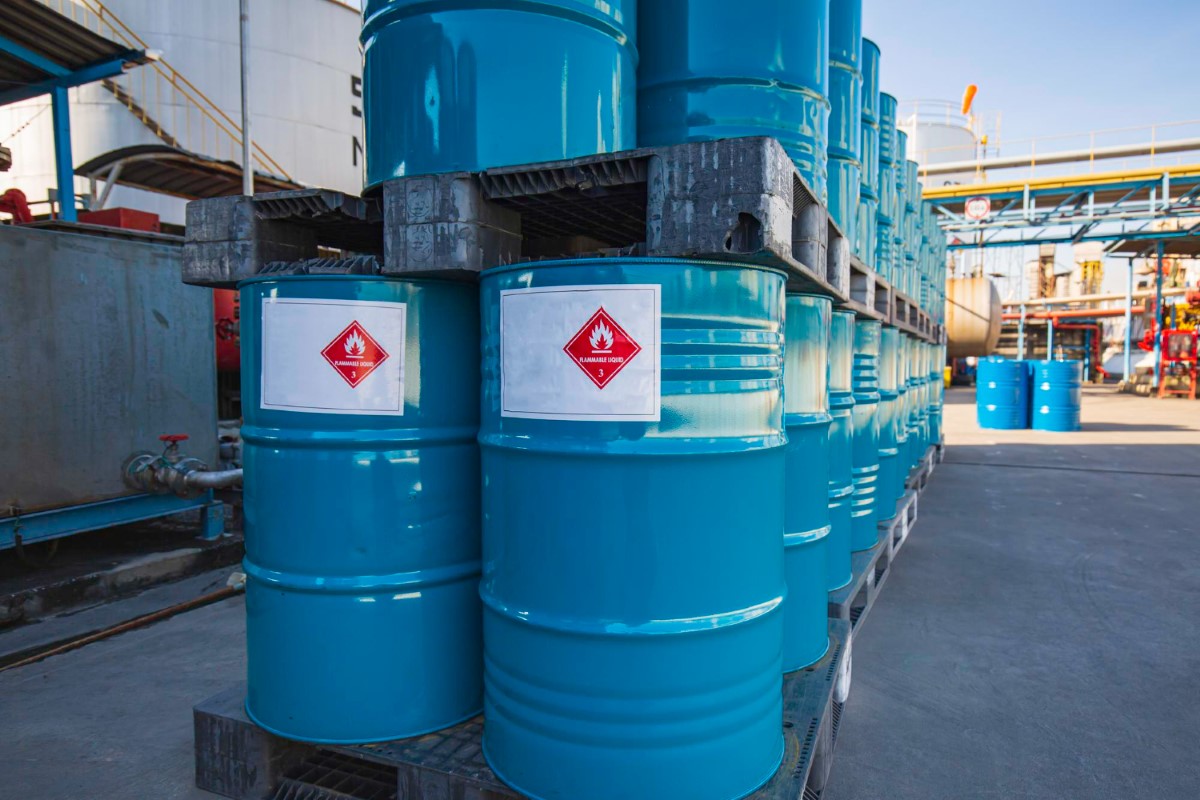
The organized storage of flammable liquids in industrial drums reduces exposure to ignition sources and supports effective risk control, fire prevention, and regulatory compliance under NR-20.
Who must attend the Specific Course for Work with Flammable and Combustible Materials?
This course is intended for workers, supervisors, and professionals who perform activities involving flammable and combustible materials, whether in storage, handling, transfer, or operational control. Therefore, anyone exposed to these substances as part of their job functions must understand the associated risks and the preventive measures required to control them.
In addition, the course is relevant for professionals involved in planning, supervision, and risk management, as it provides a solid theoretical foundation aligned with NR-20. As a result, it supports informed decision-making and strengthens compliance with legal and safety requirements.
When is this training required for workers exposed to flammable and combustible materials?
This training is required whenever a worker is assigned to activities that involve direct or indirect exposure to flammable and combustible substances. In practice, this includes onboarding, role changes, process modifications, or whenever risk scenarios are altered.
To clarify the main situations, see the table below:
| Situation | Training Requirement |
|---|---|
| New employee assigned to flammable-related activities | Mandatory before starting work |
| Change in task or process involving flammables | Mandatory prior to the new activity |
| Modification of materials or operating conditions | Mandatory update of training |
| Regulatory or procedural review | Mandatory refresher as applicable |
NR20 Specific Course English: Risk awareness is a core requirement for safe work with flammable materials
This principle reinforces that understanding hazards, exposure scenarios, and potential consequences is essential to prevent accidents. Without risk awareness, technical controls lose effectiveness and unsafe decisions become more likely.
Key aspects include:
Recognition of hazardous scenarios
Understanding ignition sources
Awareness of vapor behavior
Anticipation of accident consequences
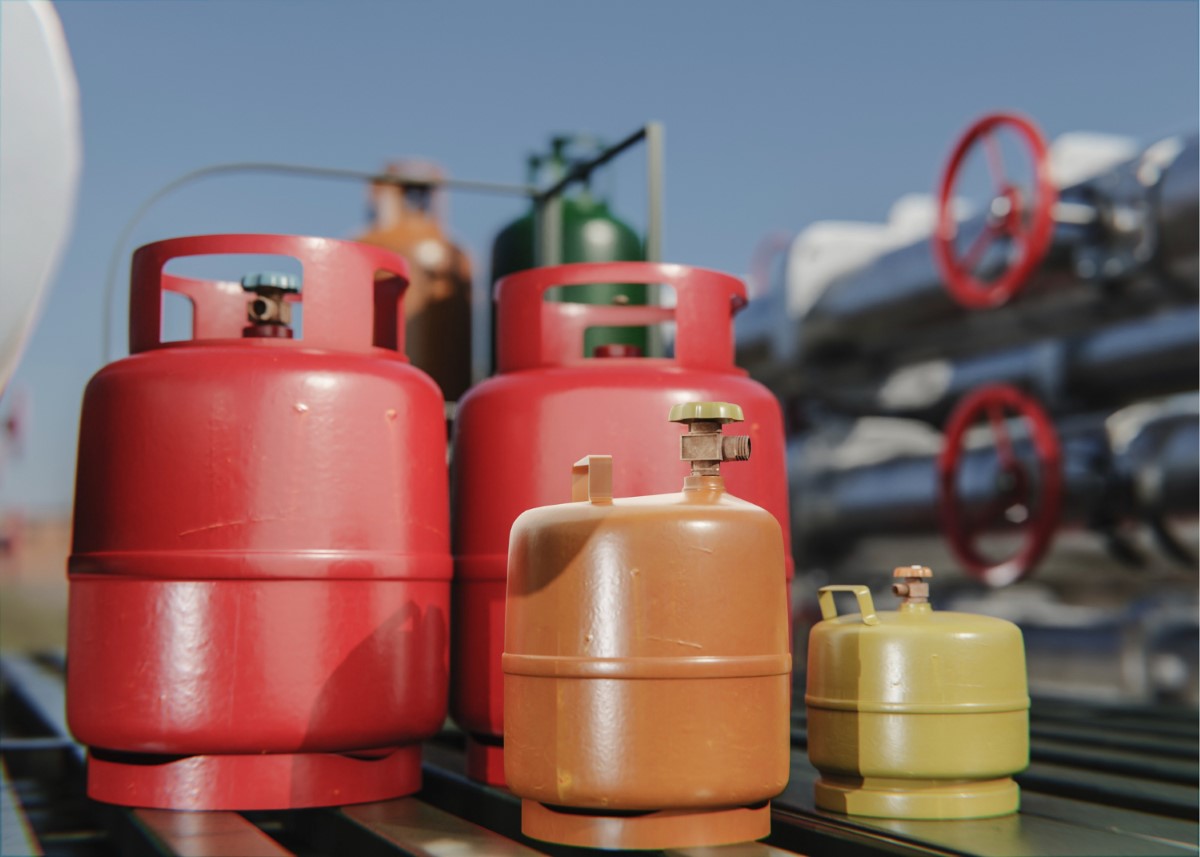
Proper identification, storage, and handling of flammable gas cylinders are critical to prevent leaks, ignition, and explosion risks, in full alignment with NR-20 safety principles.
Why is NR-20 critical for activities involving flammable and combustible materials?
NR-20 establishes the legal and technical framework for controlling risks associated with flammable and combustible substances. Therefore, it defines minimum safety requirements, responsibilities, and preventive measures that must be adopted to protect workers, facilities, and the environment.
Moreover, NR-20 integrates risk management concepts with operational safety, ensuring that hazards are identified, evaluated, and controlled systematically. Consequently, compliance with this regulation reduces accident probability and strengthens organizational safety culture.
Where do the main risks related to flammable and combustible materials usually arise?
Risks typically arise in areas where flammable substances are stored, handled, transferred, or processed. These locations often combine vapor release, ignition sources, and human interaction, increasing the likelihood of incidents.
The table below summarizes common risk locations:
| Area | Typical Risk Factors |
|---|---|
| Storage areas | Vapor accumulation, leaks, inadequate ventilation |
| Transfer and loading zones | Spills, static electricity, ignition sources |
| Maintenance areas | Hot work, inadequate isolation, procedural failures |
| Confined or enclosed spaces | Vapor concentration and explosion potential |
NR20 Specific Course English: Safe behavior directly influences accident prevention
Human behavior plays a decisive role in controlling or amplifying risk. Even with technical safeguards in place, unsafe actions, complacency, or routine-driven behavior can lead to serious incidents.
Key behavioral factors include:
Risk perception
Habitual exposure to hazards
Overconfidence due to routine
Compliance with procedures
Which benefits does theoretical training provide for professionals working with flammable materials?
Theoretical training provides professionals with a structured understanding of hazards, risk scenarios, and preventive strategies related to flammable and combustible materials. As a result, workers become capable of identifying unsafe conditions and understanding the rationale behind safety procedures.
Furthermore, this knowledge strengthens compliance with NR-20, supporting safer operational planning and more effective communication during critical situations. Ultimately, it contributes to accident prevention and the protection of lives, assets, and operations.
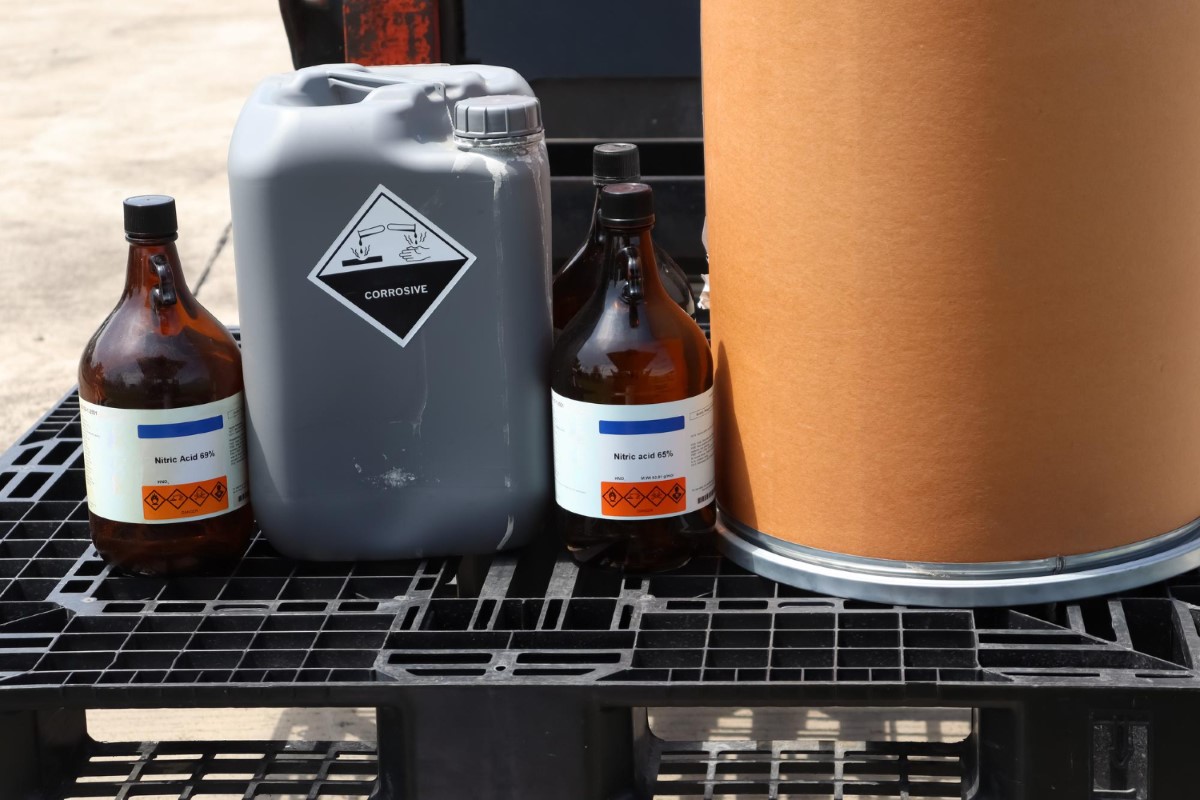
Chemical containers must be correctly labeled, segregated, and positioned to avoid incompatible interactions, ensuring controlled risk management and safe handling of hazardous substances.
What is the important of the NR20 Specific Course English?
The importance of this course lies in preparing professionals to recognize, understand, and control the risks associated with flammable and combustible materials before incidents occur. By developing technical awareness and risk perception, the course reduces unsafe behaviors, minimizes operational errors, and strengthens preventive decision-making. Consequently, workers become better equipped to act safely in environments where a single failure can lead to fires, explosions, and severe consequences.
In addition, the course ensures compliance with NR-20, which establishes mandatory requirements for managing these hazards. Through theoretical alignment with this regulation, organizations improve legal compliance, enhance safety culture, and protect people, facilities, and the environment in a structured and responsible manner.
Click the Link: Criteria for Issuing Certificates in accordance with the Standards
Certificate of Completion
NR20 Specific Course English
SPECIFIC COURSE FOR WORK WITH FLAMMABLE AND COMBUSTIBLE MATERIALS IN ENGLISH
Course Load: 16 Hours
MODULE 1 – Regulatory Framework and Scope of NR-20 (2 Hours)
Interpretation, objectives, and legal applicability of NR-20
Responsibilities of employers and workers
Classification of activities and installations involving flammable and combustible materials
Integration of NR-20 with NR-01 and risk management principles
MODULE 2 – Fundamentals: Flammable vs. Combustible Materials (2 Hours)
Conceptual difference between flammable and combustible substances
Flash point, ignition temperature, and vapor pressure
Physical and chemical properties of flammable materials
Physical and chemical properties of combustible materials
Behavior of vapors, gases, and liquids under operational conditions
MODULE 3 – Risk Identification and Operational Hazards (2 Hours)
Risks arising from activities involving flammable and combustible materials
Typical hazardous scenarios in storage, handling, and transfer operations
Loss of containment and ignition sources
Human, environmental, and asset-related consequences
Accident typologies and historical reference cases
MODULE 4 – Risk Analysis Methodologies (2 Hours)
Concept of risk, hazard, and exposure
Qualitative and semi-quantitative risk analysis approaches
Introduction to risk analysis methodologies applied to NR-20
Conceptual overview of Cause Tree and Fault Tree
Understanding accident causation logic
MODULE 5 – Work Procedures and Preventive Measures (2 Hours)
Operational procedures aimed at risk mitigation
Hierarchy of controls applied to flammable and combustible risks
Preventive technical, administrative, and organizational measures
Permit to Work (PT – Permit to Work): concept, objectives, and structure
Importance of procedural compliance and task discipline
MODULE 6 – Accident Analysis and Prevention (2 Hours)
Possible accidents involving flammable and combustible materials
Analysis of direct and root causes
Introduction to Cause Tree methodology
Introduction to Fault Tree methodology
Preventive strategies based on accident learning
MODULE 7 – Emergency Planning and Response Concepts (2 Hours)
Emergency scenarios involving flammable materials
Principles of emergency planning
Response procedures in emergency situations
Communication agility and coordination principles
Composition and roles of emergency response teams
MODULE 8 – Human Factors and Risk Perception (2 Hours)
Risk perception and factors that influence human behavior
Behavioral impact on safety performance
Fear factor and its influence on decision-making
Risk habituation and loss of critical awareness
Importance of task knowledge and situational understanding
Relationship between competence, perception, and accident prevention
Completion and Certification:
Practical Exercises (when contracted);
Evidence Records;
Theoretical Evaluation;
Practical Evaluation (when contracted);
Certificate of Participation.
NOTE:
We emphasize that the General Normative Program Content of the Course or Training may be modified, updated, supplemented, or have items excluded as deemed necessary by our Multidisciplinary Team. Our Multidisciplinary Team is authorized to update, adapt, modify, and/or exclude items, as well as insert or remove Standards, Laws, Decrees, or technical parameters they consider applicable, whether related or not. The Contracting Party is responsible for ensuring compliance with the relevant legislation.
NR20 Specific Course English