Technical Name: NR 05 DESIGNATED TRAINING COURSE – INTERNAL COMMISSION FOR ACCIDENT AND HARASSMENT PREVENTION – CIPA TAUGHT IN ENGLISH
Reference: 171186
We provide Courses and Training; We perform Technical Language Translations and Versions: Portuguese, English, Spanish, French, Italian, Mandarin, German, Russian, Swedish, Dutch, Hindi, Japanese and others upon request.
CIPA NR 05 Course in English
The objective of the CIPA Course in English is to train CIPA members to work in accident prevention and workplace health promotion, with a focus on bilingual or multinational environments. The course is delivered in functional technical English, ensuring full understanding of responsibilities and strengthening communication and preventive effectiveness in global contexts.
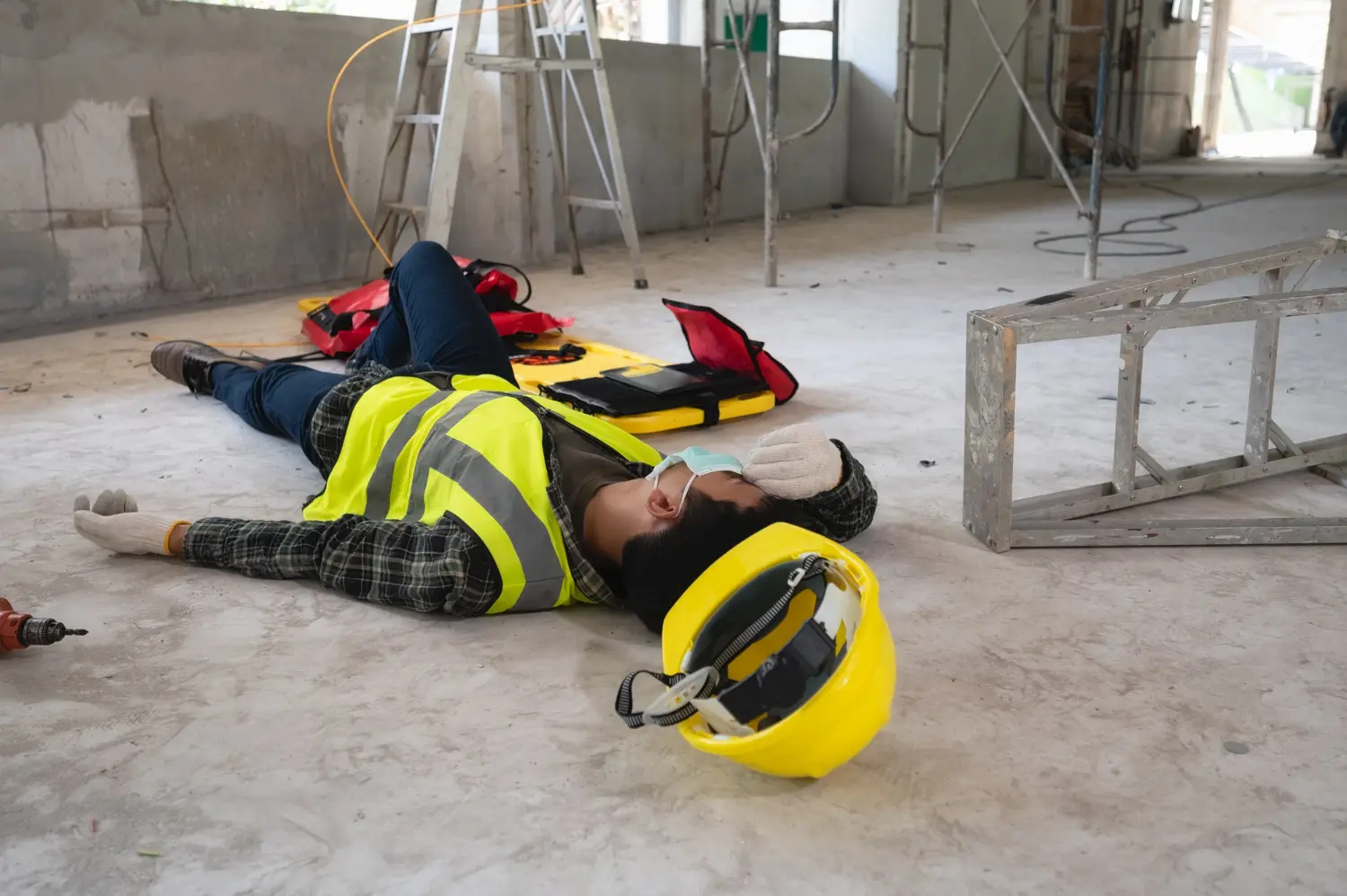
Accident caused by falling from height due to lack of anchorage and proper protection results in serious risk.
What characterizes the role of the CIPA in companies with international teams?
The CIPA, even in multilingual environments, maintains its main function: preventing workplace accidents and occupational diseases by adapting its communication strategies to the reality of the workforce. Therefore, in companies with foreign employees or operations in multiple languages, its effectiveness depends on training in a comprehensible language, which justifies technical training in English.
When does the implementation of the CIPA become mandatory?
The CIPA becomes mandatory when the company meets the criteria established by NR 05, based on the number of employees and the degree of risk. Determining the right moment requires a strategic assessment of the organizational structure, also considering remote operations, branches, and external units.
CIPA Course in English: Where should the CIPA focus its efforts more intensively?
The CIPA should concentrate its efforts on sectors or activities with a higher concentration of occupational risks. In bilingual or international operations, attention must be heightened in environments with language barriers, where misinterpretation of safety signs or instructions can amplify operational risks.
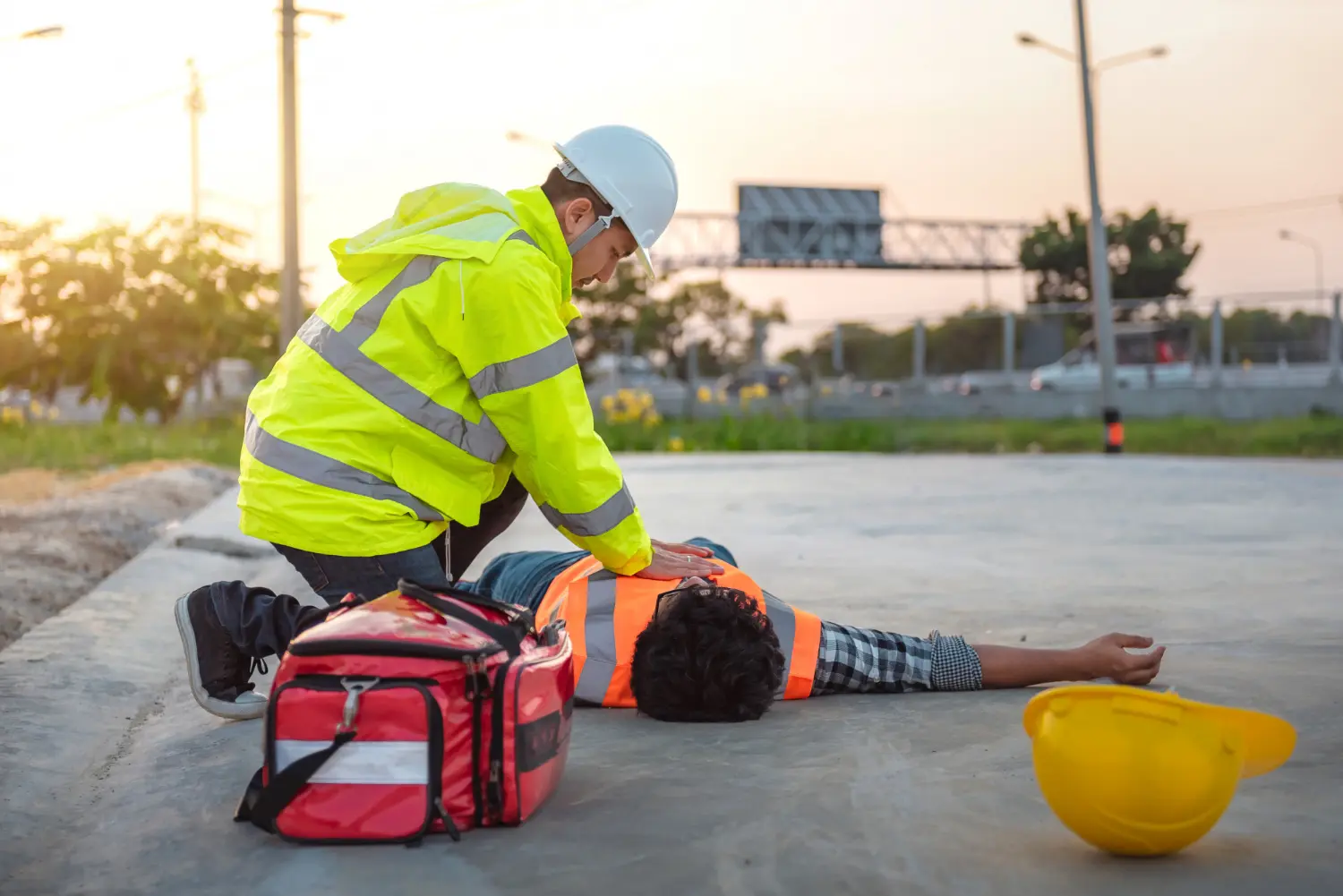
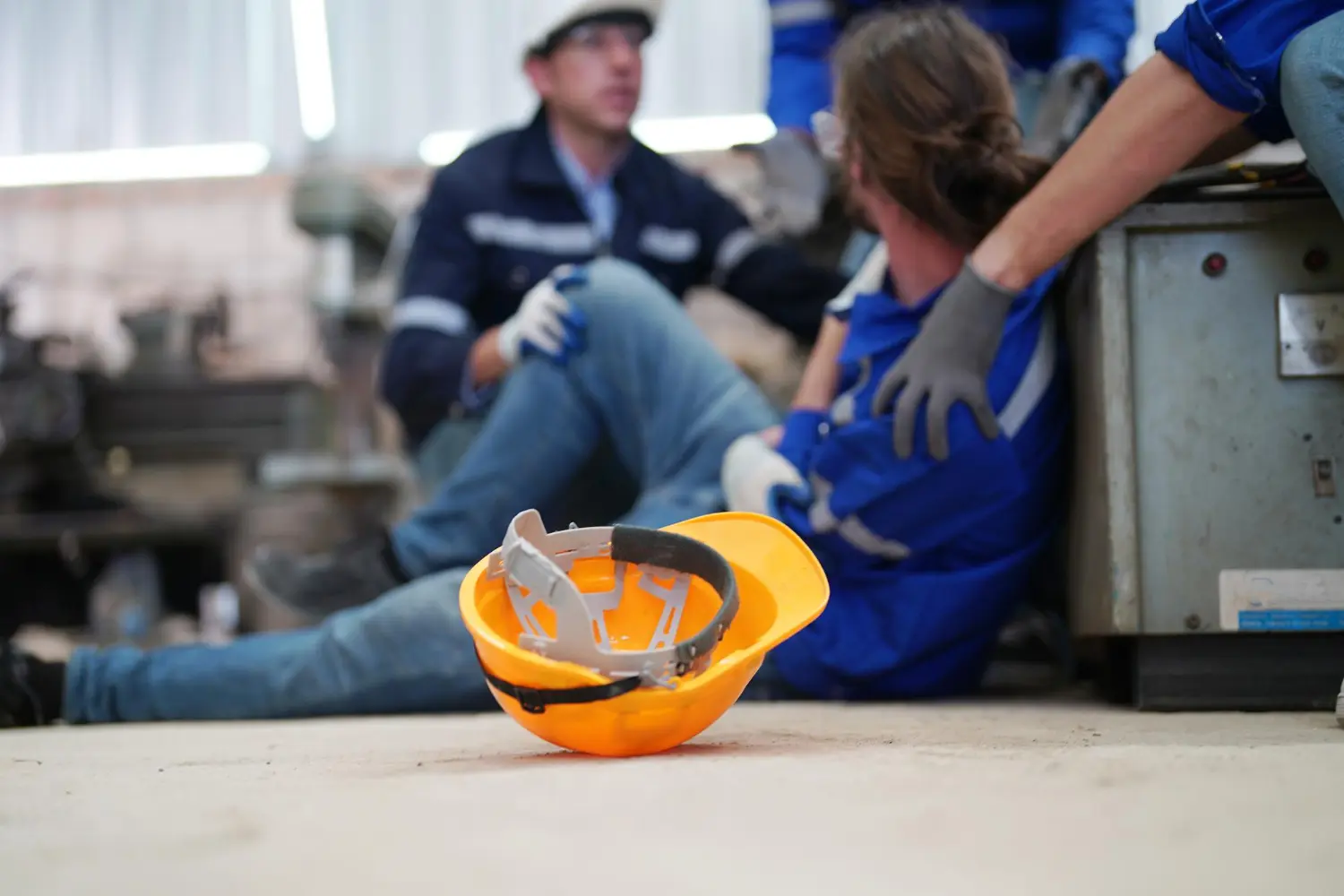
Emergency response saves lives. CIPA members trained in first aid can act quickly until rescue arrives, reducing long-term injuries and increasing survival chances in severe accidents.
How does CIPA training in English contribute to accident reduction?
By adopting technical and functional English in the training, the organization ensures that CIPA members clearly understand the standards, procedures, and responsibilities. This avoids communication failures, increases assertiveness in critical situations, and strengthens rapid decision-making in multicultural and technical environments.
Why should CIPA be valued in industrial environments with diverse teams?
Environments with multinational teams require standardized approaches and a universal language, and CIPA becomes the link between management, the shop floor, and the preventive culture. Valuing its presence means aligning safety with operational reality, reducing labor liabilities, and strengthening organizational resilience.
What is the purpose of CIPA in companies with high technical complexity?
In companies that operate with critical systems, such as platforms, factories, or laboratories, CIPA functions as a technical-behavioral monitoring tool, promoting a preventive culture. Its role ranges from visual inspections to root cause analysis, thus becoming part of the strategic safety intelligence.

Effective first aid and correct use of PPE minimize harm.
CIPA Course in English: What is the role of CIPA in the analysis of near misses?
CIPA must record, analyze, and transform near misses into effective prevention lessons. This approach, especially when documented in technical English, allows the sharing of best practices in audits, certification programs, and internationally regulated environments.
How does CIPA coordinate with SESMT in multinational companies?
The coordination between CIPA and SESMT should occur in cycles: joint risk diagnosis, action planning, monitoring of indicators, and strategic feedback. Thus, in multinational companies, this integration must be bilingual, with standardized forms, reports, and technical terminology.
Click the Link: Criteria for Issuing Certificates according to the Standards
Professional Free Training Basic Notions (Does not replace Academic Education or Technical Training)
Certificate of completion
CIPA NR 05 Course in English
COURSE NR 05 TRAINING – DESIGNATED INTERNAL COMMISSION FOR ACCIDENT AND HARASSMENT PREVENTION – CIPA TAUGHT IN ENGLISH
Workload: 20 Hours
Module 1 – Introduction to CIPA and OHS Concepts (3 HOURS)
Objectives and responsibilities of CIPA
Importance of CIPA for accident prevention
Basic notions of Occupational Health and Safety (OHS)
Introduction to occupational hazards
Communication in multicultural and bilingual environments
Module 2 – Occupational Hazards and Environmental Conditions (4 HOURS)
Physical, chemical, biological, ergonomic and mechanical hazards
Risk mapping and observation of unsafe acts
Identification of unsafe conditions in the workplace
Practical exercise: simulation of risk identification on video
Module 3 – Basic First Aid and Fire Prevention (3 HOURS)
CIPA’s role in emergency situations
Principles of first aid
Introduction to the use of fire extinguishers and emergency exits
Communication with emergency teams in technical English
Simulated situations and rapid decision-making
Module 4 – Accident Investigation and Analysis (4 HOURS)
Concepts of incident, accident and near-miss
Stages of accident investigation: collection, analysis and prevention
Post-incident interview techniques (in functional English)
Case study and critical analysis of real events
Module 5 – CIPA Operation and Effective Performance (3 HOURS)
Composition and structure of CIPA
Electoral process: organization, voting and inauguration
Duties of elected members
Relationship between CIPA, SESMT and the employer
SIPAT planning in a multicultural environment
Module 6 – Closing and Final Evaluation (3 HOURS)
Practical assessment activity: risk identification in simulated layout
Guided discussion on applying CIPA in bilingual environments
Individual evaluation (oral and written – functional technical English)
Individual technical and behavioral feedback
Completion and Certification:
Practical Exercises (when contracted);
Record of Evidence;
Theoretical Evaluation;
Practical Evaluation (when contracted);
Certificate of Participation.
NOTE:
We emphasize that the General Normative Program Content of the Course or Training may be changed, updated, with items added or removed as necessary by our Multidisciplinary Team. Our Multidisciplinary Team is authorized to update, adjust, modify and/or remove items, as well as insert or remove Standards, Laws, Decrees or technical parameters they deem applicable, whether related or not, and the Contracting Party shall be responsible for complying with the relevant Legislation.
CIPA NR 05 Course in English