
Technical Name: ADVANCED COURSE I FOR WORK WITH FLAMMABLES AND COMBUSTIBLES – NR 20 IN ENGLISH
Reference: 60979
We provide courses and training; We perform Translations and Versions in Technical Language: Portuguese, English, Spanish, French, Italian, Mandarin, German, Russian, Swedish, Dutch, Hindi, Japanese and others consult.
NR20 Advanced Course English
The NR20 Advanced Course English aims to develop advanced competence to identify risks, interpret the behavior of flammable substances, and apply operational controls with precision. As the participant progresses, they understand how physicochemical properties directly influence the formation of hazardous atmospheres and learn to recognize early signs that may precede fires or explosions. This set of knowledge strengthens decision-making abilities in critical environments and expands risk perception in complex industrial scenarios.
In addition, the training reinforces the disciplined application of the requirements established by NR 20. As a result, the professional performs activities with greater technical rigor, employing prevention methods, ignition control, emergency management, and strategic risk analysis. The outcome is a safer, more stable operation aligned with the regulatory parameters governing work involving flammables.
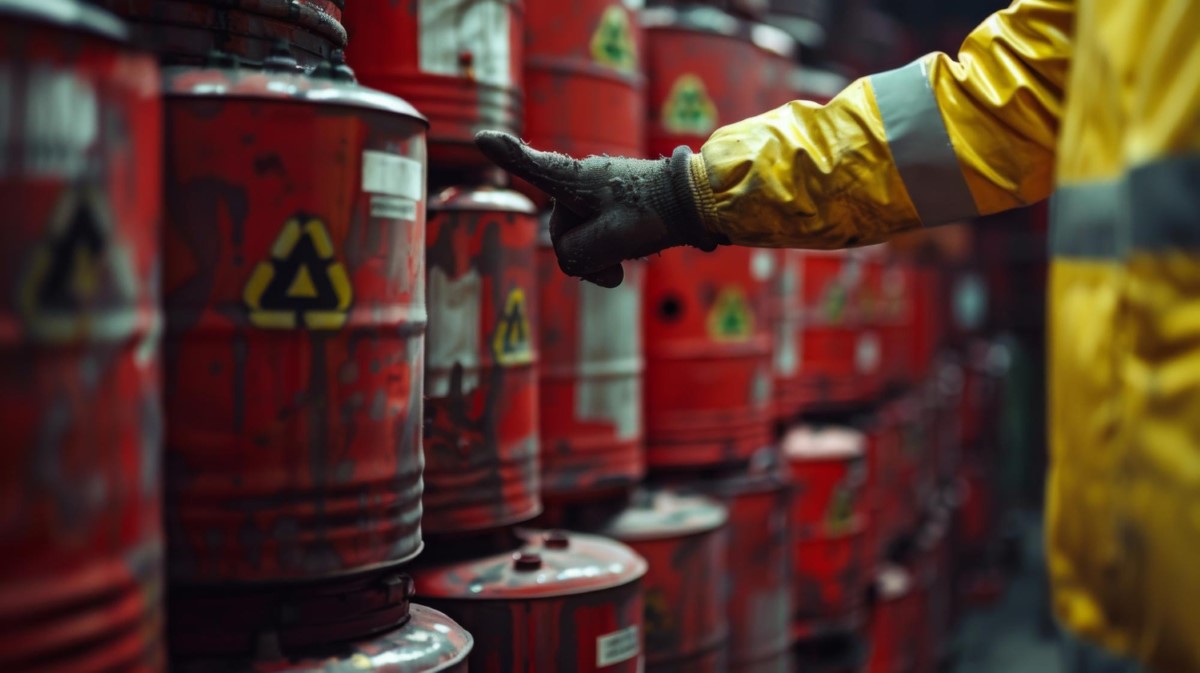
Constant inspection of containers prevents leaks, vapor accumulation and unsafe conditions in flammable-handling environments.
Who is responsible for ensuring full compliance when handling flammables under NR 20?
Responsibility begins with the organization, which must establish structured controls, maintain compliant installations and ensure that every worker receives training aligned with the level of operational risk. As activities unfold, leadership must continuously verify conditions, adjust procedures and maintain documentation consistent with NR 20 requirements. This disciplined approach strengthens predictability and reduces exposure to ignition events.
At the same time, the worker holds direct responsibility by applying preventive methods, validating equipment integrity and interpreting environmental signals before initiating any task. When organizational structure and individual discipline converge, the safety system operates cohesively and becomes resilient enough to prevent failures typically associated with human or procedural deviations.
When must preventive measures be strengthened in environments involving flammables?
Preventive measures must intensify whenever operational variables begin shifting toward unsafe conditions, since even minor atmospheric or thermal changes can alter vapor concentration, ignition probability and overall system stability, making proactive reinforcement essential for NR 20 compliance.
| Condition | Preventive Requirement |
|---|---|
| Presence of vapor accumulation | Increase ventilation and monitoring |
| Temperature approaching flash point | Reduce operation speed and isolate ignition sources |
| Equipment with static charge potential | Apply grounding and equipotential bonding |
| Confined areas with poor circulation | Implement continuous atmospheric testing |
NR20 Advanced Course English: Qualitative risk perception must remain active throughout operations
For this statement to operate as a practical safety guideline, the workforce must actively observe environmental cues, interpret subtle changes in operational behavior and respond promptly to any deviation that threatens stability during flammable-handling activities.
Continuous qualification
Environmental signal awareness
Operational deviation identification
Immediate correction of anomalies
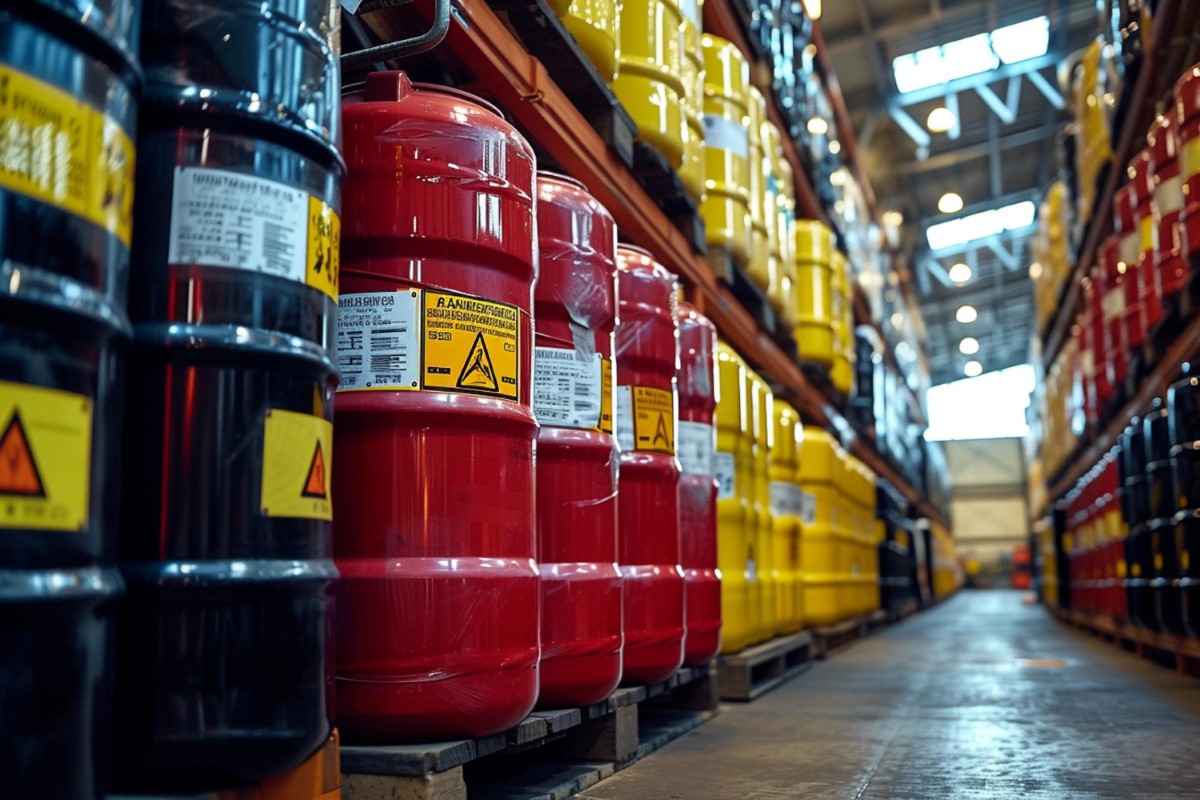
Proper identification and controlled storage of flammables reduce ignition risk and ensure NR 20 compliance.
Why is ignition source control essential in facilities working with flammable liquids and gases?
Ignition sources represent the final triggering element in most incidents involving flammables. Even when the atmosphere appears temporarily stable, small deviations can generate sparks, hot surfaces or electrostatic discharges capable of initiating rapid combustion. By understanding this dynamic, the worker evaluates each phase of the process with greater precision and situational awareness.
Furthermore, effective ignition control enables the facility to operate with higher safety margins, reducing the probability of explosion even under partial failure conditions. This strategic approach reinforces compliance with NR 20 and ensures that operations remain stable, predictable and technically sound.
Where should emergency planning focus to ensure effective response to flammable incidents?
Emergency planning becomes genuinely effective when it anticipates the evolution of incident scenarios, integrates physical and operational constraints, and transforms risk recognition into structured tactical actions that support rapid decision-making during flammable-related emergencies.
| Focus Area | Operational Need |
|---|---|
| Evacuation routes | Defined paths and obstruction control |
| Fire suppression systems | Readiness, accessibility and correct agent selection |
| Communication flow | Rapid notification and coordinated response |
| Incident stabilization | Immediate containment and hazard reduction |
NR20 Advanced Course English: Effective control measures must align with the physical behavior of flammables
This assertion becomes operationally valid when the team understands how each physical property of a flammable substance influences control strategies, since variations in volatility, vapor pressure, temperature or compatibility can rapidly transform a stable environment into one with elevated ignition potential.
Flash point and volatility
Vapor pressure and ambient temperature
Flammability category
Compatibility with materials and equipment
What determines whether a flammable-handling operation can proceed safely under NR 20?
Safe progression depends on the combined assessment of atmospheric conditions, chemical behavior and operational stability. When these elements remain within acceptable thresholds, the activity advances with greater predictability and reduced probability of forming explosive atmospheres. Continuous monitoring ensures quick correction of deviations before they escalate into critical scenarios.
Additionally, an operation may only proceed when equipment, personnel and documentation fully satisfy NR 20 requirements. This triad reinforces risk control and keeps the process aligned with regulatory expectations, establishing effective barriers against incidents that typically originate from insufficient verification.
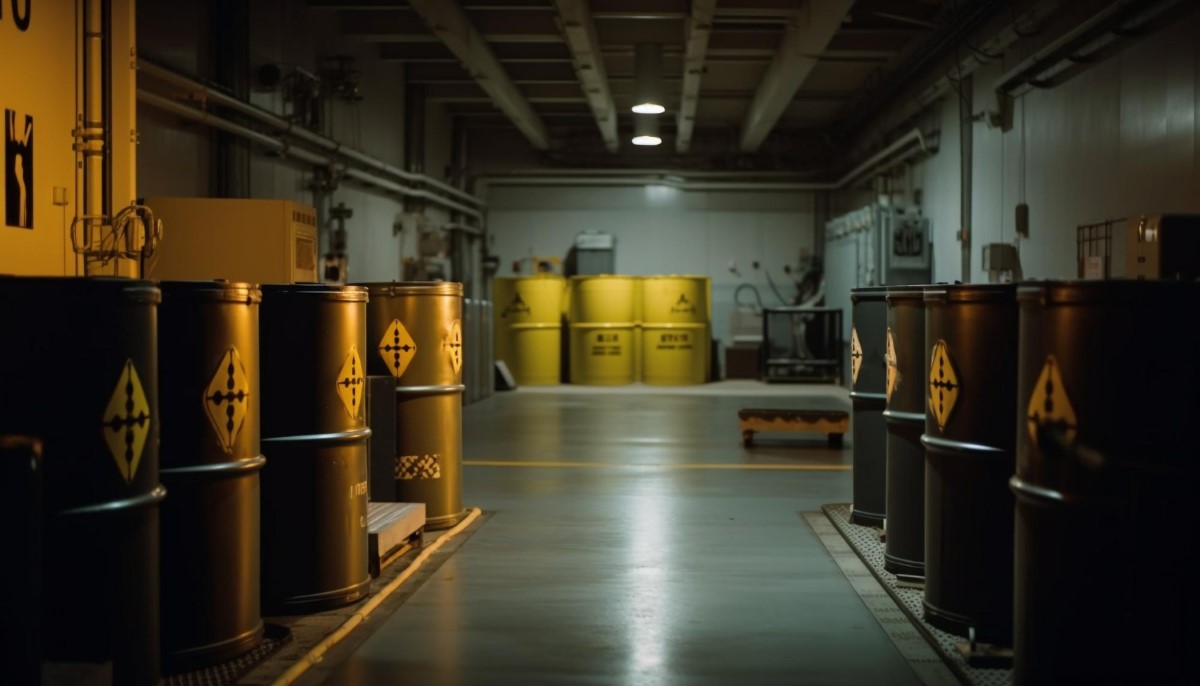
Segregation, labeling and environmental control form the core of safe operations involving flammable and combustible materials.
What is the important of NR20 Advanced Course English?
The NR20 Advanced Course English is important because it elevates the professional’s ability to understand how flammable substances behave and how small operational deviations can rapidly evolve into high-risk scenarios. By strengthening the participant’s capacity to recognize vapor formation, evaluate ignition potential and interpret atmospheric variations, the training creates a sharper and more proactive safety mindset. This awareness directly reduces the likelihood of incidents and enhances the stability of operations in environments where errors are rarely forgiving.
It also reinforces the application of the NR 20, ensuring that workers execute tasks with technical discipline and regulatory accuracy. As the participant internalizes the requirements of the norm, emergency responses become more coordinated, control measures more effective and operational decisions more consistent with the real risks involved. Ultimately, the course strengthens operational integrity and elevates the overall safety performance of the facility.
Click the Link: Criteria for Issuing Certificates in accordance with the Standards
Certificate of Completion
NR20 Advanced Course English
ADVANCED COURSE I FOR WORK WITH FLAMMABLES AND COMBUSTIBLES – NR 20 IN ENGLISH
Workload: 24 Hours
MODULE 1 – Fundamentals of Flammables and Combustibles (3 Hours)
Classification of flammable and combustible substances
Physical and chemical behavior relevant to Safety
Volatility, flash point, autoignition temperature and flammability limits
Thermodynamic influences on storage and handling
MODULE 2 – Regulatory Structure of NR 20 (3 Hours)
Scope, purpose and regulatory framework
Classes I, II and III: criteria and operational implications
Roles and responsibilities under NR 20
Documentation and compliance requirements
MODULE 3 – Hazards and Risk Mechanisms (3 Hours)
Primary hazards of flammable liquids and gases
Fire and explosion generation mechanisms
Behavior under confinement, heating and pressure
Environmental factors influencing ignition probability
MODULE 4 – Collective and Individual Protection Measures (2 Hours)
Engineering controls for safe operation
Ventilation and atmospheric monitoring
Isolation and containment strategies
Required PPE and CPC
MODULE 5 – Ignition Sources and Control Methods (2 Hours)
Main ignition sources in industrial settings
Static electricity, sparks, hot surfaces and chemical reactions
Control and minimization techniques
Interfaces with electrical safety principles
MODULE 6 – Fire Protection and Fire Dynamics (2 Hours)
Combustion behavior and fire development stages
Extinguishing principles for flammable products
Extinguishing agents and their applications
Interaction with passive and active fire protection systems
MODULE 7 – Emergency Preparedness for Flammable Events (3 Hours)
Emergency scenario characteristics involving flammables
Decision-making under critical conditions
Evacuation logic and incident stabilization
Internal and external emergency coordination
MODULE 8 – Risk Analysis Methodologies (2 Hours)
Qualitative and semi-quantitative methods
Introduction to Hazard Trees
Introduction to Failure Trees
Root cause identification
MODULE 9 – Work Permit for Flammable Operations (2 Hours)
Work Permit (PT) structure
Authorization, validation and operational prerequisites
Safety layers within NR 20
Documentation flow and operational traceability
MODULE 10 – Accident Dynamics, Preventive Strategies and Safety Infrastructure (2 Hours)
Accident patterns involving flammables and typical failure modes
Preventive engineering strategies and administrative controls
Overview of fire detection and suppression systems
Essential first aid principles for burns and inhalation exposure
Completion and Certification:
Practical Exercises (when contracted);
Evidence Records;
Theoretical Evaluation;
Practical Evaluation (when contracted);
Certificate of Participation.
NOTE:
We emphasize that the General Normative Program Content of the Course or Training may be modified, updated, supplemented, or have items excluded as deemed necessary by our Multidisciplinary Team. Our Multidisciplinary Team is authorized to update, adapt, modify, and/or exclude items, as well as insert or remove Standards, Laws, Decrees, or technical parameters they consider applicable, whether related or not. The Contracting Party is responsible for ensuring compliance with the relevant legislation.
NR20 Advanced Course English