Technical Name: TRAINING FOR WORK IN CLASSIFIED AREAS IN ENGLISH
Reference: 55739
We provide courses and training; We perform Translations and Versions in Technical Language: Portuguese, English, Spanish, French, Italian, Mandarin, German, Russian, Swedish, Dutch, Hindi, Japanese and others consult.
NR10 Classified Areas Training
The NR10 Classified Areas Training aims to train the participant to work safely in electrical installations located in classified areas, strengthening the ability to recognize risks, interpret zone classifications, and apply preventive methods before, during, and after any technical intervention. Through a direct and progressive approach, the training leads the professional to a practical understanding of ignition logic, the behavior of flammable substances, and the requirements for selecting, assembling, and inspecting certified equipment. This structured reasoning enables fast, safe decisions aligned with international best practices.
In addition, the training guides the participant to fully comply with the mandatory requirements of NR 10, integrating concepts from the ABNT NBR IEC 60079 series for work in explosive atmospheres. As a result, the worker learns to control energy sources, apply isolation procedures, use appropriate PPE, and perform actions with proper documentation compliance. This combination of technical mastery and regulatory rigor enhances individual protection, minimizes operational failures, and ensures legal compliance in any environment with potential for the formation of flammable atmospheres.
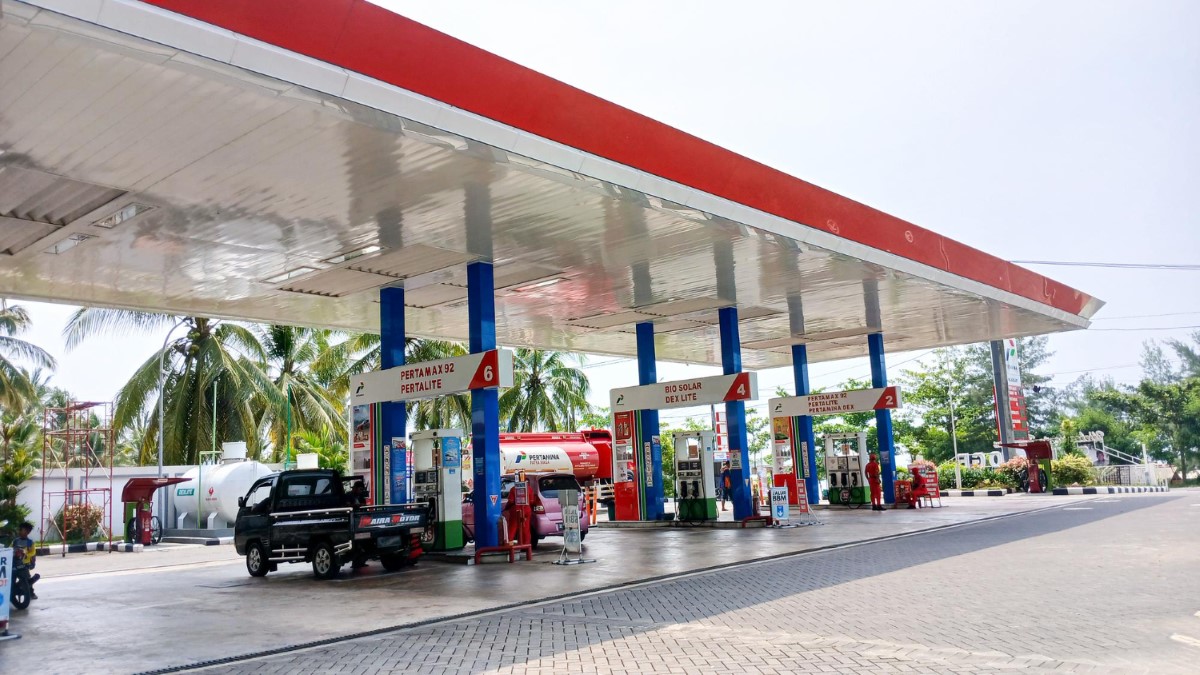
Typical classified area where fuel vapors can form explosive mixtures during daily operations.
NR10 Classified Areas Training: Electrical safety in classified areas is a shared responsibility
Responsibility for safety begins with the organization, which must establish clear procedures, maintain compliant installations and ensure that workers understand how to identify risks before entering a classified environment. This structured approach creates predictability and reduces the likelihood of operational errors.
At the same time, the worker carries direct responsibility during execution by applying preventive methods, validating environmental conditions and performing each task with technical discipline. When organizational control and individual behavior operate together, the protection system becomes continuous, stable and effective.
When must the refresher training for classified areas be conducted?
Refresher training becomes necessary whenever operational conditions evolve in a way that may affect risk perception or the correct application of safe work practices. Because classified areas demand precision and updated awareness, retraining ensures that the worker’s decisions remain aligned with current field conditions.
| Requirement | Description |
|---|---|
| Annual Periodicity | Refresher training must occur every year |
| Procedural Changes | Required when procedures or operations are modified |
| Significant Events | Initiated after incidents or unsafe deviations |
| Long Absence | Necessary when returning after extended leave |
| Organizational Changes | Applied when moving to a new company or equipment |
Which documentation is essential to authorize electrical work in classified areas?
Before authorizing any electrical task, documentation must be complete, current and consistent with the actual conditions of the classified environment. Proper verification ensures that preventive measures are active and that workers do not enter the area with uncontrolled variables.
Work permit
Risk assessment
Equipment certification
Operational procedures
Lockout and isolation records
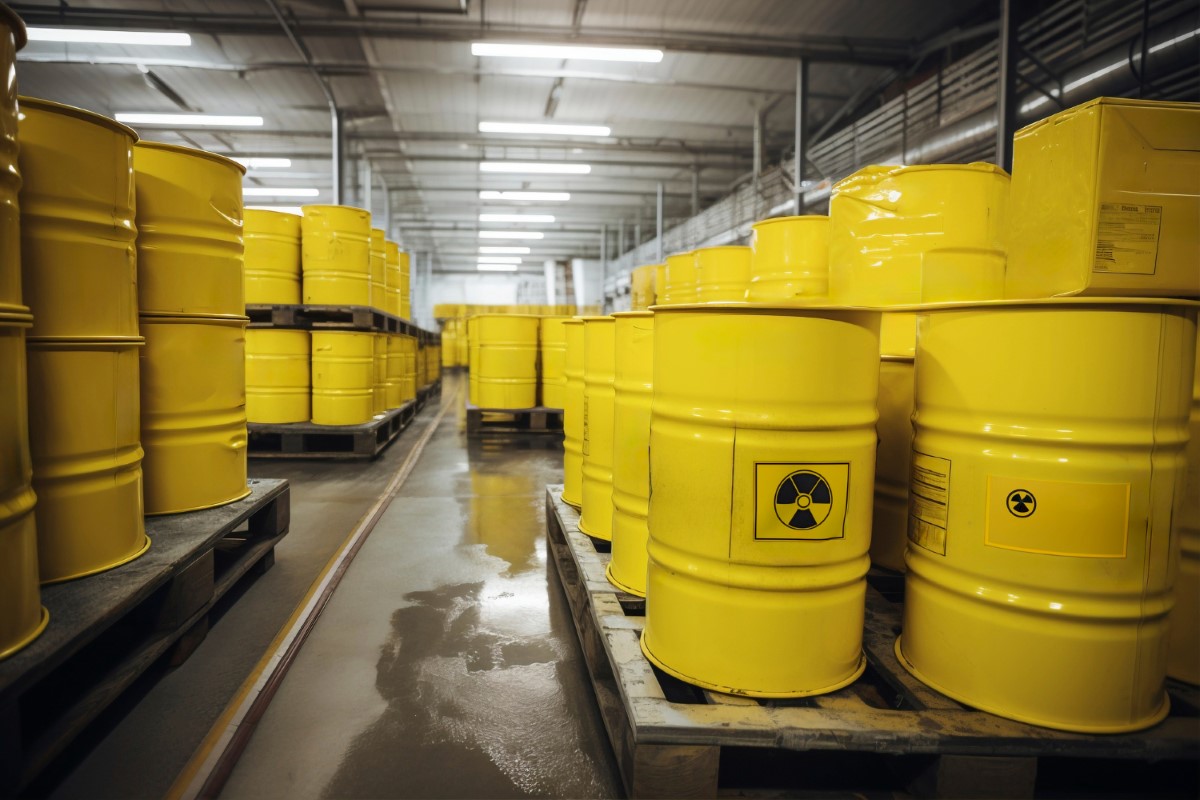
Confined storage environment requiring strict control of ignition sources and continuous monitoring.
Why must intrinsically safe circuits be prioritized in explosive atmospheres?
Intrinsically safe circuits are prioritized because they operate with energy levels intentionally limited below the threshold capable of causing ignition. This design logic significantly reduces the probability of accidental sparking and supports safe intervention even when unexpected failures occur.
These circuits also simplify inspection routines, improve maintenance visibility and reduce restrictions during field operations. By minimizing the available energy, the overall system becomes more stable, predictable and resistant to environmental fluctuations typical of classified areas.
Where must equipment certification be verified before installation in classified zones?
Certification must be verified wherever installation decisions depend on confirming the equipment’s compatibility with the characteristics of the classified environment. This verification step prevents mismatches that could introduce ignition sources during operation.
| Verification Point | Purpose |
|---|---|
| Equipment nameplate | Confirms protection concept and temperature limit |
| Technical datasheet | Validates compatibility with the specific risk group |
| Installation documentation | Ensures correct zone designation before energization |
| Inspection checklist | Confirms no deviation from certified configuration |
Why must classified area boundaries always remain visible?
Boundaries must remain visible because classification only protects workers when the limits of the hazardous zone are immediately recognizable. Without clear visual references, unauthorized access becomes more likely and ignition risks increase sharply.
Clear signage
Circulation control
Prevention of unintended activation
Identification of hazardous zones
Maintenance of safe distance
NR10 Classified Areas Training: A procedure in classified areas only proceeds when conditions prove unequivocally safe
A procedure can only proceed when the combined evaluation of environmental conditions, ignition probability and equipment behavior indicates that the activity can occur safely. If any factor exceeds the acceptable threshold, the work must be isolated, suspended or executed using reinforced preventive measures.
Additionally, technical authorization depends on the availability of validated documents such as risk assessments, equipment records and lockout instructions. These elements confirm whether the environment is stable enough for operation or whether the task must be postponed until conditions improve.

Accumulated organic dust that can ignite rapidly and generate powerful explosions when dispersed.
Whats is the importance of NR10 Classified Areas Training?
The NR10 Classified Areas Training is essential because it strengthens the worker’s ability to recognize hazards, control ignition sources and make safe decisions in environments where flammable substances can form explosive atmospheres. By understanding how classified areas behave and how electrical systems interact with these conditions, the participant develops the competence to prevent failures, interruptions and incidents that typically arise from improper procedures or lack of technical awareness. This training transforms theoretical risk perception into practical, measurable safety performance.
Its importance also lies in ensuring that all activities remain compliant with the requirements of the NR 10, which establishes strict criteria for qualification, safe work practices and operational discipline. When the professional applies these principles consistently, the organization reduces operational exposure, improves reliability of installations and strengthens its entire safety culture. In environments where a single spark can trigger severe consequences, mastering the foundations of NR 10 is not optional, it is indispensable.
Click the Link: Criteria for Issuing Certificates in accordance with the Standards
Certificate of Completion
NR 10 Training – Classified Areas in English
TRAINING FOR WORK IN CLASSIFIED AREAS IN ENGLISH
Workload: 16 Hours
Module 1 – Fundamentals of Explosive Atmospheres (2 Hours)
Definition and characteristics of explosive atmospheres
Flammability parameters and behavior of flammable substances
Basic concepts of ignition, combustion, explosion limits and atmospheric conditions
Typical accidents and historical lessons learned from hazardous installations
Consequences of non-compliance with safety procedures
Module 2 – Classification of Hazardous Locations (2 Hours)
Principles of hazardous area classification and international terminology
Gas zones, groups and subgroups: interpretation and application
Delimitation of classified areas according to frequency and duration of release
Identification criteria for hazardous substances in industrial environments
Risk areas: concept, boundaries and operational implications
Module 3 – Ignition Sources and Electrical Risks (2 Hours)
Types of ignition sources in explosive atmospheres
Electric emission sources and conductive pathways
Identification of electrical circuits in hazardous areas
Flammability of electrical and electronic equipment
Conditions that promote unintentional energization
Module 4 – Equipment for Explosive Atmospheres (2 Hours)
Equipment restrictions in explosive atmospheres
Intrinsically Safe (IS) instruments and their operational principles
Protection concepts for Ex equipment
Switching systems, controls, locking and blocking devices
Impeded equipment or circuit: meaning and compliance requirements
Module 5 – Preventive Measures and Control Strategies (2 Hours)
Preventive methods for avoiding ignition
Techniques for preventing the formation of explosive atmospheres
Hazard control measures and operational discipline
Access restrictions and impediments in classified environments
Signaling of circulation areas and operational boundaries
Module 6 – Operational Safety in Classified Areas (2 Hours)
Cargo handling procedures in hazardous locations
Signaling to prevent energization and unauthorized activation
Safe movement and pathway identification in classified environments
Administrative controls and human-factor considerations
Coordination with maintenance and inspection teams
Module 7 – PPE and Personal Protection Requirements (2 Hours)
Types of PPE required for explosive atmospheres
Selection criteria based on hazard level and zone classification
PPE limitations regarding static electricity, material compatibility and flammability
Responsibilities of workers and supervisors in PPE usage
Consequences of incorrect protection and misuse
Module 8 – Emergency Response and Accident Management (2 Hours)
Procedures in the event of accidents involving explosive atmospheres
Immediate control measures and containment strategies
Isolation and evacuation protocols
Communication flow and reporting structure
Post-incident analysis and corrective measures
Completion and Certification:
Practical Exercises (when contracted);
Evidence Records;
Theoretical Evaluation;
Practical Evaluation (when contracted);
Certificate of Participation.
NOTE:
We emphasize that the General Normative Program Content of the Course or Training may be modified, updated, supplemented, or have items excluded as deemed necessary by our Multidisciplinary Team. Our Multidisciplinary Team is authorized to update, adapt, modify, and/or exclude items, as well as insert or remove Standards, Laws, Decrees, or technical parameters they consider applicable, whether related or not. The Contracting Party is responsible for ensuring compliance with the relevant legislation.
NR 10 Training – Classified Areas in English