

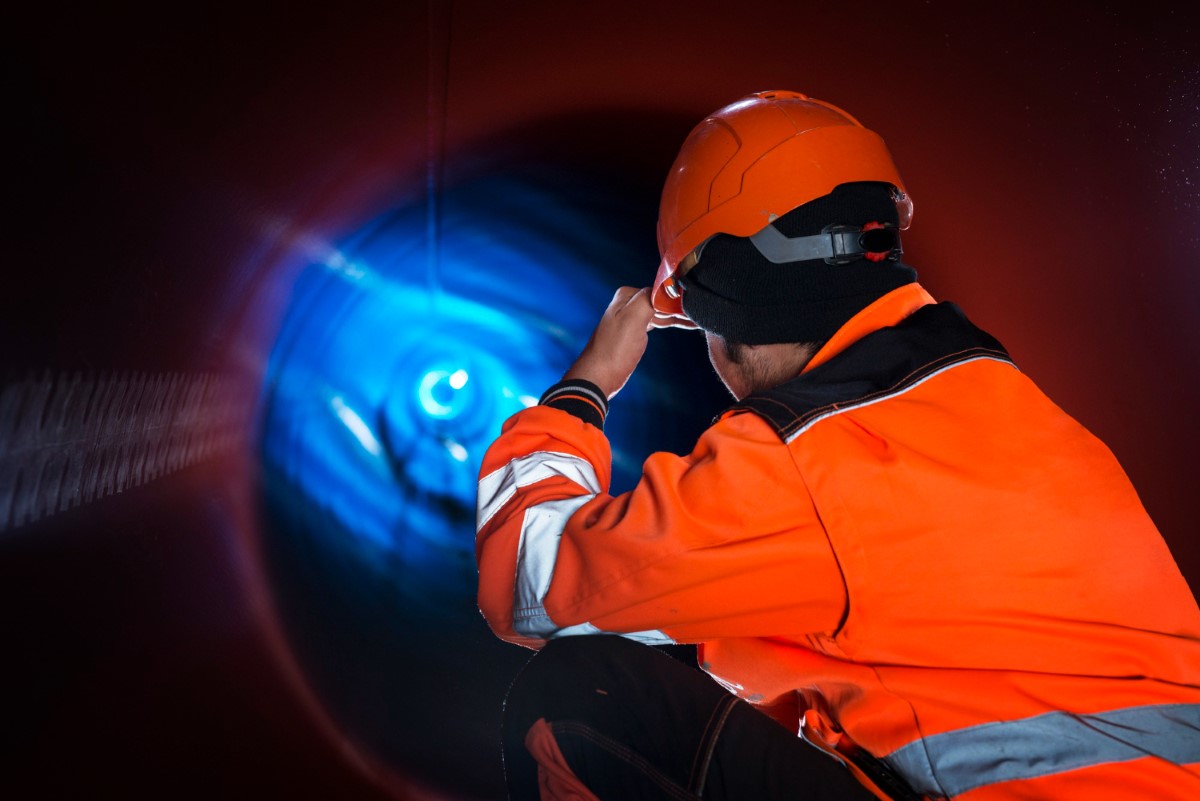
Course NR 33 Authorized and Watchman in English Course NR 33 Authorized and Watchman in English
F: FPK

Course NR 33 Authorized and Watchman in English

Course NR 33 Authorized and Watchman in English

Technical Name: NR 33 TRAINING COURSE – OCCUPATIONAL SAFETY AND HEALTH IN CONFINED SPACES – AUTHORIZED WORKER AND WATCHMAN LEVEL – TAUGHT IN ENGLISH

Reference: 10755

We provide Courses and Training; we perform Technical Language Translations and Interpretations: Portuguese, English, Spanish, Mandarin, German, Hindi, Japanese, Arabic and others.

NR33 Authorized Attendant Course

The NR33 Authorized Attendant Course aims to develop the participant’s ability to recognize, assess and control risks present in confined spaces. Based on the guidelines of NR 33, the student begins to understand how the atmosphere, equipment, procedures and communication influence operational safety. Thus, the content enables each professional to act with decisiveness, technical clarity and mastery of the preventive practices required by legislation.

In addition, the course seeks to strengthen the performance of the authorized worker and the watchman through risk analysis techniques, interpretation of the Entry and Work Permit and management of environmental conditions. By directly applying the requirements of NR 33, the training ensures that the participant responds quickly to critical situations, maintains team integrity and preserves regulatory compliance throughout all phases of the operation.
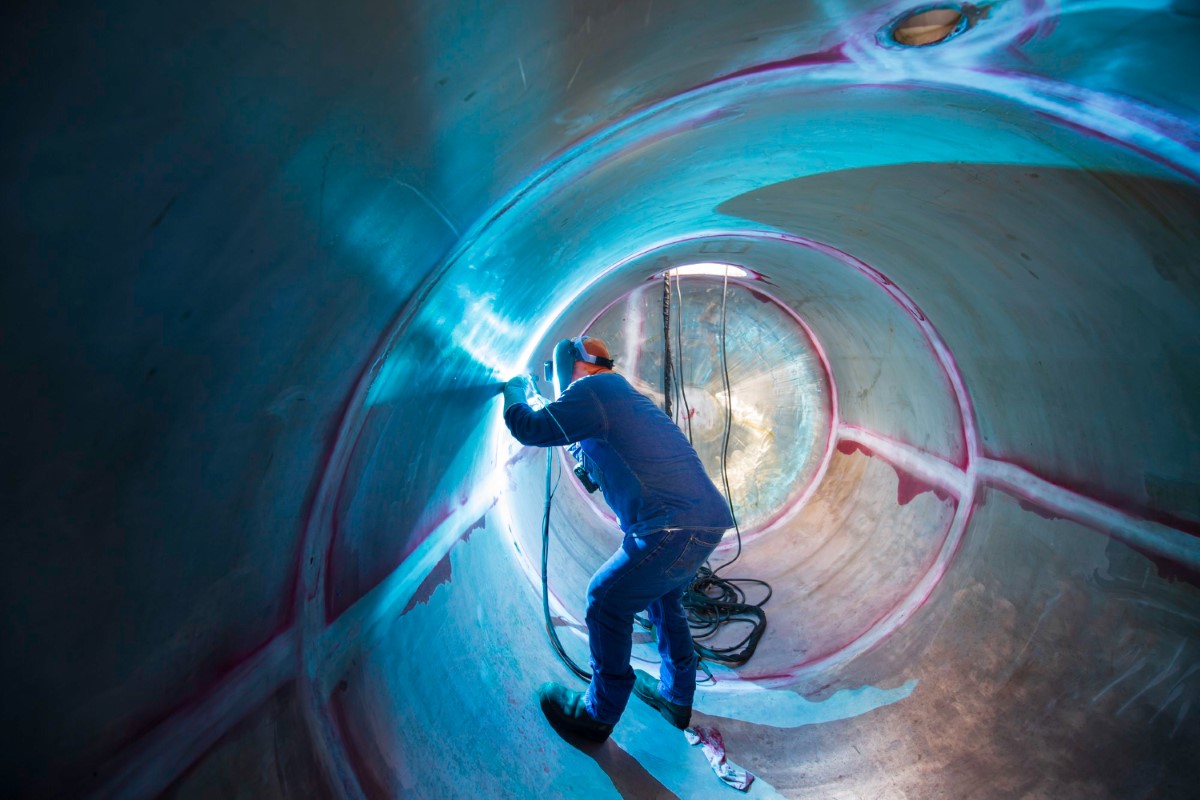
Worker posture, equipment handling and tethering systems directly influence safety during confined space activities.

Who is responsible for authorizing entry into a confined space according to NR 33?

Understanding who authorizes entry is essential because NR 33 assigns precise responsibilities that guarantee safe decision-making. The authorization process requires verification of environmental conditions, procedural controls and the accuracy of the Entry and Work Permit. This alignment avoids ambiguity and reinforces operational reliability.

Additionally, the supervisor validates the permit, the authorized worker confirms readiness and the watchman maintains continuous external monitoring. Because each role supports the others, entry is authorized only when all professionals confirm full compliance. This shared responsibility strengthens safety throughout the entire operation.

When should atmospheric monitoring be performed during confined space operations?

Atmospheric monitoring must follow strict timing requirements because conditions inside a confined space can shift rapidly. NR 33 emphasizes that monitoring must occur at key moments to detect instability, protect the team and maintain full control of the environment. By understanding these moments, workers respond proactively and avoid exposure to hazardous atmospheres.

Atmospheric Monitoring Schedule

Moment of Monitoring Purpose
Before entry Verify oxygen levels and confirm absence of toxic gases
During all operational activities Identify atmospheric variations caused by tools or tasks
After any interruption Reassess stability before re-entry
Before closing the activity Ensure the environment has returned to safe parameters

NR33 Authorized Attendant Course: Entry Permit must always reflect real conditions

To understand this statement, it is necessary to recognize that the Entry and Work Permit is only valid when it describes the real risks, controls and environmental conditions. NR 33 demands accuracy because any mismatch can compromise safety.

Real conditions documented
Updated information maintained
Environmental changes recorded
Risk controls validated
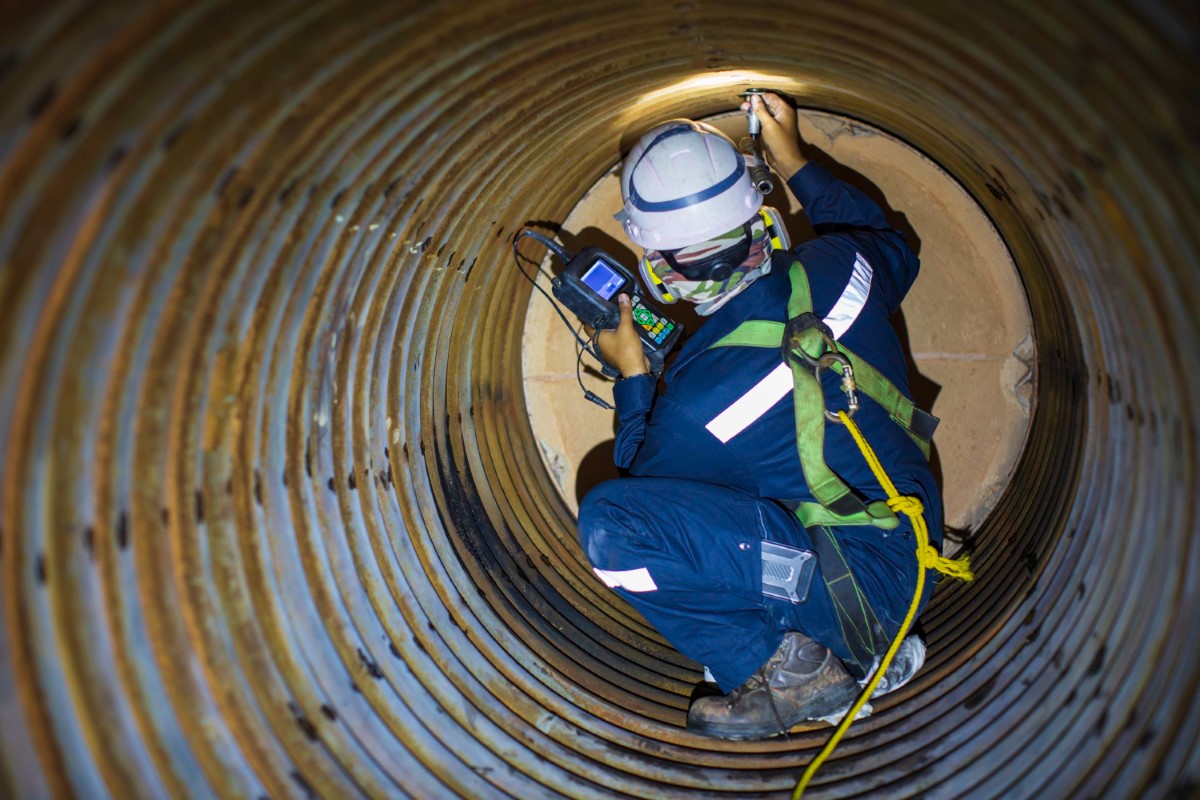
Atmospheric monitoring and structural evaluation ensure that the internal environment remains stable throughout the operation.

Why does NR 33 require continuous communication between the authorized worker, watchman and rescue team?

Continuous communication is vital because confined spaces present dynamic risks that can escalate quickly. The watchman provides real-time updates, identifies early warning signs and alerts the authorized worker immediately. This constant information flow reduces reaction time and supports preventive decision-making.

In addition, the rescue team depends on timely communication to prepare equipment, define routes and intervene precisely when necessary. NR 33 treats communication as a life-support element rather than a mere operational detail. When the flow remains uninterrupted, the entire system operates with higher stability and control.

Where should safety equipment inspection records be maintained according to NR 33?

Inspection records must remain accessible because they demonstrate traceability, compliance and equipment reliability. NR 33 requires that documents be stored in locations where supervisors, auditors and workers can easily verify equipment conditions before operations begin. Proper organization also supports legal defense and consistent operational standards.

Inspection Record Locations

Record Location Purpose
Centralized safety documentation Ensures organized retrieval and full traceability
On-site operational files Provides quick consultation during field activities
Digital backup repository Prevents data loss and guarantees long-term storage
Supervisor’s controlled documentation Confirms oversight and procedural validation

NR33 Authorized Attendant Course: Rescue plan must be defined before any entry

To clarify this statement, we must consider that no worker may enter a confined space without a structured and validated rescue plan. NR 33 requires full preparation because inadequate rescue procedures are the leading cause of fatal incidents.

Rescue routes defined
Roles assigned
Equipment inspected
Communication procedures established

What qualifies a worker to act as a watchman during confined space operations?

A worker qualifies as a watchman when they can monitor the confined space continuously and apply NR 33 procedures with precision. Training, situational awareness and strong communication skills are essential. The watchman interprets environmental signals, observes worker behavior and reacts instantly to any irregularity.

Moreover, the watchman must understand the Entry and Work Permit, identify early hazard development and initiate emergency protocols without hesitation. The watchman does not assist internal tasks; instead, they protect the entire operation. Therefore, qualification requires both technical competence and disciplined focus.
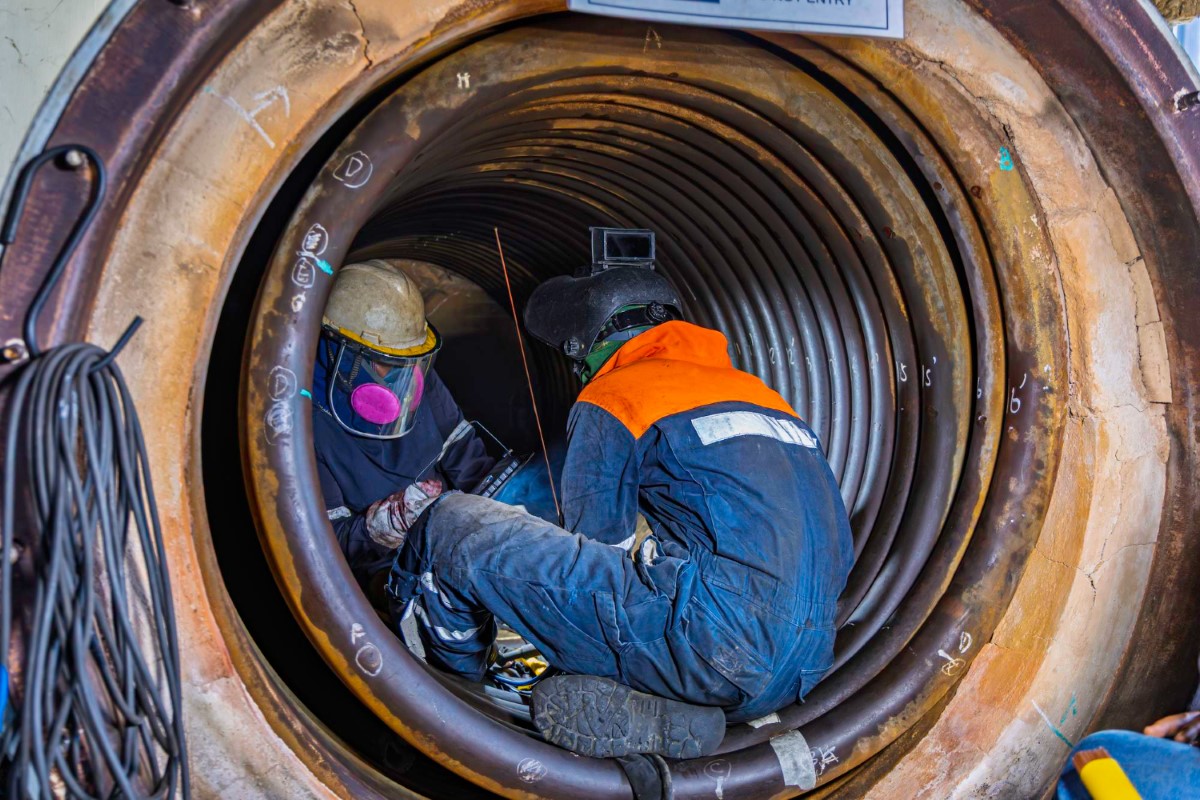
Safe entry begins with atmosphere testing and clear communication between the authorized worker and the watchman.

What is the importance of the NR33 Authorized Attendant Course?

The NR33 Authorized Attendant Course is important because it prepares workers to recognize, evaluate and control the complex risks that exist in confined spaces. By applying the requirements of NR 33, the participant learns how atmospheric conditions, equipment limitations and procedural decisions directly influence safety. This knowledge transforms the worker’s ability to anticipate hazards and respond with precision, reducing the likelihood of critical incidents.

Furthermore, the course strengthens operational discipline by guiding workers, supervisors and watchmen through the correct use of the Entry and Work Permit, continuous communication and emergency planning. Because NR 33 defines strict responsibilities and performance criteria, the training ensures that each professional understands their role within the safety structure. As a result, the course not only elevates technical competence but also protects life and maintains full regulatory compliance.

Click the Link: Criteria for Issuing Certificates according to the Standards

Free Professional Training Basic Notions (Does not replace Academic Education or Technical Training)

Workload: 16 Hours

Certificate of completion

Prerequisite: Literacy


Course NR 33 Authorized and Watchman in English

NR 33 TRAINING COURSE – OCCUPATIONAL SAFETY AND HEALTH IN CONFINED SPACES – AUTHORIZED WORKER AND WATCHMAN LEVEL – TAUGHT IN ENGLISH
Total Duration: 16 Hours

Module 1 – Definitions and Regulatory Framework (1 Hour)
Concepts and terminology established by NR 33
Legal responsibilities of employers, authorized workers and watchmen
Interaction with NR 01, NR 07, NR 09 and NR 35
Regulatory basis for safe confined space operations

Module 2 – Recognition, Evaluation and Control of Risks (1 Hour)
Principles of hazard identification
Criteria for evaluating existing and potential risks
Risk hierarchy and control measures
Preventive strategies for safe operations

Module 3 – Physical Risks in Confined Spaces (1 Hour)
Types and characteristics of physical agents
Physiological effects of heat, noise, vibrations and radiation
Monitoring methods and interpretation of results
Preventive measures and exposure minimization

Module 4 – Chemical Risks (1 Hour)
Toxic, flammable and explosive atmospheres
Oxygen displacement and atmospheric variation
Contamination mechanisms and exposure levels
Control strategies to maintain safe conditions

Module 5 – Biological Risks (1 Hour)
Biological agents and contamination pathways
Health effects related to microbiological exposure
Assessment of biological conditions inside confined spaces
Preventive and protective measures

Module 6 – Ergonomic Risks (1 Hour)
Postural limitations and restricted mobility
Cognitive load and decision-making under pressure
Human factors and operational perception
Ergonomic criteria for safe work performance

Module 7 – Accident Risks (1 Hour)
Dynamics of accidents in confined spaces
Identification of unsafe conditions and hazardous energy
Mechanisms of entrapment, engulfment and instability
Preventive actions to avoid occupational incidents

Module 8 – Identification of Confined Spaces (1 Hour)
Criteria to classify a confined space
Environmental, structural and process-related characteristics
Documentation and mapping procedures
Requirements for access authorization

Module 9 – Operation of Equipment Used in Confined Spaces (1 Hour)
Types of operational equipment and their functions
Selection criteria according to NR 33 requirements
Safety parameters for use in hazardous atmospheres
Limitations and operational considerations

Module 10 – Breath Protection (1 Hour)
Principles of respiratory protection
Types of respirators suitable for confined spaces
Criteria for indication, selection and correct usage
Inspection, cleaning and storage requirements

Module 11 – Entry and Work Permit Procedures (1 Hour)
Purpose and mandatory information of the permit
Authorization flow and validation criteria
Responsibilities of each professional involved
Documentation and revision procedures

Module 12 – Communication Between Team, Watchman and Rescue Group (1 Hour)
Operational communication methods
Roles and integration of team members
Information flow under normal and critical conditions
Prevention of communication failures

Module 13 – Safety Equipment Concepts and Practices (1 Hour)
PPE and EPC categories applicable to confined spaces
Selection and indication criteria
Inspection and pre-use verification
Limitations and best operational practices

Module 14 – Equipment Inspection and Safety Criteria (1 Hour)
Inspection routines and acceptance parameters
Identification of unsafe or deteriorated components
Documentation of inspection activities
Criteria for equipment replacement and risk control

Module 15 – Confined Space Safety Measures and Preventive Actions (1 Hour)
Atmospheric monitoring concepts
Isolation, ventilation and hazardous energy control
Administrative, technical and procedural protections
Integration with occupational risk management

Module 16 – Accident Prevention, First Aid Principles and AED Notions (1 Hour)
Identification of emergency conditions
Basic theoretical first-aid concepts
Theoretical understanding of AED
Preventive strategies to reduce event severity

Completion and Certification:
Practical Exercises (when contracted);
Evidence Recording;
Theoretical Evaluation;
Practical Evaluation (when contracted);
Certificate of Participation.

NOTE:
We emphasize that the General Normative Program Content of the Course or Training may be changed, updated, with items added or removed as necessary by our Multidisciplinary Team. Our Multidisciplinary Team is authorized to update, adjust, modify and/or remove items, as well as insert or remove Standards, Laws, Decrees or technical parameters they deem applicable, whether related or not, and the Contracting Party is responsible for complying with the requirements set forth in the relevant Legislation.

Course NR 33 Authorized and Watchman in English

Course NR 33 Authorized and Watchman in English

Participants without experience:
Minimum working load = 32 hours / class

Participants with experience (Authorized and Watcher Level):
Minimum working load = 16 hours / class

Update (Recycle – Authorized and Watcher Level):
Minimum working load = 08 hours / class

Update (Recycle): NR-33 Item 33.3.5.3: All authorized workers, Watchers and Entry Supervisors must receive periodic training every 12 months, with a minimum working load of 8 hours. (Amended by Ministerial Order No. 1,409, of August 29, 2012).
NR-33 Item 3.5.2: The employer shall develop and implement training programs whenever any of the following situations occur:
a) change in procedures, conditions or work operations;
b) some event that indicates the need for new training; and
(c) where there is a reason to believe that there are deviations in use or entry procedures in confined spaces or that knowledge is inadequate.

Course NR 33 Authorized and Watchman in English
Course NR 33 Authorized and Watchman in English

TECHNICAL CURIOSITIES – COURSE NR 33 AUTHORIZED AND WATCHMAN IN ENGLISH:

Atmospheres Can Change in Seconds
The atmosphere of a confined space can become lethal in less than three seconds due to sudden variations in oxygen, flammable vapors, or toxic gases. This rapid behavior occurs because the internal volume is small and does not allow adequate dispersion.

Noise Behaves Differently Underground
Sound in confined spaces multiplies and reverberates in an unusual way, making communication difficult. For this reason, NR 33 reinforces clear signaling protocols, avoiding noises that confuse the team and compromise decisions.

Gas Stratification is Invisible but Deadly
Some gases accumulate at the top and others at the bottom, creating invisible layers. A space may appear safe when measured only at chest height, while concentrating deadly toxins near the floor or ceiling.

Our pedagogical project follows the guidelines imposed by Regulatory Standard No. 1.

After payment confirmation, Purchase Order, Contract signed between the parties, or any other form of closing confirmation, the teaching material will be released within up to 72 business hours (up to 9 days), due to the adaptation of the program content and compliance with the Technical Standards applicable to the scenario expressed by the Contractor; as well as other adjustments to the teaching material carried out by our Multidisciplinary Team for technical language according to the student’s nationality and the specific Operational and Maintenance Technical Instruction Manuals related to the activities to be performed.

OTHER ELEMENTS WHEN APPLICABLE AND CONTRACTED:
Definitions;
Recognition, evaluation and control of risks;
Control measures;
Physical risks;
Chemical risks;
Biological risks;
Ergonomic risks;
Risks of accidents;
Identification of confined spaces;
Operation of equipment used in Confined Spaces;
Breath protection;
Procedures and use of the Entry and Work Permit;
The forms of communication between the team, lookouts and rescue group;
Concepts and practices on safety equipment;
Types of safety equipment (PPE and EPC);
Operation of safety equipment;
Inspection of equipment and safety items;
Criteria for indicating and using equipment for risk control;
Operation of equipment used in Confined Spaces;
Procedures and use of Entry and Work Permit in confined spaces;
Accident Prevention, Notions of First Aid + DEA;

Complements of the Activity:
Importance Awareness:
APR (Preliminary Risk Analysis);
PAE (Emergency Action Plan;
PGR (Risk Management Plan);
Understanding the Need for the Rescue Team;
The Importance of task knowledge;
Accident prevention and first aid notions;
Protection against fires;
Risk perception and factors affecting people’s perceptions;
Impact and behavioral factors in safety;
Fear factor;
How to discover the fastest and easiest way to develop skills;
How to control your mind while working
How to administer and manage work time;
Why balance energy during activity for productivity
Consequences of Risk Habituation;
Causes of accidents at work;
Notions on the Tree of Causes;
Notions on Fault Tree;
Understanding Ergonomics;
Analysis of Workplace;
Ergonomic Risks;
Hazard Communication Standard (HCS) – OSHA;

Practical Exercises:
Evidence Recording;
Theoretical and Practical Evaluation;
Certificate of Participation.

Course NR 33 Authorized and Watchman in English

Know More: Course NR 33 Authorized and Watchman in English

33.3.5.3 All authorized workers, Watchers and Entry Supervisors must receive periodic training every 12 months, with a minimum working load of 8 hours. (Amended by Ministerial Order No. 1,409, of August 29, 2012).
33.3.5.2 The employer shall develop and implement training programs whenever any of the following situations occur:
A) change in procedures, conditions or work operations;
B) some event that indicates the need for new training; And
C) where there is a reason to believe that there are deviations in use or entry procedures in confined spaces or that knowledge is not adequate.
33.3.5.4 The initial training of authorized workers and Watchers must have a minimum workload of sixteen hours, be carried out within working hours, with programmatic content of: (Amended by Administrative Rule MOP no. 1,409, of August 29, 2012) .
A) definitions;
B) recognition, evaluation and control of risks;
C) operation of equipment used;
D) procedures and use of the Entry and Work Permit; And
E) notions of rescue and first aid.
33.3.5.1 The designation for work in confined spaces is prohibited without the prior qualification of the worker.
33.4.2 Personnel responsible for the execution of rescue measures shall be physically and mentally compatible with the activity to be performed.
33.4.3 The training of the rescue team shall include all possible accident scenarios identified in the risk analysis.
33.5 General Provisions
33.5.1 The employer shall ensure that workers are able to interrupt their activities and leave the workplace whenever they suspect that there is a serious and imminent risk to their safety and health or to a third party worker.
33.5.2 The contracting company and the contractor company shall be jointly and severally liable for compliance of this NR.
33.5.3 It is forbidden to enter and perform any work in confined spaces without the issue of the Entry and Work Permit.
F: NR 33

01 – URL FOTO: Licensor’s author: aleksandarlittlewolf – Freepik.com
02 – URL FOTO: Licensor’s author: noomcpk – Freepik.com
03 – URL FOTO: Licensor’s author: noomcpk – Freepik.com
04 – URL FOTO: Licensor’s author: noomcpk – Freepik.com

Course NR 33 Authorized and Watchman in English: Contact us.

As Normas Regulamentadoras – NR, são leis relativas à segurança, saúde, medicina do trabalho e meio ambiente, são de observância obrigatória pelas empresas privadas e públicas e pelos órgãos públicos da administração direta e indireta, bem como pelos órgãos dos Poderes Legislativo e Judiciário, que possuam empregados regidos pela Consolidação das Leis do Trabalho – CLT. PORTARIA Nº 3.214 de 08/06/1978.
Positivo. As Normas Regulamentadoras (NR) são disposições complementares ao Capítulo V (Da Segurança e da Medicina do Trabalho) do Título II da Consolidação das Leis do Trabalho (CLT), com redação dada pela Lei nº 6.514, de 22 de dezembro de 1977. Consistem em obrigações, direitos e deveres a serem cumpridos por empregadores e trabalhadores com o objetivo de garantir trabalho seguro e sadio, prevenindo a ocorrência de doenças e acidentes de trabalho. As primeiras normas regulamentadoras foram publicadas pela Portaria MTb nº 3.214, de 8 de junho de 1978. As demais normas foram criadas ao longo do tempo, visando assegurar a prevenção da segurança e saúde de trabalhadores em serviços laborais e segmentos econômicos específicos.
Eles podem ocorrer por diversos motivos. Quando ocorre um acidente além de destruir todo o “bom humor” das relações entre os empregados ou também o gravíssimo problema de se defender de uma série de procedimento ao mesmo tempo, então vale a pena investir nesta prevenção; Apesar da Lei da Delegação Trabalhista não prever que se aplica a “culpa en vigilando”, mas, apenas a responsabilidade de entregar o equipamento, porém vale frisar que o Empregador também fica responsável em vigiar; Mesmo efetuando todos os Treinamentos e Laudos obrigatórios de Segurança e Saúde do Trabalho em caso de acidente de trabalho o empregador estará sujeito a Processos tipo: Inquérito Policial – Polícia Civil; Perícia através Instituto Criminalista; Procedimento de Apuração junto Delegacia Regional do Trabalho; Inquérito Civil Público perante o Ministério Público do trabalho para verificação se os demais trabalhadores não estão correndo perigo; O INSS questionará a causa do acidente que poderia ser evitado e se negar a efetuar o pagamento do benefício ao empregado; Familiares poderão ingressar com Processo na Justiça do Trabalho pleiteando danos Morais, Materiais, Luxação, etc.; Tsunami Processual obrigando o Empregador a gerar Estratégias de Defesas mesmo estando certo; O Empregado não pode exercer atividades expostas a riscos que possam comprometer sua segurança e saúde, sendo assim o Empregador poderá responder nas esferas criminal e civil.
MODALIDADE EAD – PDF – APOSTILA: Você receberá um acesso em nossa plataforma EAD, onde o curso será disponibilizado através de módulos com apostila em PDF e materiais complementares como normas técnicas aplicáveis e memorial de cálculo quando aplicável. MODALIDADE EAD – AUDIOVISUAL (VÍDEO AULA): Nesta modalidade você receberá o material da modalidade anterior + videoaulas sobre o assunto gravadas pela nossa equipe multidisciplinar com imagens ilustrativas para melhor fixação do conteúdo. MODALIDADE EAD – TRANSMISSÃO AO VIVO (ATÉ 8H): Nesta modalidade, além do material das outras modalidades, você terá um dia (até 8H aula) de Transmissão Ao Vivo com um de nossos Instrutores Responsáveis, você poderá conversar em tempo real e tirar dúvidas pertinentes diretamente com o Instrutor. Em todas as modalidades você poderá tirar dúvidas com nossa equipe multidisciplinar sobre o assunto estudado, através do nosso e-mail. Basta enviar todas as suas dúvidas que em até 72 horas úteis eles respondem.
Negativo. O que habilita a assinar o Laudo (Relatório Técnico) é a formação acadêmica e seu devido Registro ATIVO no Conselho de Classe (CREA, CRQ, CRM, RRT, etc…). Os Cursos de Aprimoramento servem para ensinar aquilo que não foi visto ou esquecido durante seus estudos na Faculdade de Formação Superior. Os Cursos tem por objetivo o estudo de situações onde será necessário a aplicação de: Conceitos e Cálculos conforme Normas pertinentes e não substitui a análise e responsabilidade por parte de cada PLH (Profissional Legalmente Habilitado, credenciado junto ao CREA ou outros Conselhos de Classes nas mais variadas situações, onde se torna impreterivelmente fundamental respeitar as condições de conservação dos equipamentos, aferição periódica dos instrumentos, tal como o respeito de capacidade primária pré-determinada pelos fabricantes de EPI’s, entre outros embasados nas Normas pertinentes.
Positivo. As Normas Técnicas Brasileiras são um conjunto de especificações técnicas e diretrizes cuja função é padronizar o processo de desenvolvimento de produtos e serviços no Brasil. Da fase de projeto e pesquisa até a entrega aos consumidores, as NBRs são desenvolvidas de forma neutra, objetiva e técnica. Elas são elaboradas por PLH (Profissional Legalmente Habilitado) da ABNT (Associação Brasileira de Normas Técnicas), as NBRs possuem força de lei, pois são mencionadas em Leis, Portarias, Decretos etc…

De acordo com a Norma Regulamentadora 01:
NR 1.1.6.2 Os documentos previstos nas NR podem ser emitidos e armazenados em meio digital com certificado digital emitido no âmbito da Infraestrutura de Chaves Públicas Brasileira (ICP-Brasil), normatizada por lei específica. 
NR 1.1.6.3.1 O processo de digitalização deve ser realizado de forma a manter a integridade, a autenticidade e, se necessário, a confidencialidade do documento digital, com o emprego de certificado digital emitido no âmbito da Infraestrutura de Chaves Públicas Brasileira (ICP-Brasil). 
NR 1.1.7.1.1 Ao término dos treinamentos inicial, periódico ou eventual, previstos nas NR, deve ser emitido certificado contendo o nome e assinatura do trabalhador, conteúdo programático, carga horária, data, local de realização do treinamento, nome e qualificação dos instrutores e assinatura do responsável técnico do treinamento. 
NR 2.2.1.1 A empresa ou instituição especializada que oferte as capacitações previstas nas NR na modalidade de ensino à distância e semipresencial, deve atender aos requisitos constantes deste Anexo e da NR-01 para que seus certificados sejam considerados válidos.

Para saber mais, clique aqui!

Cursos e Treinamentos de Capacitação na área de Segurança e Saúde do Trabalho são considerados LIVRES e atendem o Ministério do Trabalho e Emprego, conforme preconizam as NR, portanto não há o que se falar em reconhecimento pelo MEC. Os Cursos e Treinamentos de Aprimoramento são para atender requisitos específicos de instituições/associações voltadas à Segurança e Saúde do trabalho, sua função é ensinar aquilo que não foi visto ou esquecido durante seus estudos na Faculdade de Formação Superior. Os Cursos desenvolvidos por nossa equipe multidisciplinar não são de formação técnica, nem superior, sendo assim, não se aplicam às condições e exigências do MEC.
ESSA MUDANÇA COMEÇA POR VOCÊ! Pesquise, confirme, mude suas escolhas e tome atitudes. Seja proativo e seja parte interessada nas mudanças e quebras de paradigmas dentro da sua organização. Como Stakeholder, você precisa buscar sempre a melhor qualidade para sua gestão, a fim de mitigar os riscos à sua organização. Como fazer isso? Seguindo os Conceitos da ISO 45001 buscando um sistema de gestão de SSO (Segurança e Saúde Ocupacional) e fornecendo uma estrutura para gerenciar os riscos e oportunidades de SSO. Busque metas e resultados para prevenir lesões e problemas de saúde relacionados ao trabalho para os colaboradores e proporcione locais de trabalho seguros e saudáveis. Além de eliminar os perigos e minimizar os riscos de SSO, tome medidas preventivas e de proteção efetivas.

LEGISLAÇÃO TRABALHISTA – CONSOLIDAÇÃO DAS LEIS DO TRABALHO 
PORTARIA 3214/78 DO M.T.E.

CLT SOBRE SEGURANÇA E SAÚDE NO TRABALHO AO EMPREGADOR DETERMINA:
Art. 157 – Cabe às empresas:
1- Cumprir e fazer cumprir as normas de segurança e medicina do trabalho;
2- Instruir os empregados, através de ordens de serviço, quanto às precauções a tomar no sentido de evitar acidentes do trabalho ou doenças ocupacionais;
3- Adotar as medidas que lhes sejam determinadas pelo órgão regional competente;
4- Facilitar o exercício da fiscalização pela autoridade competente.

NR-1 – Disposições Gerais:
O item 1.9 da NR-1 aduz ao empregador:
O não cumprimento das disposições legais e regulamentares sobre segurança e medicina do trabalho acarretará ao empregador a aplicação das penalidades previstas na legislação pertinente.


CONSTITUIÇÃO FEDERAL DE 1988:
Art. 7º – São direitos dos trabalhadores urbanos e rurais, além de outros que visem à melhoria de sua condição social:
XXII – redução dos riscos inerentes ao trabalho, por meio de normas de saúde, higiene e
Segurança.
XXVIII – Seguro contra acidentes de trabalho, a cargo do empregador, sem excluir a indenização a que este está obrigado, quando incorrer em dolo ou culpa.

Benefícios da Previdência Social – Lei 8.213:
A Lei 8.213 de 1991, normas de segurança e saúde no trabalho e dispositivos pecuniários e punitivos pela não observância da prevenção de acidentes e doenças laborais, ambos às empresas, quais sejam:
Art. 19. […] § 1º A empresa é responsável pela adoção e uso das medidas coletivas e individuais de proteção e segurança da saúde do trabalhador.


LEGISLAÇÃO CIVIL:
Artigo 927 do Código Civil: “aquele que, por ato ilícito(Arts. 186 e 187), causar dano a outrem fica obrigado a repará-lo“.
Artigo 932 – são também responsáveis pela reparação civil:
Item III – o empregador ou comitente, por seus empregados, serviçais e prepostos, no exercício do trabalho que lhes competir, ou em razão dele.”
Art. 949 – no caso de lesão ou outra ofensa à saúde, o ofensor indenizará o ofendido das despesas do tratamento e dos lucros cessantes até ao fim da convalescença, além de algum outro prejuízo que o ofendido prove haver sofrido.

Brasil (2010, página. 107) sobre a responsabilidade civil prevista no Código Civil:
Código Civil em vigor define nos artigos: 186 e 187 os atos ilícitos; 927 a 932 obrigação de indenizar;
934 ação regressiva, ou seja, o empregador efetua o pagamento da indenização civil por ser o responsável primário, entretanto, poderá propor uma ação regressiva contra quem deu causa ao acidente;
942 o comprometimento dos bens do autor da ofensa.


REGULAMENTO DA PREVIDÊNCIA SOCIAL:
O pagamento, pela Previdência Social, das prestações por acidente do trabalho não exclui a responsabilidade civil da empresa ou de outrem.

Lei de Introdução ao Código Civil Brasileiro:
Artigo 30, da Lei de Introdução ao Código Civil Brasileiro: “Ninguém se escusa de cumprir a lei, alegando que não a conhece.”

Artigo 157 da CLT: “Cabe às empresas:
Cumprir e fazer cumprir as normas de segurança e medicina do trabalho;
Instruir os empregados, através de Ordens de Serviço, quanto às precauções a tomar no sentido de evitar acidentes do trabalho ou doenças ocupacionais;
Adotar as medidas que lhe sejam determinadas pelo órgão regional competente;
Facilitar o exercício da fiscalização pela autoridade competente.”
Artigo 159 do Código Civil: “Aquele que por ação ou omissão voluntária, negligência, imprudência ou imperícia, causar dano a outra pessoa, obriga-se a indenizar o prejuízo.”

Artigos do Código Civil:
Artigo 1521: ” São também responsáveis pela reparação civil, o patrão, por seus empregados, técnicos serviçais e prepostos.”
Artigo 1522: “A responsabilidade do artigo 1522 abrange as pessoas jurídicas que exercem exploração industrial.”
Artigo 1524: “O que ressarcir o dano causado por outro pode reaver, daquele por quem pagou, o que houver pago.”
Decreto 3048, de 06 de maio de 1999.


LEGISLAÇÃO PENAL:
Dos crimes contra a pessoa e contra a vida; Homicídio simples
Artigo 121 Matar alguém: Pena – reclusão, de seis a vinte anos.
Quando o acidente decorre de culpa grave, caracterizado em processo criminal, o causador do evento fica sujeito:
1º – se culposo
§ 3º – detenção de 1 a 3 anos.
§ 4º – aumentada de 1/3 (um terço), se o crime resulta de inobservância de regra técnica de profissão, arte ou ofício, ou se o agente deixa de prestar imediato socorro à vítima, não procura diminuir as consequências do seu ato, ou foge para evitar prisão em flagrante.

Das lesões corporais:
Artigo 129 Ofender a integridade corporal ou a saúde de outrem: Pena – detenção, de três meses a um ano.
Lesão corporal de natureza grave
§ 1º Se resulta:
I – Incapacidade para as ocupações habituais, por mais de trinta dias; II – Perigo de vida;
III – debilidade permanente de membro, sentido ou função; IV – Aceleração de parto:
Pena – reclusão, de um a cinco anos.
§ 2° Se resulta:
I – Incapacidade permanente para o trabalho; II – enfermidade incurável;
III perda ou inutilização do membro, sentido ou função; IV – Deformidade permanente;
V – Em lesão corporal de natureza grave ou incapacidade permanente para o trabalho: Pena
– Detenção de 2 a 8 anos.
§ 7º – aumento de um terço da pena se o crime foi resultante de inobservância de regra técnica da profissão.
Da periclitação da vida e da saúde
Art. 132 – Expor a vida ou a saúde de outrem a perigo direto e iminente: Pena – detenção, de três meses a um ano, se o fato não constitui crime mais grave.
Parágrafo único. A pena é aumentada de um sexto a um terço se a exposição da vida ou da saúde de outrem a perigo decorre do transporte de pessoas para a prestação de serviços em estabelecimentos de qualquer natureza, em desacordo com as normas legais.(Incluído pela Lei nº 9.777, de 29.12.1998).

A responsabilidade penal, que é pessoal (do empregador, do tomador de serviços, do preposto, do membro da CIPA, do engenheiro de segurança, do médico do trabalho, etc.),
Será caracterizada não só pelo acidente do trabalho, quando a ação ou omissão decorrer de dolo ou culpa, mas também pelo descumprimento das normas de segurança, higiene e medicina do trabalho, expondo-se a risco e perigo a vida dos trabalhadores, como preceitua o Código Penal.

Constitui contravenção penal, punível com multa, deixar a empresa de cumprir as normas de segurança e higiene do trabalho. Art. 120.
Nos casos de negligência quanto às normas padrão de segurança e higiene do trabalho indicados para a proteção individual e coletiva, a Previdência Social proporá ação regressiva contra os responsáveis. Art. 121.
É importante, ainda, salientar outro artigo do Código Penal, referente ao chamado Crime de Perigo – art. 132: “Expor a vida ou a saúde de outrem a perigo direto e iminente”. A pena para este caso varia de 3 meses a 1 ano, se o fato não constituir crime mais grave.

Artigo 121 do Código Penal:
“Quando o acidente decorre de culpa grave, caracterizado em processo criminal, o causador do evento fica sujeito, se resulta morte do trabalhador:
Detenção de 1 a 3 anos.
Aumento da pena de um terço se o crime foi resultante de inobservância de regra técnica de profissão.”

Artigo 129 do Código Penal:
“Se resulta em lesão corporal de natureza grave ou incapacidade permanente para o trabalho:
Detenção de 2 meses a 1 ano.
Aumento de um terço da pena se o crime foi resultante de inobservância de regra técnica de profissão.”

Artigo 132 do Código Penal:
“Expor a vida ou a saúde do trabalhador à perigo direto e iminente.
Pena – Prisão de 3 meses a 1 ano.”
Decreto 3048, de 06 de maio de 1999,

Aprova o Regulamento da Previdência Social:
Art. 343. Constitui contravenção penal, punível com multa, deixar a empresa de cumprir as normas de segurança e saúde do trabalho.


LEGISLAÇÃO CIVIL:
Artigo 927 do Código Civil: “aquele que, por ato ilícito(arts.186e187), causar dano a outrem fica obrigado a repará-lo.”
Artigo 932 – são também responsáveis pela reparação civil:
Item III – o empregador ou comitente, por seus empregados, serviçais e prepostos, no exercício do trabalho que lhes competir, ou em razão dele.”
Art. 949 – no caso de lesão ou outra ofensa à saúde, o ofensor indenizará o ofendido das despesas do tratamento e dos lucros cessantes até ao fim da convalescença, além de algum outro prejuízo que o ofendido prove haver sofrido.

CÓDIGO DE DEFESA DO CONSUMIDOR:
Lei 8078/90 – Seção I: da Proteção à saúde e segurança
Capítulo III: Direitos básicos do consumidor
I: proteção da vida, saúde e segurança contra usos;
IV: A efetiva prevenção, reparação de danos patrimoniais, morais, individuais, coletivos e difusos.

Para saber mais, clique aqui