Technical Name: Course NR 37 – Basic Level – Safety and Health in Oil Rigs
Reference: 172670
We provide courses and training; We perform Translations and Versions in Technical Language: Portuguese, English, Spanish, French, Italian, Mandarin, German, Russian, Swedish, Dutch, Hindi, Japanese and others consult.
NR37 Basic Course English
The NR 37 Basic Course English strengthens the worker’s ability to recognize, interpret, and respond to the risks present on oil platforms, creating a solid foundation of technical understanding before the first embarkation. By presenting the risk inventory, the control measures defined in the PGR, and the critical elements of operational safety, the course guides the participant to understand how each decision made onboard directly affects the integrity of the installation and the continuity of operations. This integrated view allows the professional to act with preventive awareness from the very first contact with the offshore environment.
In addition, the course instructs the worker to use normative information in a practical way, enabling them to identify flammable substances, classified areas, psychosocial risks, radiological agents, and emergency procedures with safety and precision. Since NR 37 requires mastery of these topics to ensure collective and individual protection on platforms, the training plays a strategic role by transforming normative concepts into clear, applicable actions in daily operations. Thus, the participant boards more prepared, more attentive, and fully aligned with the requirements of the main standard.

Offshore platform in a low-light scenario, reinforcing the need to recognize flammable substances, emergency procedures, and safe routes.
Who is responsible for ensuring that the worker receives the basic training before the first embarkation?
The installation operator assumes direct responsibility for ensuring that the worker receives the basic training required by NR 37 before the first embarkation. This duty involves validating content, applying complementary instructions, and ensuring that the program fully complies with item 37.9.6.3 of the standard, enabling the professional to understand risks, control measures, and safe behaviors adopted onboard.
In addition, the operator must confirm that all non-assigned workers receive the training delivered or properly validated, preventing any compliance gaps that could result in failures in operational safety. The operator’s responsible action ensures that the worker boards prepared to recognize hazards and adopt preventive actions in a complex and dynamic offshore environment.
When should the platform’s risk inventory be considered during the operational routine?
The risk inventory guides every operational decision because it translates the real hazards present on the platform and the barriers required to control them. When the worker uses this document as a constant reference, their actions remain aligned with NR 37 requirements and reduce failures that could compromise the integrity of the installation.
| Operational situation | Application of the risk inventory |
|---|---|
| Start of shift | Guides priority hazards and active controls |
| Change of activity | Reassesses risks and reinforces preventive measures |
| Critical operations | Defines barriers, EPC, and safe conduct |
| Inspections and verifications | Checks whether the mapped risks remain valid |
NR37 Basic Course English: Necessary practices to prevent ignitions in classified areas.
The elimination of ignition sources begins with operational discipline. When the worker understands the elements capable of igniting an explosive atmosphere, they adjust their behavior to keep the environment controlled and safe.
Control of ignition sources
Use of Ex equipment
Regular preventive maintenance
Continuous atmosphere monitoring

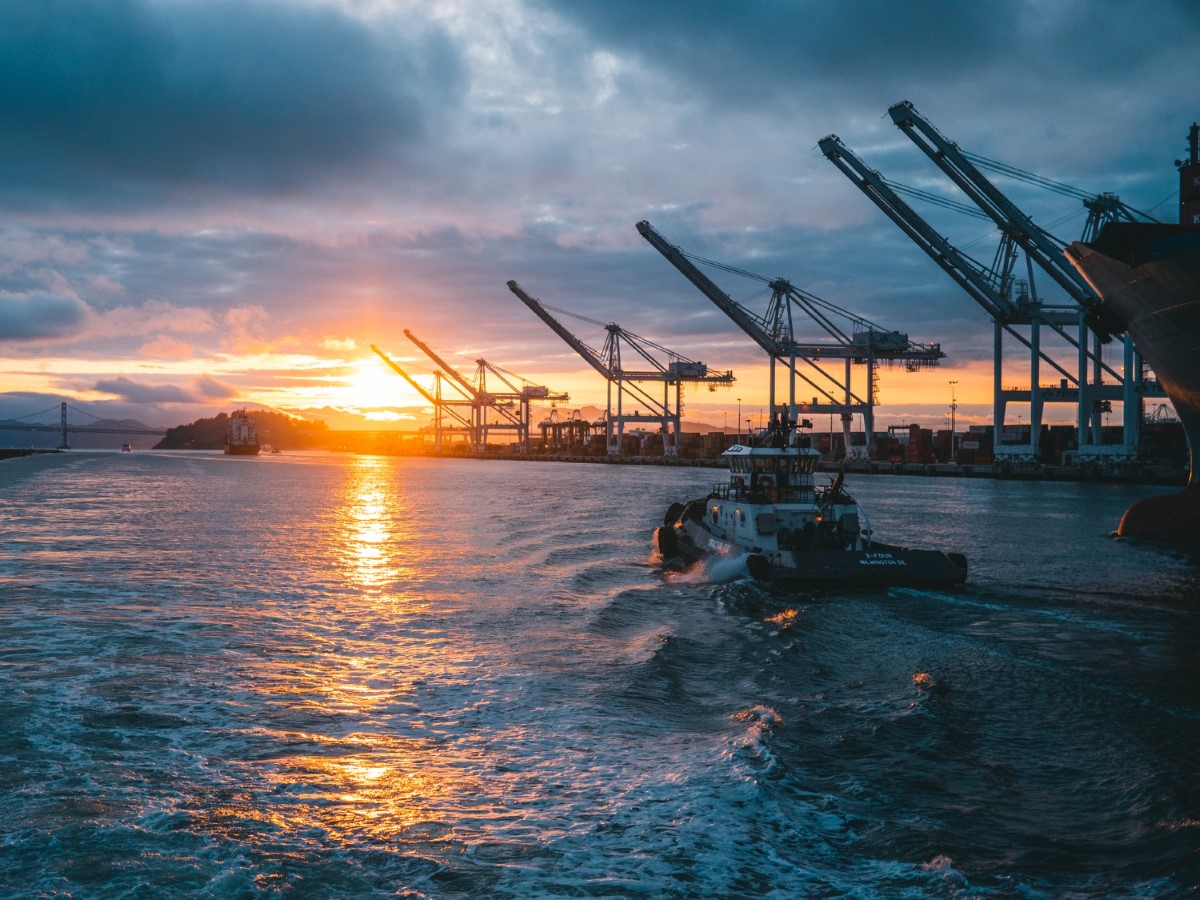
Maritime unit at dusk, highlighting operational isolation and the importance of pre-embarkation training to identify environmental and psychosocial risks.
Why does the worker need to understand the characteristics of the flammable substances onboard?
The worker needs to understand the characteristics of flammable substances because these materials have specific behaviors that directly influence operational safety. When the professional recognizes flammability limits, reactivity, and volatility, they understand why certain protective barriers exist and how to apply them in the daily routine of the platform.
In addition, this understanding reduces the likelihood of decision-making errors in critical situations such as leaks, excessive heating, or containment failures. By mastering these fundamentals, the worker operates with greater precision, anticipates risks, and contributes to maintaining the integrity of the installation and the team.
Where do psychosocial risks become most evident during offshore activities?
The offshore environment intensifies psychological factors because it combines isolation, long work shifts, and high cognitive demand. By recognizing where these risks manifest, the worker can anticipate their effects and protect their mental health.
| Platform environment | Intensity of psychosocial risks |
|---|---|
| Confined accommodations | Increased fatigue and irritability |
| Night shifts | Reduced cognitive performance |
| Long embarkation cycles | Increased stress and mental overload |
| Critical activities | Heightened sensitivity to distractions |
NR37 Basic Course English: Location of hazardous chemical products onboard
The arrangement of chemical products follows safety criteria defined by NR 37. When the worker understands these locations, they move around the platform more consciously and reduce unnecessary exposure.
Process areas
Material storage
Treatment systems
Operational laboratories
What should be the worker’s posture when identifying an emerging risk on the platform?
The worker’s posture must be immediate, active, and guided by the procedures of the PGR and the platform’s communication systems. Quickly recognizing a risk allows the containment process to begin and minimizes the exposure of people and equipment. This attitude reinforces the preventive culture required by NR 37.
In addition, the worker must report the risk to the supervisory team without delay, record the occurrence, and take initial isolation measures according to the facility’s guidance. This disciplined flow prevents escalation, preserves operational integrity, and contributes to a coordinated response by the offshore team.
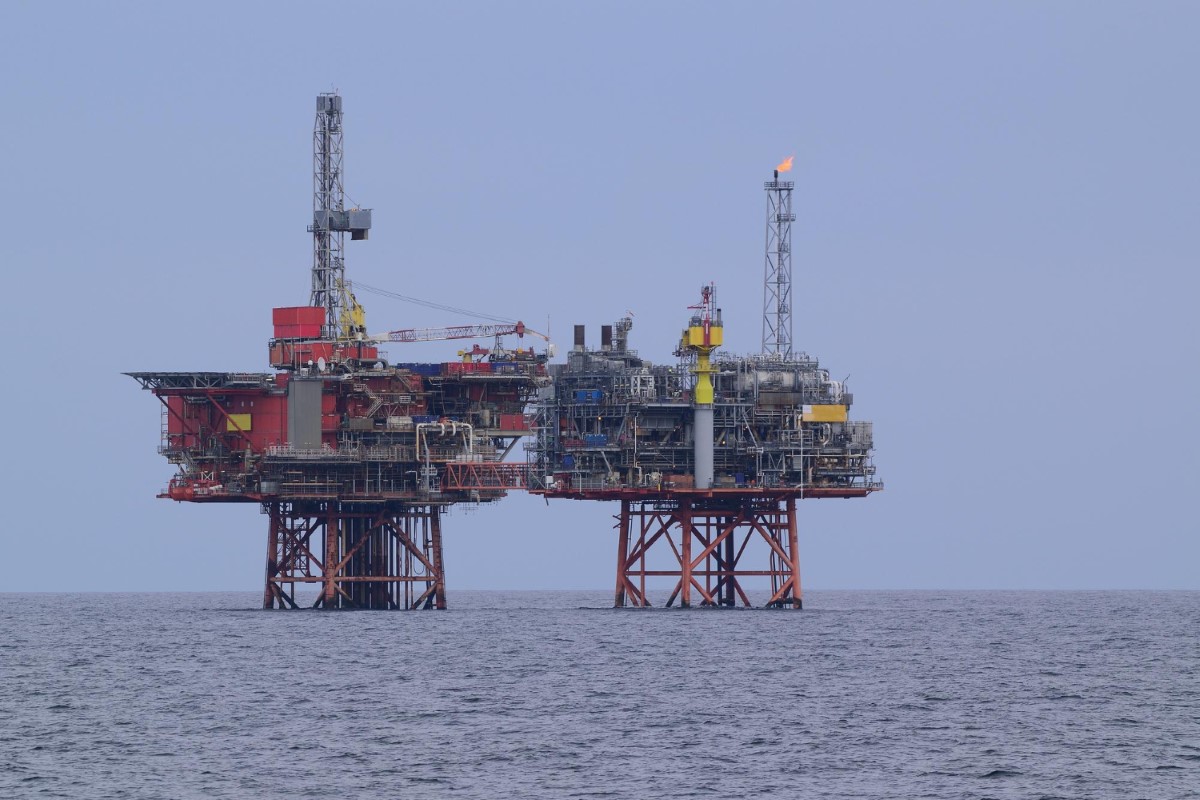
Fixed platform in full operation, showing structural systems and classified areas that require strict ignition source control according to NR 37.
What is the importance of the NR37 Basic Course English?
The NR37 Basic Course English is strategically important because it prepares the worker to clearly and practically understand the risks present on oil platforms and the control measures defined in the PGR. By mastering concepts such as classified areas, flammable substances, psychosocial risks, hazardous chemicals, and emergency procedures, the participant strengthens their ability to work safely in an environment that demands constant attention and precise decision-making. This theoretical foundation reduces operational errors, broadens risk perception, and directly contributes to the integrity of offshore operations.
In addition, the course ensures full alignment with the requirements of NR 37, which establishes mandatory parameters to protect workers in offshore oil exploration and production facilities. The standard requires that professionals board the platform already aware of its specific hazards and the existing protection barriers. Thus, the training not only fulfills a legal requirement but also develops a more prepared, more conscious worker who is capable of responding assertively to critical scenarios in the offshore environment.
Certificate of completion
Course NR 37 – Basic Level
NR 37 COURSE – BASIC LEVEL – SAFETY AND HEALTH IN OIL RIGS
Workload: 04 Hours
MODULE 1 – RISK INVENTORY, PGR, AND PLATFORM ACCESS (1 Hour)
Introduction to the PGR applied to oil platforms
Structure and purpose of the risk inventory
Control measures established in the PGR
Means and procedures for platform access
Circulation rules and safety requirements for boarding and disembarking
MODULE 2 – WORK ENVIRONMENT, FLAMMABLES, CLASSIFIED AREAS, AND ENVIRONMENTAL HAZARDS (1 Hour)
Conditions and work environment onboard
Characteristics and properties of combustible and flammable substances
Hazards and risks associated with fire and explosion
Classified areas, ignition sources, and control methods
Typical environmental risks of offshore operations
MODULE 3 – OPERATIONAL RISKS, SPECIFIC RISKS, PSYCHOSOCIAL RISKS, AND RADIOLOGICAL RISKS (1 Hour)
Safety measures available for controlling operational risks
Risks related to workers’ specific activities
Measures for eliminating or mitigating risks
Psychosocial risks resulting from long shifts, confinement, and rotations
Industrial or natural radiological risks present on platforms
MODULE 4 – CHEMICAL PRODUCTS, SDS, EPC, PPE, AND EMERGENCY PROCEDURES (1 Hour)
Hazardous and explosive chemicals onboard
Applications and technical reading of the SDS
Collective Protection Equipment
Personal Protective Equipment
Emergency procedures and conduct during critical scenarios
Completion and Certification:
Practical Exercises (when contracted);
Recording of Evidence;
Theoretical Evaluation;
Practical Evaluation (When contracted);
Certificate of Participation.
NOTE:
We emphasize that the General Normative Programmatic Content of the Course or Training may be altered or updated, with items added or removed as necessary by our Multidisciplinary Team. Our Multidisciplinary Team is authorized to update, adjust, alter, and/or delete items, as well as insert or remove Standards, Laws, Decrees, or technical parameters deemed applicable, whether related or not, and the Contracting Party is responsible for fulfilling the requirements established by the relevant Legislation.
Course NR 37 – Basic Level