Reference: 55648
NR20 Integration Course English
The objective of the NR20 Integration Course English is to provide workers with a solid theoretical foundation for safely performing activities involving flammable and combustible materials. Through structured content, the course develops technical understanding of hazards, ignition sources, explosive atmospheres, and preventive measures, enabling participants to recognize risks and apply safe behaviors before incidents occur. As a result, professionals become capable of identifying unsafe conditions and understanding their role in accident prevention.
Furthermore, the course ensures alignment with NR 20, which establishes mandatory requirements for training, risk control, and operational safety. By integrating regulatory knowledge with risk perception and behavioral awareness, the course strengthens safety culture, supports legal compliance, and promotes consistent decision making in environments where flammable and combustible substances are present.
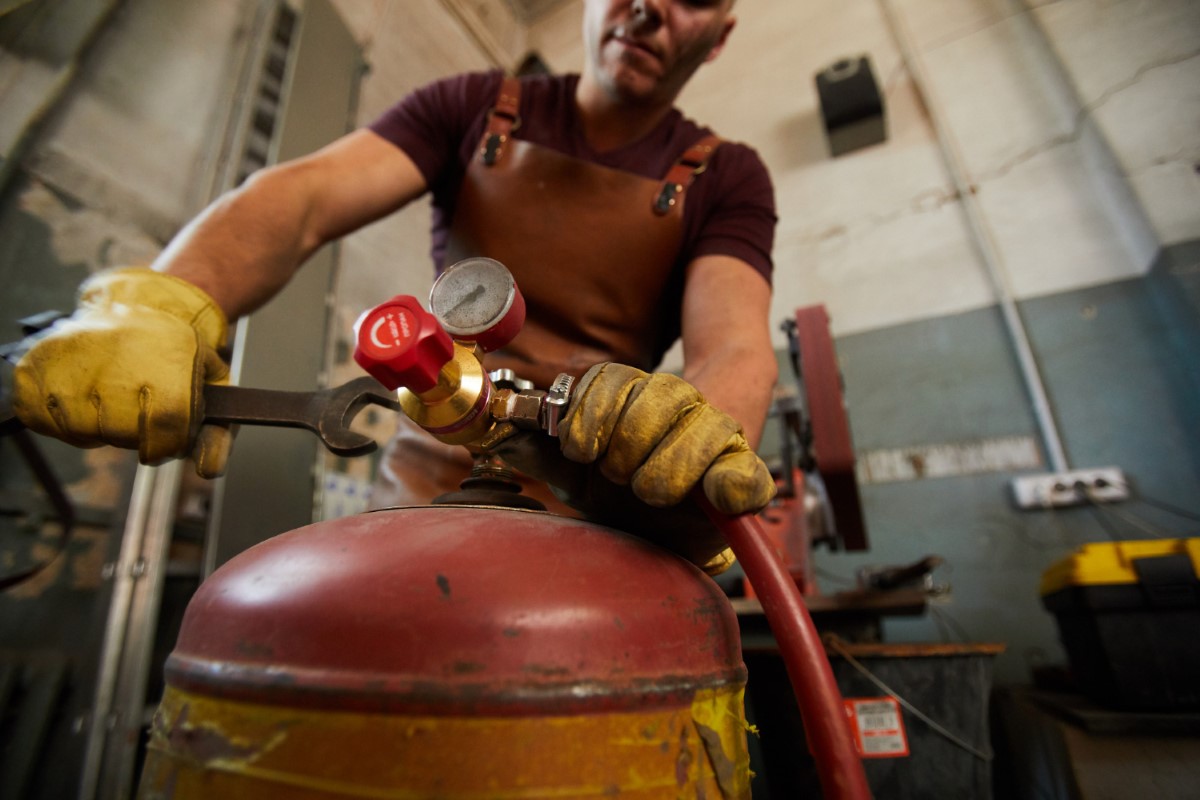
Working with pressurized flammable systems demands strict control of valves, equipment integrity, and ignition sources to avoid leaks, fires, and explosions.
Who must attend training for work with flammable and combustible materials?
This training applies to all workers whose activities involve direct or indirect contact with flammable and combustible materials. It includes operators, maintenance personnel, supervisors, and support teams who may be exposed to hazardous substances during normal or abnormal operations.
Furthermore, the training ensures that every professional understands their role in risk prevention and regulatory compliance. As a result, organizations reduce unsafe behaviors, improve hazard recognition, and strengthen alignment with NR 20 requirements.
When is this training required?
This training must be completed before any worker begins activities involving flammable and combustible materials. In addition, it becomes mandatory whenever changes in processes, materials, or risk conditions occur.
Training Requirement Situations
| Situation | Training Requirement |
|---|---|
| Before starting activities | Mandatory |
| Change in processes or materials | Mandatory |
| Identification of new hazards | Mandatory |
| Update of safety procedures | Recommended |
NR20 Integration Course English: Flammable and combustible materials present inherent and continuous risks
Flammable and combustible materials inherently generate hazardous conditions that demand continuous control, even during routine operations.
Key Risk Characteristics
Formation of explosive atmospheres
High sensitivity to ignition sources
Rapid fire and explosion propagation
Severe consequences to people and assets
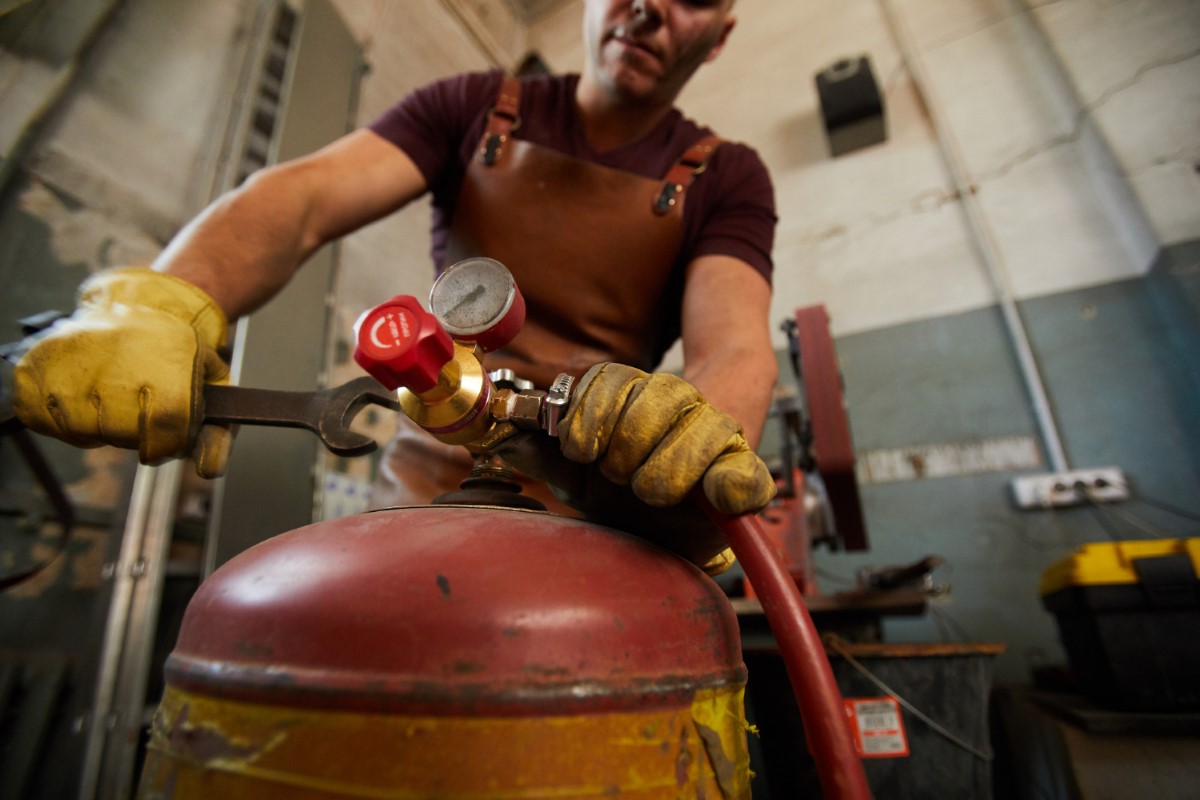
Working with pressurized flammable systems demands strict control of valves, equipment integrity, and ignition sources to avoid leaks, fires, and explosions.
Why is risk perception essential when working with flammable materials?
Risk perception plays a decisive role in preventing accidents involving flammable substances. When workers understand how these materials behave, they identify early warning signs and act before conditions escalate into incidents.
Moreover, effective risk perception counteracts complacency and reduces the effects of risk habituation. Consequently, professionals follow procedures more consistently, communicate hazards clearly, and support collective safety in accordance with NR 20.
Where do flammable and explosive atmospheres usually form?
Flammable and explosive atmospheres form primarily in locations where vapors accumulate faster than they disperse. These environments often appear harmless but represent critical risk zones.
Common Risk Locations
| Location | Risk Factor |
|---|---|
| Storage areas | Vapor accumulation |
| Transfer points | Leakage during handling |
| Low or confined areas | Heavier than air vapors |
| Poorly ventilated spaces | Limited vapor dispersion |
Why must ignition sources always be identified and controlled?
Ignition sources represent the final trigger for fires and explosions, which makes their identification and control a fundamental safety requirement.
Primary Ignition Sources
Electrical installations
Static electricity
Hot surfaces
Mechanical friction
What is the importance of training according to NR 20?
Training based on NR 20 establishes a structured understanding of legal obligations and safe operational practices for work involving flammable and combustible materials. Through theoretical knowledge, workers learn how to recognize risks, follow procedures, and make informed decisions.
In addition, NR 20 training reinforces safety culture and regulatory compliance across the organization. As a result, companies minimize accident probability, protect lives, and maintain operational integrity.
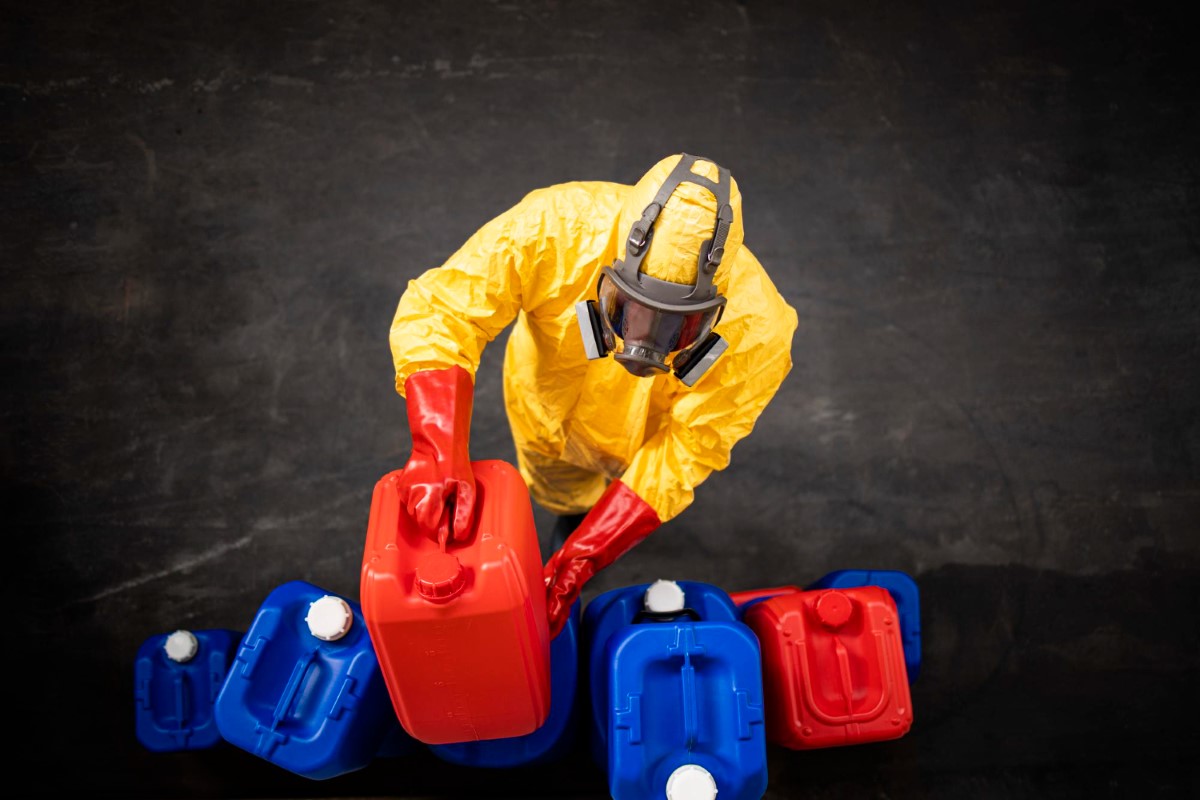
Safe handling of flammable liquids requires proper personal protective equipment and controlled transfer procedures to prevent vapor release, ignition, and accidental spills.
What is the important of the NR20 Integration Course English?
The NR20 Integration Course English is essential to ensure that workers clearly understand the risks associated with flammable and combustible materials and act safely in environments where fires, explosions, and hazardous atmospheres may occur. By providing structured theoretical knowledge, the course strengthens hazard recognition, improves risk perception, and supports correct decision making before unsafe conditions escalate into accidents. As a result, professionals develop safer behaviors and contribute directly to the prevention of serious incidents.
In addition, the course ensures compliance with NR 20, which establishes mandatory requirements for training, risk control, and operational safety. By aligning technical knowledge with regulatory obligations, the course reinforces safety culture, reduces legal and operational exposure, and protects both human life and organizational assets.
Click the Link: Criteria for Issuing Certificates in accordance with the Standards
Certificate of Completion
NR20 Integration Course English
INTEGRATION COURSE FOR WORK WITH FLAMMABLE AND COMBUSTIBLE MATERIALS IN ENGLISH
Course Load: 16 Hours
MODULE 01 – Regulatory Framework and Legal Foundations (2 Hours)
Overview of occupational safety legislation applied to flammable and combustible materials
NR-20 Safety and Health at Work with Flammable and Combustible Materials
Integration with NR-01 Risk Management and GRO
Employer and worker legal responsibilities
Civil, criminal, and administrative liabilities
Importance of compliance and traceability
MODULE 02 – Classification of Installations and Hazardous Areas (2 Hours)
Classification of facilities involving flammable and combustible substances
Operational characteristics of Class I, II, and III installations
Hazardous area zoning concepts
Interface with international standards for explosive atmospheres
Criticality of correct classification for risk control
MODULE 03 – Properties of Flammable and Combustible Substances (2 Hours)
Physical and chemical characteristics of flammable fluids
Flash point, ignition temperature, vapor pressure, and flammability limits
Thermochemical properties and behavior under different conditions
Interaction with oxygen and environmental factors
Consequences of improper handling and storage
MODULE 04 – Sources of Ignition and Control Measures (2 Hours)
Typical sources of ignition in industrial environments
Static electricity, friction, hot surfaces, and electrical equipment
Control and elimination strategies
Engineering, administrative, and organizational controls
Hierarchy of risk control applied to ignition sources
MODULE 05 – Risk Analysis and Accident Prevention (2 Hours)
Concepts and objectives of risk analysis
Hazard identification and risk evaluation
Qualitative and semi-quantitative methodologies
Perception of risk and factors influencing human behavior
Impact of habituation and normalization of risk
MODULE 06 – Work Permits and Operational Control (2 Hours)
Permit to Work for flammable and combustible activities
Authorization processes and responsibility matrix
Operational discipline and procedural compliance
Importance of documentation and records
Traceability as a safety management tool
MODULE 07 – Fires, Explosions, and Emergency Fundamentals (2 Hours)
Fire triangle and fire dynamics
Types of fires involving flammable substances
Explosion mechanisms and overpressure effects
Explosive atmospheres and vapor cloud behavior
Basic emergency response principles
Communication flow during emergencies
MODULE 08 – Accident Analysis, Human Factors, and Safety Culture (2 Hours)
Common accidents involving flammable and combustible materials
Behavioral factors and decision-making under risk
Fear factor and its impact on performance
Importance of task knowledge and situational awareness
Introduction to Fault Tree Analysis
Introduction to Root Cause Tree Analysis
Evidence recording and lessons learned
Completion and Certification:
Practical Exercises (when contracted);
Evidence Records;
Theoretical Evaluation;
Practical Evaluation (when contracted);
Certificate of Participation.
NOTE:
We emphasize that the General Normative Program Content of the Course or Training may be modified, updated, supplemented, or have items excluded as deemed necessary by our Multidisciplinary Team. Our Multidisciplinary Team is authorized to update, adapt, modify, and/or exclude items, as well as insert or remove Standards, Laws, Decrees, or technical parameters they consider applicable, whether related or not. The Contracting Party is responsible for ensuring compliance with the relevant legislation.
NR20 Integration Course English