Technical Name: CRANE EQUIPMENT OPERATOR TRAINING COURSE NR 18 – SAFETY AND HEALTH CONDITIONS AT WORK IN THE CONSTRUCTION INDUSTRY
Reference: 170989
We provide courses and training; We perform Translations and Versions in Technical Language: Portuguese, English, Spanish, French, Italian, Mandarin, German, Russian, Swedish, Dutch, Hindi, Japanese and others consult.
Crane Equipment Course NR18
The objective of the Crane Equipment Course NR18 is to provide participants with a solid theoretical foundation to recognize hazards, understand risk scenarios and apply safety principles related to crane operations in the construction environment. Through structured technical content, the course develops risk perception, critical thinking and decision-making skills, enabling professionals to identify unsafe conditions, analyze protection systems and understand the consequences of improper operation before accidents occur.
Furthermore, the course aligns its content with the requirements established by NR 18, which serves as the main regulatory reference for crane-related activities in construction. By doing so, it ensures that participants understand their responsibilities, the limits of safe operation and the importance of planning, communication and preventive measures, reinforcing a safety-oriented mindset essential for reducing incidents and preserving lives.
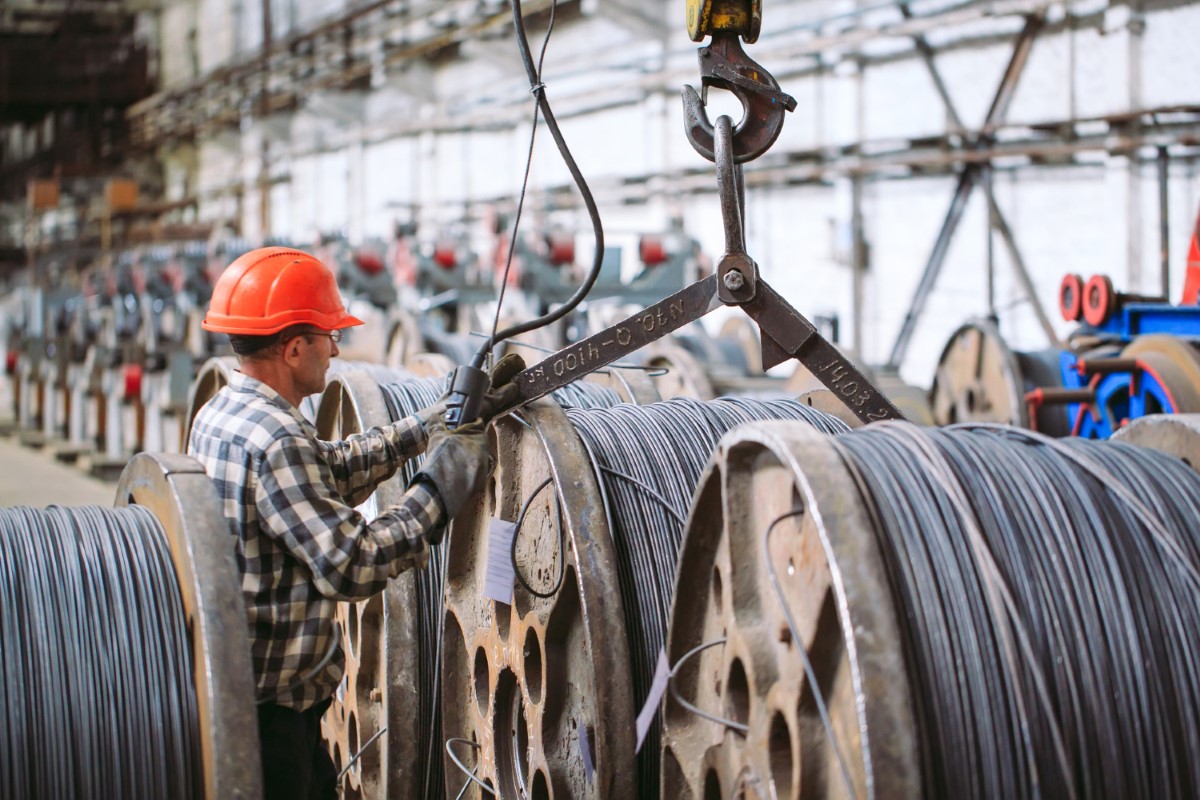
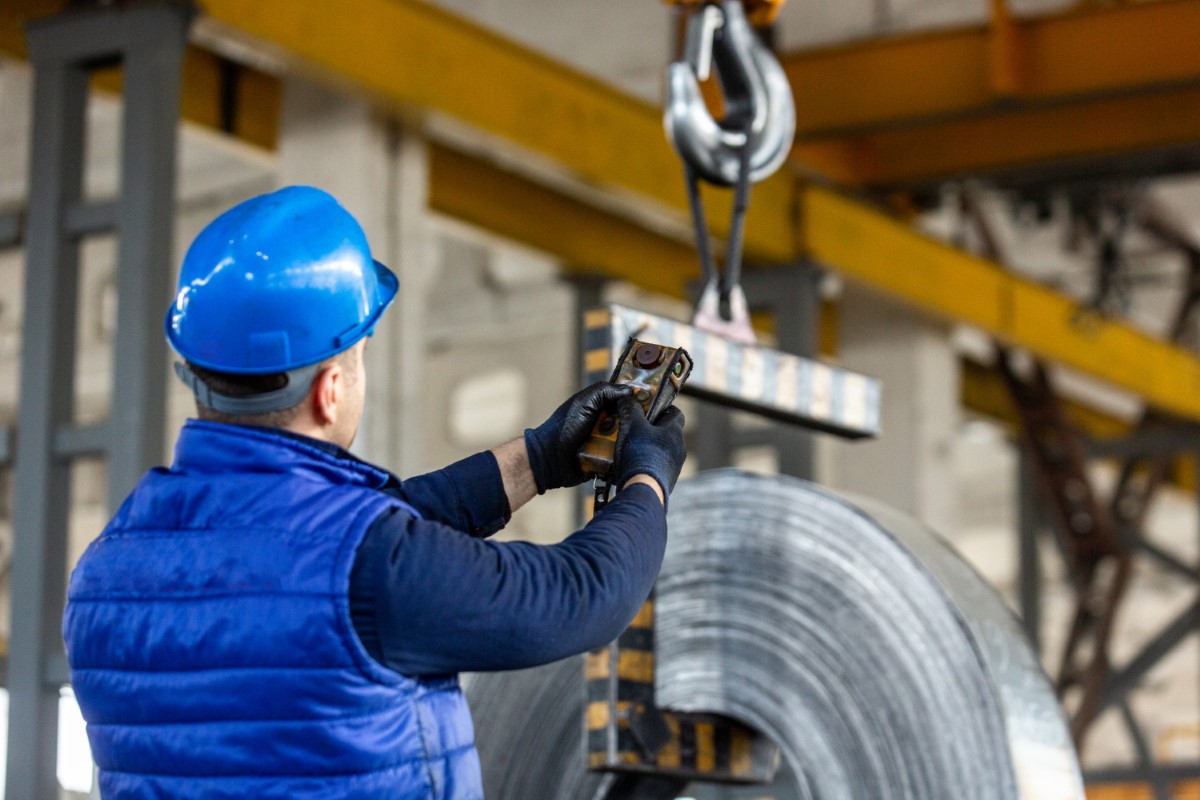
Proper load handling and rigging control during cable coil lifting, emphasizing risk awareness, communication and safe positioning during crane operations.
Who should attend the Crane Equipment Operator Training Course?
In construction environments, crane operations involve multiple roles that influence safety outcomes, not only the individual at the controls. Therefore, this course is structured for professionals who participate in planning, supervision and decision-making related to lifting activities, requiring a solid theoretical understanding of risks and safety principles.
Additionally, the course supports those who must evaluate conditions, authorize operations and intervene when unsafe situations arise. By reinforcing technical judgment and risk awareness, it helps ensure that responsibilities are exercised with consistency and safety focus.
When should theoretical crane operator training be conducted?
The effectiveness of crane safety training depends strongly on timing. When theoretical knowledge is delivered at the right moment, it prevents exposure to unmanaged risks and strengthens safe behavior before incidents can occur.
| Situation | Recommended Timing |
|---|---|
| New professionals entering crane-related activities | Before any operational involvement |
| Change of equipment or work conditions | Prior to the new activity |
| After incidents or near misses | Immediately, as corrective reinforcement |
| Periodic safety reviews | At defined intervals |
Crane Equipment Course NR18: Risk awareness is built before the crane starts moving
Safe lifting operations begin long before any mechanical movement takes place. Early risk awareness allows hazards to be identified, evaluated and controlled while decisions can still be adjusted.
Identification of hazards before lifting
Analysis of load characteristics and environment
Evaluation of protections and limitations
Definition of safe operational boundaries
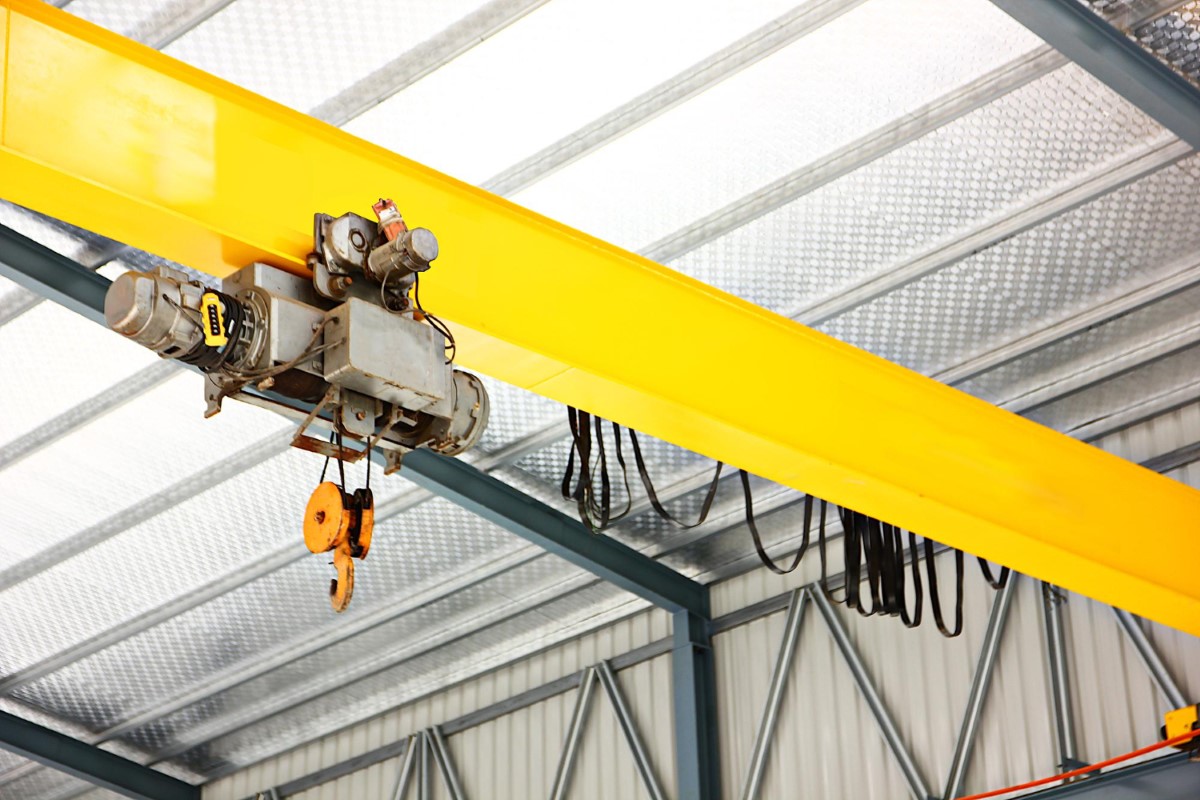
Overhead crane system highlighting structural components, lifting mechanism and the importance of understanding load limits and suspended load risks in construction environments.
Why is theoretical knowledge essential even for experienced operators?
Although experience improves intuition, it does not replace technical understanding. Theory provides the structure needed to interpret complex scenarios, recognize hidden hazards and understand how failures develop under specific conditions.
Furthermore, theoretical knowledge supports consistent decision-making during unexpected events. Instead of relying solely on habit, experienced professionals can apply proven safety principles, reducing uncertainty and preventing critical errors.
Where do most crane-related risks originate?
Crane-related risks rarely arise from a single isolated factor. In most cases, they result from the interaction between equipment condition, environmental factors and human behavior.
| Risk Source | Typical Examples |
|---|---|
| Equipment | Mechanical failure, worn components |
| Environment | Poor ground conditions, wind |
| Organization | Lack of planning, unclear communication |
| Human factors | Misjudgment, overconfidence |
Crane Equipment Course NR18: Safe operations depend on planning, communication and control
Consistent safety in crane operations is achieved through coordinated actions rather than individual effort. Clear planning, effective communication and active control form the foundation of safe lifting activities.
Structured operational planning
Clear communication between team members
Control of access and exclusion zones
Continuous monitoring of conditions
How does the course contribute to accident prevention in construction sites?
The course contributes by shifting the focus from reactive responses to proactive risk management. Participants learn to recognize unsafe conditions early, understand the role and limits of protections and evaluate operational decisions before execution.
As a result, this structured approach reduces incident probability, improves operational discipline and reinforces a preventive mindset aligned with NR 18, supporting safer and more controlled construction environments.
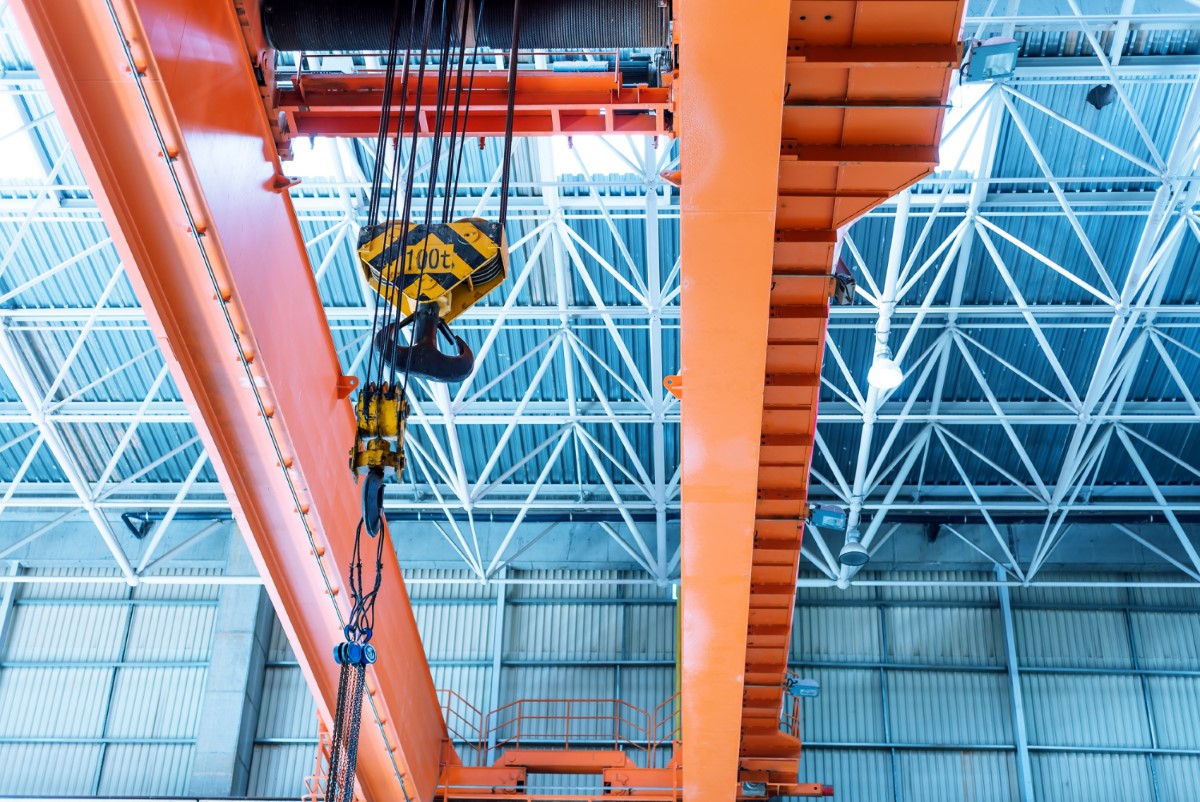
Bridge crane operating inside an industrial facility, illustrating critical safety concepts related to overhead movement, exclusion zones and suspended load control.
What is the important of the Crane Equipment Course NR18?
The importance of the Crane Equipment Course NR18 lies in its role in building a solid theoretical foundation for safe decision-making in lifting operations within construction environments. By addressing risk recognition, protection systems and safe working principles, the course enables professionals to anticipate hazardous situations, understand operational limits and reduce the likelihood of accidents caused by misjudgment, poor planning or overconfidence.
In addition, the course is essential for aligning professional practice with the requirements established by NR 18, which governs crane and lifting activities in construction sites. Through this alignment, participants strengthen their safety culture, improve operational discipline and contribute directly to safer worksites, protecting both people and assets.
Click the Link: Criteria for Issuing Certificates in accordance with the Standards
Certificate of Completion
Crane Equipment Operator Course
CRANE EQUIPMENT OPERATOR TRAINING COURSE NR 18 – SAFETY AND HEALTH CONDITIONS AT WORK IN THE CONSTRUCTION INDUSTRY
Course Load: 80 Hours
Module 1 – Fundamentals of Safety and Responsibility (6 Hours)
General principles of occupational safety applied to crane operations
Roles and responsibilities of operators, supervisors and organizations
Concepts of safe work and risk perception
Consequences of unsafe acts and unsafe conditions
Professional conduct and decision-making in critical situations
Module 2 – Crane Equipment Classification and Characteristics (6 Hours)
Types of crane equipment used in construction activities
General description of structural components
Theoretical principles of crane operation
Rated capacity, load charts and operational limits
Common construction scenarios involving crane equipment
Module 3 – Risk Identification and Hazard Recognition (8 Hours)
Description and identification of risks associated with crane equipment
Mechanical hazards
Electrical hazards
Structural instability and overturning risks
Load handling and suspended load hazards
Environmental and surrounding area risks
Human factors and organizational risks
Module 4 – Safety Protections and Safety Devices (6 Hours)
Types of safety protections applied to crane equipment
Collective protection systems
Warning, alarm and signaling devices
Blocking and interlocking systems
Limiters and control mechanisms
Theoretical evaluation of protection effectiveness
Module 5 – Operation and Proper Use of Protections (6 Hours)
Principles for correct use of safety protections
Functioning logic of protection systems
Limitations and operational boundaries of protections
Risks arising from improper use or neglect
Behavioral factors influencing protection effectiveness
Module 6 – Removal, Damage and Failure of Protections (6 Hours)
Risks associated with removal of safety protections
Analysis of damaged or compromised protections
Failure modes of safety devices
Operational consequences of working without protections
Reporting and communication of unsafe conditions
Module 7 – Mechanical, Electrical and Associated Risks (6 Hours)
Mechanical risk scenarios in crane operations
Electrical hazard situations
Interaction between crane equipment and external energy sources
Environmental influences on risk exposure
Preventive concepts for risk reduction
Module 8 – Safe Working Methods and Operational Planning (6 Hours)
Concept of safe working methods
Task planning and sequencing
Work authorization concepts
Communication and coordination during operations
Control of access and isolation of work areas
Module 9 – Blocking, Inspection and Maintenance Concepts (6 Hours)
Concept of operational blocking systems
Importance of isolation before inspection and maintenance
Inspection principles and visual checks
Cleaning and lubrication concepts
Maintenance awareness and risk prevention
Module 10 – Traffic, Signage and Workplace Circulation (6 Hours)
Notions of traffic rules applicable to construction environments
Internal circulation and vehicle interaction
Safety signage principles
Visual communication and standard signals
Prevention of collision and run-over risks
Module 11 – Accidents, Occupational Diseases and Risk Control Measures (6 Hours)
Basic concepts of work-related accidents
Typical accidents involving crane equipment
Health effects of exposure to mechanical and physical risks
Risk control strategies
Collective protection measures
Personal protection measures
Module 12 – Emergency Procedures and First Aid Awareness (6 Hours)
Emergency situations involving crane operations
Immediate response principles
Evacuation and isolation concepts
Notions of first aid
Importance of preparedness and calm response
Module 13 – Means of Access to Machinery and Equipment (4 Hours)
Safe access concepts for machinery and equipment
Ladders, platforms and walkways
Fall prevention principles
Risk awareness during access and movement
Completion and Certification:
Practical Exercises (when contracted);
Evidence Records;
Theoretical Evaluation;
Practical Evaluation (when contracted);
Certificate of Participation.
NOTE:
We emphasize that the General Normative Program Content of the Course or Training may be modified, updated, supplemented, or have items excluded as deemed necessary by our Multidisciplinary Team. Our Multidisciplinary Team is authorized to update, adapt, modify, and/or exclude items, as well as insert or remove Standards, Laws, Decrees, or technical parameters they consider applicable, whether related or not. The Contracting Party is responsible for ensuring compliance with the relevant legislation.
Crane Equipment Operator Course