Technical Name: MANUAL TUBULÃO EXCAVATION ACTIVITIES TRAINING COURSE NR 18 – SAFETY AND HEALTH CONDITIONS IN THE CONSTRUCTION INDUSTRY
Reference: 171060
We provide courses and training; We perform Translations and Versions in Technical Language: Portuguese, English, Spanish, French, Italian, Mandarin, German, Russian, Swedish, Dutch, Hindi, Japanese and others consult.
Caisson Excavation Course English
The purpose of the Caisson Excavation Course English is to develop technical competence to perform manual caisson excavations with precision, safety, and operational control. As the participant progresses, they understand how soil conditions, wall stability, and atmospheric behavior directly influence the integrity of the activity. This understanding enhances decision-making and strengthens the ability to recognize, assess, and mitigate risks inherent to deep and restricted environments.
In addition, the training aims to consolidate safe practices aligned with the requirements established by NR 18, expanding critical awareness regarding access procedures, ventilation, monitoring, and rescue. By integrating technical principles with real construction scenarios, the course prepares the professional to operate autonomously and responsibly, ensuring regulatory compliance and high performance in manual caisson excavation.

Precision excavation requires full control of soil behavior and safe operational techniques during every stage of manual and mechanical digging.
Who is responsible for ensuring operational safety during manual tubulão excavation?
Operational safety depends primarily on the employer, who must provide planning, supervision and technical controls throughout the excavation process. As the shaft deepens, the risks intensify, requiring structured oversight, trained personnel and well-defined protective measures. This strategic coordination ensures that decisions remain consistent with safe engineering practices.
The worker, however, is equally responsible for maintaining discipline in operational procedures, reporting anomalies and respecting environmental limits. When employer and worker act in alignment, the excavation becomes more predictable, the risk level decreases and the entire system operates with greater efficiency and reliability.
When should atmospheric monitoring be performed inside a tubulão?
Atmospheric monitoring requires a proactive mindset because a deep vertical shaft reacts quickly to changes in soil conditions, ventilation patterns and internal gas formation; therefore, establishing structured checkpoints allows the team to anticipate hazards and maintain a consistently safe internal environment.
Atmospheric Monitoring Moments
| Moment of Evaluation | Purpose |
|---|---|
| Before initial entry | Confirm safe atmospheric conditions for descent |
| During excavation | Detect atmospheric changes caused by soil, gases or dust |
| After any pause | Check for possible accumulation or displacement of gases |
| Before rescue operations | Ensure a safe atmosphere for the rescue team |
Caisson Excavation Course English: A manual tubulão can become a confined space
A tubulão becomes a confined space when its depth, limited ventilation and narrow geometry create conditions that restrict movement, retain gases and require strict environmental control.
Depth that restricts body movement
Insufficient natural ventilation
Potential presence of heavy or stagnant gases
Restricted vertical access
Rescue difficulty without specialized systems
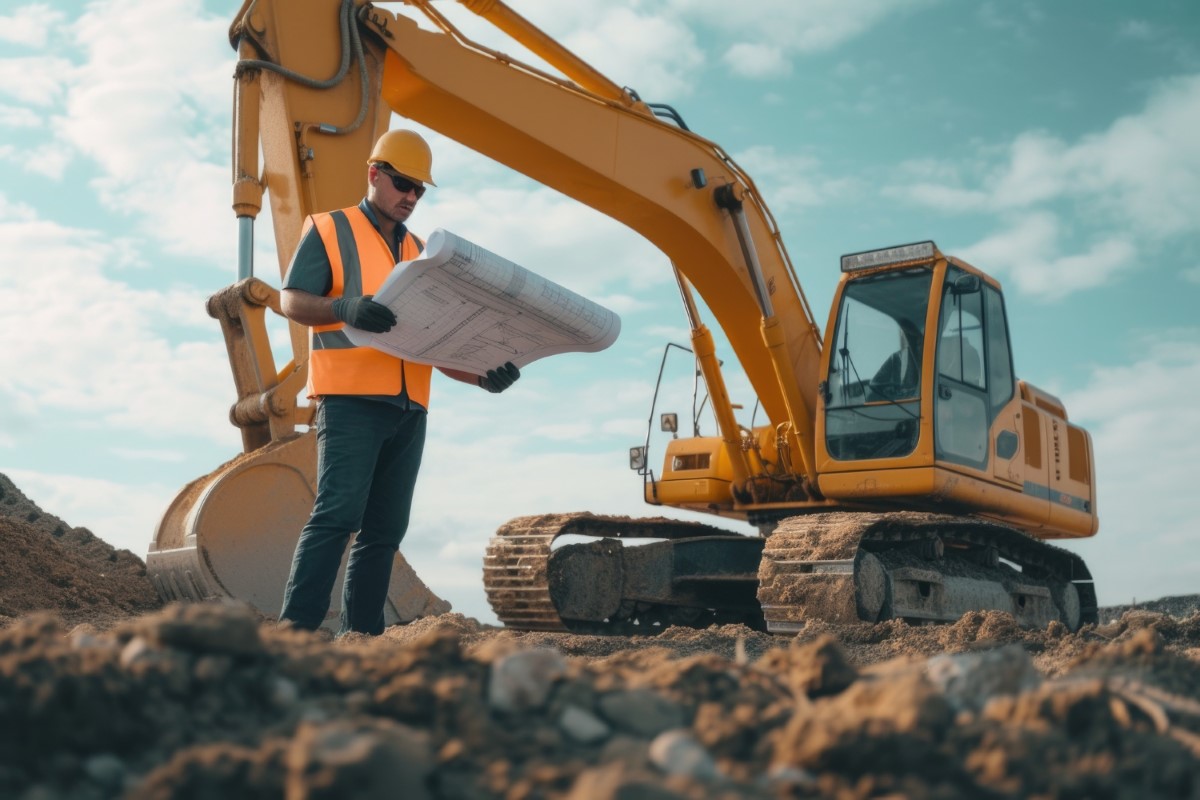
Construction planning strengthens excavation safety by integrating geotechnical evaluation, risk identification and structured field execution.
Why does soil behavior change rapidly during manual excavation?
Soil behavior shifts because excavation removes natural confinement pressure, altering the equilibrium of surrounding layers. As the worker cuts and advances downward, vibrations, moisture and tool impact progressively weaken cohesion, making the soil more susceptible to deformation or collapse.
These changes may appear gradual but can reach a critical state with little warning. Understanding this dynamic allows workers to anticipate instability and apply preventive adjustments that safeguard both structural integrity and overall excavation safety.
Where should rescue planning focus during tubulão excavation activities?
Rescue planning must prioritize geometric restrictions, atmospheric variability and challenges of vertical access, since each of these elements directly determines the feasibility, speed and safety of removing a worker from a deep shaft under emergency conditions.
Rescue Planning Focus Points
| Planning Focus | Purpose |
|---|---|
| Safe vertical access | Ensure rapid and stable extraction |
| Controlled internal atmosphere | Prevent exposure to gases or oxygen deficiency |
| Specific equipment | Match lifting and protection systems to the environment |
| Trained rescue teams | Guarantee precise and coordinated response |
Caisson Excavation Course English: Rescue operations require immediate vertical coordination
Vertical rescue demands immediate coordination because limited space, restricted mobility and unpredictable atmospheric conditions require fast decisions and perfect synchronization between the surface team and the worker located inside the shaft.
Instant assessment of the scenario
Direct communication with the surface
Use of appropriate lifting systems
Victim stabilization before ascent
Continuous atmospheric control
What elements determine safe access and egress inside a manual tubulão?
Safe access depends on stable structural support, reliable anchorage points and controlled descent systems that keep the worker aligned and protected throughout movement. These elements work together to prevent falls, entrapment or impact inside the narrow shaft.
Egress safety requires uninterrupted vertical pathways, monitored atmospheric conditions and readiness for emergency retrieval. When these factors operate cohesively, the worker maintains full situational awareness, and the entire excavation process proceeds with greater precision and regulatory consistency.
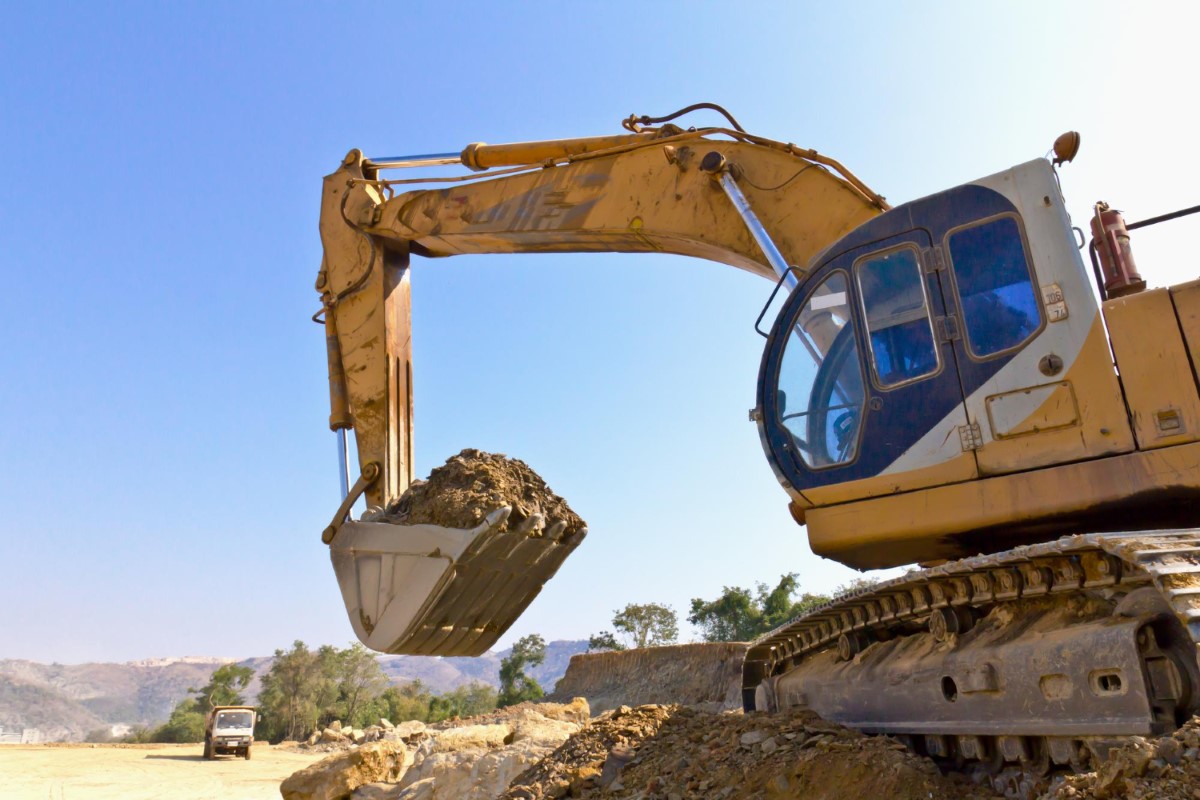
Stable earth removal depends on consistent equipment handling and continuous assessment of ground conditions to prevent collapse.
What is the important of Caisson Excavation Course English?
The importance of the Caisson Excavation Course English lies in its ability to prepare workers to safely perform manual tubulão excavation, an activity that demands precise control of soil behavior, atmospheric conditions and access limitations. As participants advance, they gain a deeper understanding of how structural and environmental variables interact inside a deep, narrow shaft, allowing them to identify hazards early and make informed operational decisions. This awareness strengthens technical judgment and elevates the worker’s ability to maintain stability and prevent collapse during excavation.
Additionally, the course ensures full alignment with the requirements established by NR 18, which defines mandatory procedures for safe excavation, access systems, supervision and environmental control. By internalizing these principles, workers become capable of maintaining regulatory compliance while applying best practices that reduce accidents, optimize work execution and reinforce the safety culture essential for excavation activities in construction environments.
Click the Link: Criteria for Issuing Certificates in accordance with the Standards
Certificate of Completion
Deep Fundation Excavation Course
MANUAL TUBULÃO EXCAVATION ACTIVITIES TRAINING COURSE NR 18 – SAFETY AND HEALTH CONDITIONS IN THE CONSTRUCTION INDUSTRY
Course Load: 24 Hours
Module 1 – General Concepts of Manual Excavation (4 hours)
Characteristics of manually excavated shafts
Requirements for diameter, depth and preliminary studies
Soil behavior and ground stability fundamentals
Conditions required for safe initiation of excavation
Recognition of early warning signs of collapse
Criteria for excavation above or below water level
Water control, infiltration management and operational limits
Module 2 – Ground Stability, Collapse Prevention and Environmental Influences (4 hours)
Mechanisms that lead to wall failure in deep shafts
Identification of unstable soil conditions
Influence of vibration, load, humidity and adjacent structures
Environmental factors that increase collapse probability
Operational measures to maintain stability throughout excavation
Module 3 – Occupational Risks and Preventive Control Measures (4 hours)
Identification of physical, chemical, biological, ergonomic and mechanical risks
Assessment methods for deep and restricted environments
Preventive strategies for hazard control
Integration of protective measures into operational routines
Recognition of unsafe behaviors and corrective actions
Module 4 – Confined Space Atmospheric Hazards and Monitoring (4 hours)
Characteristics of hazardous atmospheres
Oxygen deficiency, toxicity and flammability principles
Atmospheric stratification and gas displacement in vertical shafts
Procedures for continuous atmospheric monitoring
Interpretation of readings and decision-making thresholds
Module 5 – Entry Authorization, Isolation Procedures and Documentation (4 hours)
Purpose and structure of the Entry and Work Permit
Authorization flow for personnel entering shafts
Isolation procedures: locking, blocking, sealing and labeling
Documentation requirements for operational traceability
Worker responsibilities during the authorization process
Module 6 – Rescue Planning, Emergency Reasoning and First Response (4 hours)
Requirements for a rescue and removal plan
Recognition of emergency conditions
Communication and alarm activation principles
Fundamentals of first response in excavation scenarios
Safe extraction logic to avoid additional victims
Coordination between surface and internal rescue actions
Completion and Certification:
Practical Exercises (when contracted);
Evidence Records;
Theoretical Evaluation;
Practical Evaluation (when contracted);
Certificate of Participation.
NOTE:
We emphasize that the General Normative Program Content of the Course or Training may be modified, updated, supplemented, or have items excluded as deemed necessary by our Multidisciplinary Team. Our Multidisciplinary Team is authorized to update, adapt, modify, and/or exclude items, as well as insert or remove Standards, Laws, Decrees, or technical parameters they consider applicable, whether related or not. The Contracting Party is responsible for ensuring compliance with the relevant legislation.
Deep Fundation Excavation Course