Reference: 55594
NR33 Confined Spaces Training
The objective of the NR33 Confined Spaces Training is to provide workers with solid theoretical knowledge to safely perform activities in confined spaces, focusing on hazard recognition, risk assessment, and preventive control measures. Through a structured and technical approach, the training develops the ability to identify physical, chemical, biological, and ergonomic risks, while reinforcing the correct interpretation of safety procedures, permits, and protection systems applicable to confined environments. As a result, participants strengthen their situational awareness and decision making before, during, and after confined space activities.
Moreover, the course aims to ensure full compliance with NR 33, which is the principal regulatory standard governing these activities. By aligning legal requirements with practical understanding, the training promotes a proactive safety culture, reduces the likelihood of accidents such as asphyxiation and entrapment, and supports organizations in meeting their occupational health and safety obligations. Consequently, workers become more prepared to act responsibly, consistently, and in accordance with current regulatory standards.
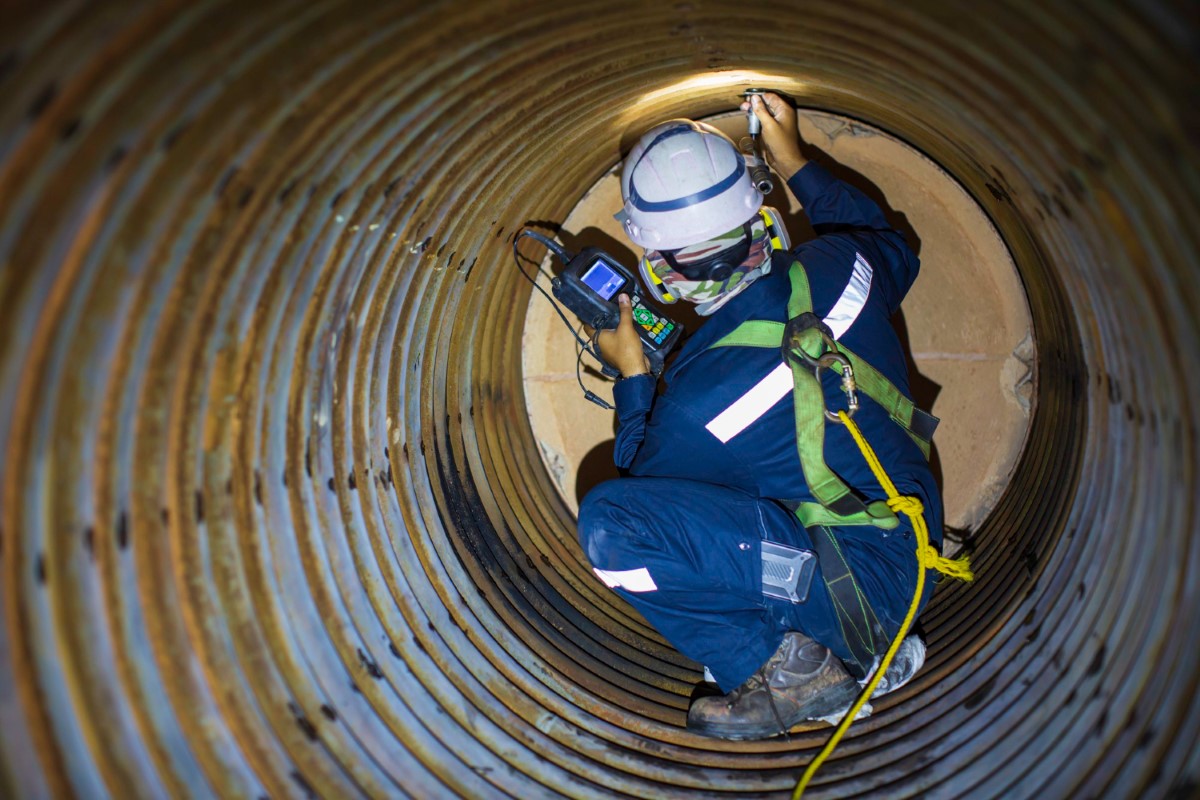
Safe work in confined spaces depends on coordinated teamwork, controlled access, and constant monitoring of environmental conditions to avoid asphyxiation and entrapment.
Who must attend confined space safety training?
Confined space safety training must be attended by all workers who perform activities in confined spaces, regardless of job title or duration of exposure. This includes authorized entrants, attendants, supervisors, and any personnel involved in planning or supporting confined space operations. By doing so, organizations ensure that every individual understands the hazards and responsibilities associated with these environments.
Moreover, the training reinforces legal compliance and risk awareness by aligning worker competence with the requirements of NR 33. Consequently, trained workers are better prepared to recognize unsafe conditions, follow established procedures, and prevent incidents before they escalate into serious accidents.
When is confined space training required?
Confined space training is required before a worker is authorized to enter or work in a confined space and whenever there are changes in procedures, hazards, or equipment. In addition, refresher training becomes necessary when incidents occur or when risk assessments identify new exposure scenarios.
Below is a summary of common situations that require training:
| Situation | Training Requirement |
|---|---|
| First assignment in confined space | Initial training before entry |
| Change in task or process | Updated training |
| Introduction of new hazards | Additional training |
| Incident or near miss | Retraining |
| Regulatory or procedural updates | Training review |
NR33 Confined Spaces Training: Confined spaces present immediate and severe risks
Confined spaces create high risk scenarios due to restricted access, limited ventilation, and rapidly changing atmospheric conditions. Therefore, understanding these risks is essential to prevent sudden and fatal incidents.
Main risk factors include
Limited oxygen availability
Accumulation of toxic or flammable substances
Restricted movement and difficult escape routes
Lack of natural ventilation
Delayed emergency response
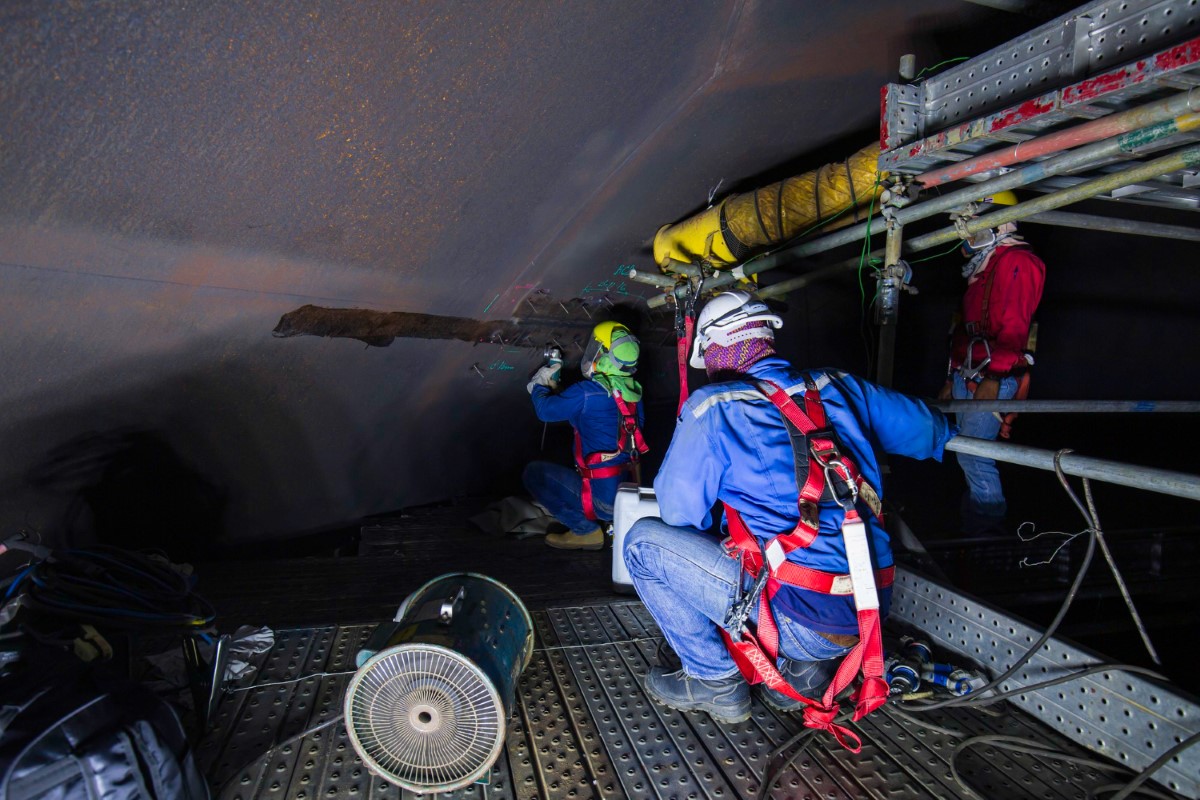
Working inside confined environments demands effective ventilation, fall protection systems, and disciplined adherence to safety protocols to control multiple simultaneous risks.
Why is risk assessment essential before entering a confined space?
Risk assessment is essential because it allows hazards to be identified, evaluated, and controlled before exposure occurs. By systematically analyzing atmospheric conditions, physical constraints, and task-related risks, workers and supervisors can define effective control measures and prevent unpredictable scenarios.
Furthermore, risk assessment supports compliance with NR 33 by ensuring that entry permits, protective equipment, and emergency plans are based on real conditions rather than assumptions. As a result, organizations significantly reduce the probability of accidents and improve overall operational safety.
Where are confined spaces commonly found in the workplace?
Confined spaces are found in multiple industrial and construction environments, often in locations not immediately recognized as hazardous. Therefore, workers must be trained to identify them correctly.
Common examples include:
| Sector | Typical Confined Spaces |
|---|---|
| Construction | Shafts, pits, tanks |
| Industry | Silos, vessels, reactors |
| Utilities | Manholes, tunnels |
| Maintenance | Boilers, pipelines |
| Storage | Underground reservoirs |
NR33 Confined Spaces Training: Human factors directly influence confined space safety
Human behavior plays a decisive role in confined space safety, especially under pressure and unfamiliar conditions. Consequently, perception, emotion, and decision making can either prevent or trigger serious accidents.
Key human factors include
Fear and stress responses
Overconfidence due to routine exposure
Risk habituation over time
Fatigue and reduced attention
Improper interpretation of warning signs
What is the role of the Entry and Work Permit in confined space activities?
The Entry and Work Permit plays a critical role by formally authorizing access only after all hazards have been identified and controlled. It ensures that atmospheric testing, equipment inspection, communication, and emergency preparedness are verified before entry occurs.
Additionally, the permit functions as an active safety barrier rather than administrative paperwork. When correctly applied, it enforces discipline, accountability, and continuous monitoring, thereby supporting compliance with NR 33 and significantly reducing the risk of serious incidents.
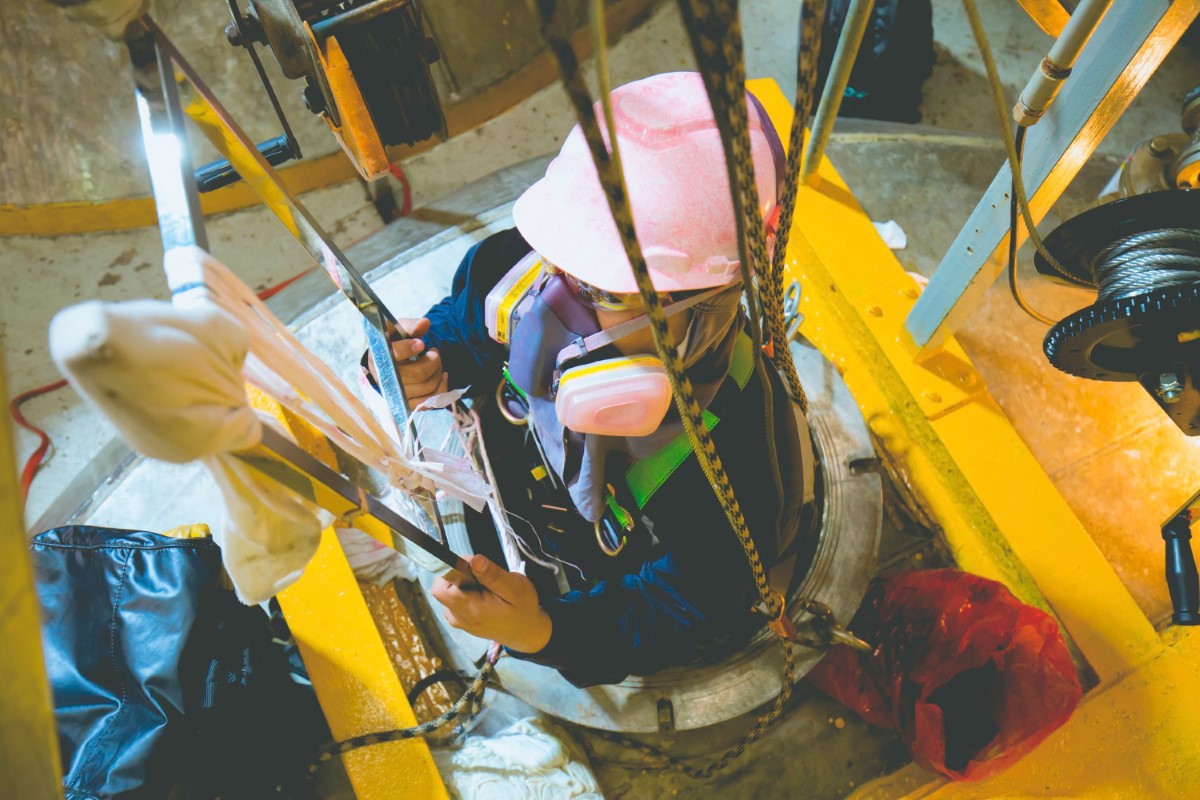
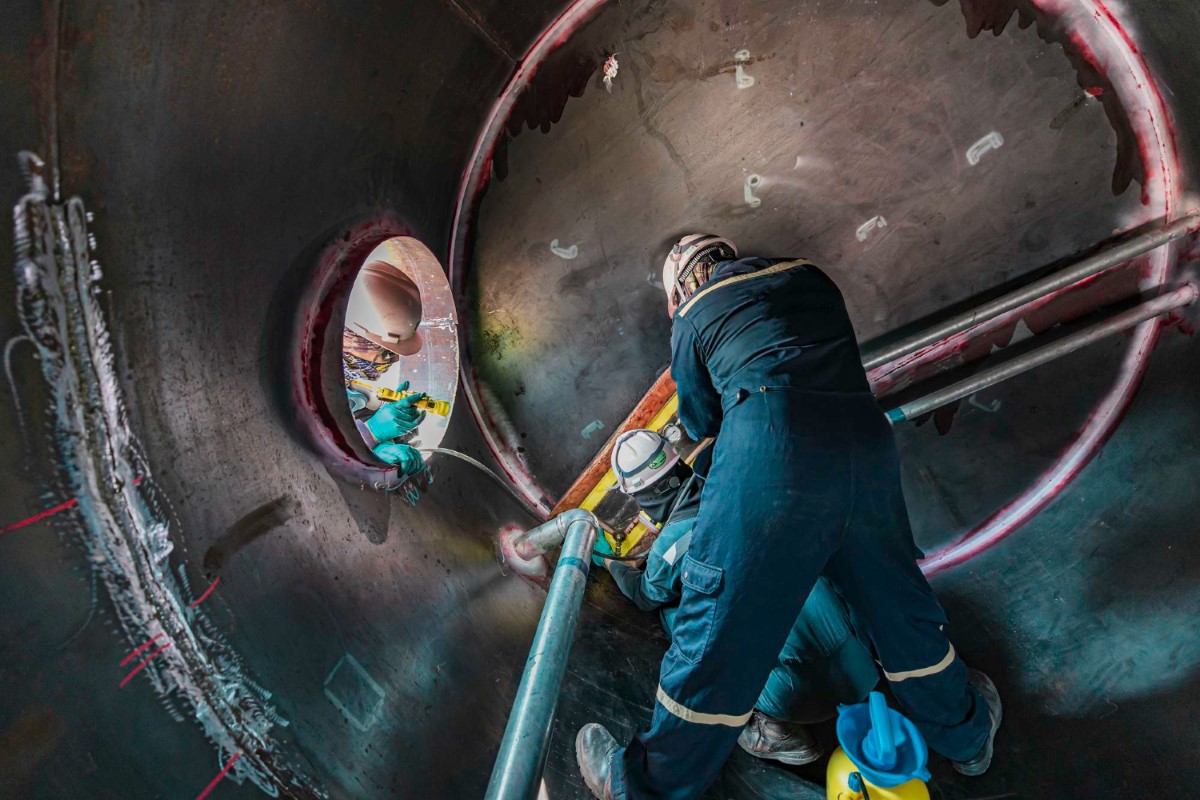
Confined space entry requires continuous risk awareness, proper respiratory protection, and strict compliance with entry permit procedures to prevent sudden atmospheric hazards.
What is the important of the NR33 Confined Spaces Training?
The importance of the NR33 Confined Spaces Training lies in its role in preventing serious and fatal accidents in confined spaces by ensuring that workers understand the hazards before exposure occurs. Through structured theoretical training, participants develop the ability to recognize atmospheric, physical, chemical, biological, and ergonomic risks, while applying appropriate control measures and safe work procedures. As a result, the course strengthens risk perception, improves decision making, and reduces unsafe behaviors that commonly lead to incidents such as asphyxiation, entrapment, and emergency response failures.
Furthermore, the course is essential for legal and regulatory compliance, as it is directly aligned with NR 33, the principal standard governing these activities. By meeting NR 33 requirements, organizations demonstrate due diligence, reinforce a proactive safety culture, and protect both workers and employers from operational, legal, and reputational consequences. Consequently, the training becomes a critical barrier for accident prevention and a fundamental element of occupational health and safety management systems.
Click the Link: Criteria for Issuing Certificates in accordance with the Standards
Certificate of Completion
NR33 Confined Spaces Training
TRAINING FOR WORKERS WHO PERFORM ACTIVITIES IN CONFINED SPACES IN ENGLISH
Course Load: 16 Hours
MODULE 1 – Fundamentals of Confined Space Safety (2 Hours)
Concept and definition of confined spaces
Characteristics and classification of confined spaces
Confined spaces in the construction industry
Legal responsibilities of workers and employers
Overview of occupational health and safety principles
Introduction to accident prevention culture
MODULE 2 – Applicable Legislation and Standards (2 Hours)
Regulatory Standard NR 33 – Safety and Health in Confined Spaces
Interpretation of legal and normative requirements
Employer and worker duties under Brazilian labor legislation
Civil, administrative, and criminal liabilities
MODULE 3 – Hazard Identification and Risk Recognition (2 Hours)
Imminent hazards in confined space activities
Physical risks
Chemical risks
Biological risks
Ergonomic risks
Atmospheric hazards
Oxygen-deficient and oxygen-enriched environments
Recognition of potential accident scenarios
MODULE 4 – Risk Assessment and Control Measures (2 Hours)
Risk assessment concepts and methodology
Evaluation and control of confined space risks
Hierarchy of control measures
Engineering controls
Administrative controls
Operational procedures
Collective Protection Equipment (EPCs)
Criteria for selection and use of safety equipment
MODULE 5 – Safety Equipment and Protection Systems (2 Hours)
Personal Protective Equipment (PPE)
Fall protection systems
Respiratory protection
Respiratory Protection Program
Protection against confinement and engulfment
Operation principles of safety equipment
Functionality and limitations of protection systems
Daily inspection requirements for safety equipment
MODULE 6 – Work Authorization and Operational Procedures (2 Hours)
Entry Permit and Work Permit systems
Permit to Enter and Work (PET)
Safe work procedures in confined spaces
Monitoring and supervision requirements
Area classification concepts
Communication and signaling procedures
Operational discipline and compliance
MODULE 7 – Emergency Response and Accident Analysis (2 Hours)
Emergency response procedures
Accidents involving asphyxiation
Initial response to confined space incidents
Basic notions of rescue in confined spaces
Emergency communication protocols
Principles of first aid in confined space scenarios
Accident investigation and lessons learned
MODULE 8 – Human Factors, Ergonomics, and Risk Perception (2 Hours)
Risk perception and influencing factors
Behavioral factors impacting safety
The fear factor and decision-making under stress
Consequences of risk habituation
Importance of task knowledge and situational awareness
Basic ergonomics concepts
Workstation analysis
Manual handling of loads and posture
Ergonomic risk Prevention
Completion and Certification:
Practical Exercises (when contracted);
Evidence Records;
Theoretical Evaluation;
Practical Evaluation (when contracted);
Certificate of Participation.
NOTE:
We emphasize that the General Normative Program Content of the Course or Training may be modified, updated, supplemented, or have items excluded as deemed necessary by our Multidisciplinary Team. Our Multidisciplinary Team is authorized to update, adapt, modify, and/or exclude items, as well as insert or remove Standards, Laws, Decrees, or technical parameters they consider applicable, whether related or not. The Contracting Party is responsible for ensuring compliance with the relevant legislation.
NR33 Confined Spaces Training