Nome Técnico: TRAINING COURSE NR-11 SAFETY IN FORKLIFT OPERATION
Referência: 197824
We provide courses and training; We carry out Translations and Versions in Technical Language: Portuguese, English, Spanish, French, Italian, Mandarin, German, Russian, Swedish, Dutch, Hindi, Japanese and others consult
Forklift Course
How is the Forklift Course?
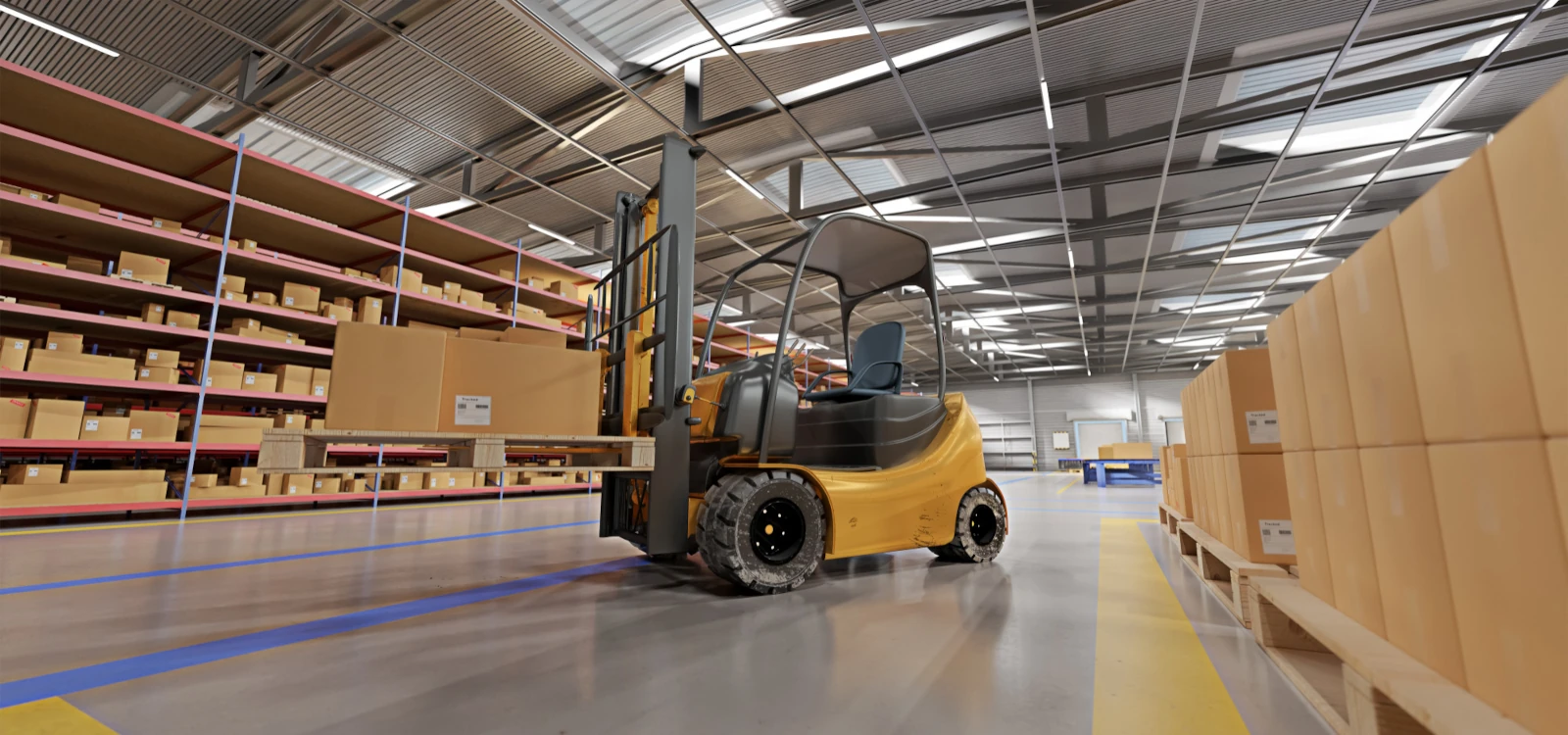
The Forklift Course aims to provide technical knowledge on transport, movement, storage and handling of materials using an electric forklift , LPG forklift or diesel forklift as recommended by NR 11 , logically that each type of forklift is a training to be be administered according to the Instruction Manual for each Machine or Equipment.
What is Forklift?
Industrial vehicle that moves the transport of cargo volumes. The most used forklifts are: electric and combustion (LPG and Diesel).
What are the Main Types of Forklifts?
Internal combustion forklift;
Electric counterbalance forklift;
Retractable forklift;
Side Fork Forklift;
Forklift for rough terrain;
Reach forklift;
It is worth mentioning that the Training must be specific for each equipment , according to model, brand, type and year.
(a) The Instructors are Engineers who master the Technical languages in Portuguese, German and English, Mandarin, Spanish, among others with international know-how and active Passports.
(b) All Professionals have mandatory Occupational Safety Training NR 10, NR 35, NR 33, NR 12, among others, updated and valid.
(c) Upon completion, certificates of participation and achievement will be issued, signed with electronic digital signatures by legally qualified professionals with active CREA:
Work Safety Engineer (Technical Responsible) with active CREA /ART;
Engineer. Electric/Sec. Work (Instructor) with active CREA /ART;
Occupational Physician with active CRM;
Technical Instructor for Fire Fighting, First Aid and Chemical Emergencies;
Click on the Link: Criteria for Issuing Certificates according to the Norms
Treinamento Livre Profissionalizante Noções Básicas (Não substitui Formação Acadêmica ou Ensino Técnico)Certificado de conclusão
Forklift Course
Normative Programmatic Content:
Terms and definitions;
Care when using a forklift;
Forklift knowledge;
Forklift transport;
Storage;
Preparation before use;
Operation, use and safety:
Analysis of the instruction and operation manual;
Profile and responsibilities of the Operator;
Basic principles of operation;
Driving and Operation;
Use of New Equipment;
Connection Between Load and Stability;
Load Center and Load Curve;
Parts and operation of the machine;
Loading and unloading of goods;
Preparation Before the Operation;
Direction;
Forklift types;
Maneuvers/Balance Point;
Load Center: Capacity;
Incidents, accidents, cause and consequences;
Chargers, batteries, recharges, installation and care;
Components;
Mechanical, hydraulic, electrical and power supply;
Safety problems;
Place of operation and work environment;
Climate conditions;
Security rules.
Complements for Machines and Equipment, when applicable:
Awareness of the Importance:
Machine or Equipment Operation Instruction Manual;
Machine or Equipment Inspection and Maintenance Plan following NR 12;
Technical Report with ART of the Machine or Equipment according to NR 12;
Load Test (with ART) according to NR 12;
NDT (Non-Destructive Tests) according to NR 12;
Electrical Tests NR 10;
Machinery and Equipment Tagging;
RETROFIT – Modernization Process;
Daily Checklist;
Occasional or cyclical maintenance.
Complements of the Activity – Awareness of the Importance:
APR (Preliminary Risk Analysis);
PE (Emergency Plan);
PGR (Risk Management Plan);
ORM (Occupational Risk Management);
Understanding the need for the Rescue Team – NBR 16710;
The Importance of task knowledge;
Accident prevention and first aid notions;
Fire protection – NBR 14276;
Perception of risks and factors that affect people’s perceptions;
Impact and behavioral factors on safety: Fear factor;
How to discover the fastest and easiest way to develop Skills;
How to control the mind while working;
How to administer and manage working time;
Why balance energy during activity in order to gain productivity;
Consequences of Habituation to Risk;
Causes of accidents at work;
Notions on Tree of Causes;
Understanding about Ergonomics, Workstation Analysis and Ergonomic Risks.
Basic notions of:
HAZCOM – Hazard Communication Standard;
HAZMAT – Hazardous Materials (Hazardous Materials);
HAZWOPER – Hazardous Waste Operations and Emergency Response;
PDCA Cycle (Plan-Do-Check-Act) – ISO 45001;
FMEA – Failure Mode and Effect Analysis;
SFMEA – Service Failure Mode and Effect Analysis;
PFMEA – Process of Failure Mode and Effects Analysis;
DFMEA – Design Failure Mode and Effect Analysis;
Analysis of failure modes, effects and criticality (FMECA);
Bow Tie Tool (Risk Management Process Analysis);
Accident Analysis Tool – TRIPOD Method;
Hazard Communication Standard (HCS (Hazard Communication Standard) – OSHA.
Practical Exercises:
Registration of Evidences;
Theoretical and Practical Assessment;
Certificate of participation.
NOTE:
We emphasize that the General Normative Programmatic Content of the Course or Training may be changed, updated, adding or deleting items as necessary by our Multidisciplinary Team.
Our Multidisciplinary Team is entitled to update, adjust, change and/or delete items, as well as insert or exclude Rules, Laws, Decrees or technical parameters that they deem applicable, whether related or not, and the Contracting Party is responsible for making the necessary calls. in accordance with the relevant legislation.