Technical Name: NR 06 PPE PERSONAL PROTECTIVE EQUIPMENT TRAINING COURSE
Reference: 170917
We provide Courses and Training; we perform Technical Language Translations and Versions: Portuguese, English, Spanish, French, Italian, Mandarin, German, Russian, Swedish, Dutch, Hindi, Japanese and others.
NR 06 PPE Course
The objective of the NR 06 PPE Course is to provide a solid theoretical foundation on the correct selection, use, control and management of Personal Protective Equipment, ensuring that workers understand not only how PPE must be used, but also why it is essential within the hierarchy of occupational risk controls. By doing so, the course strengthens risk awareness, improves decision-making in hazardous environments and reinforces compliance with legal and technical requirements established by NR 06.
Furthermore, the course aims to develop a clear understanding of employer and employee responsibilities, as well as the technical criteria behind PPE certification, conservation and replacement. As a result, participants become capable of recognizing limitations, avoiding misuse and preventing exposure caused by inadequate protection, while maintaining alignment with NR 06, which governs PPE obligations, control and effectiveness in the workplace.
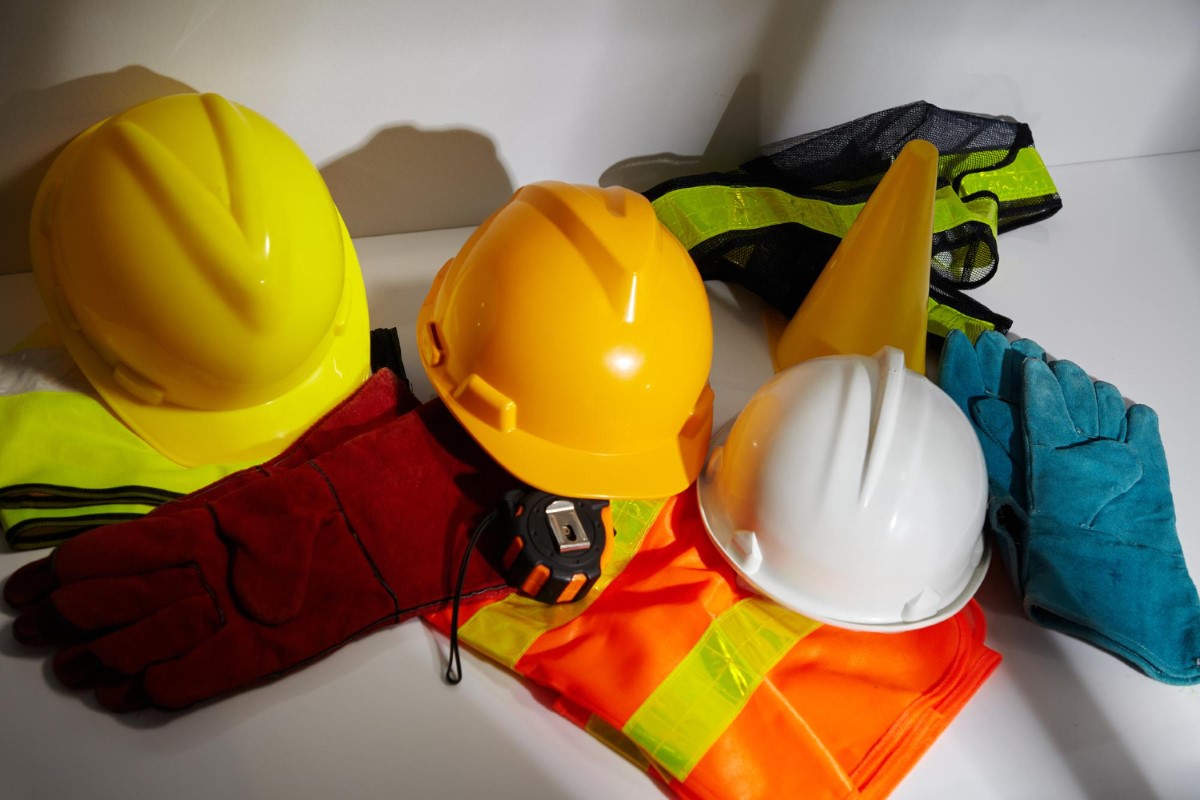
Helmets, gloves, protective clothing and visibility equipment illustrate how PPE protects different body regions when engineering and administrative controls are not sufficient.
Who is responsible for ensuring the correct use of Personal Protective Equipment in the workplace?
In occupational safety, responsibility does not rest on a single role; instead, it is built through a structured division of duties. Understanding who initiates, enforces and sustains PPE use is essential to ensure that protection is not merely symbolic, but operationally effective.
The employer holds the primary responsibility by identifying hazards, selecting appropriate PPE, providing it free of charge and ensuring proper training. At the same time, the employee is responsible for correct use, care and communication of deficiencies. This shared accountability framework, defined by NR 06, ensures that PPE functions as an active control measure rather than a procedural formality.
When should Personal Protective Equipment be selected and implemented?
Timing is a decisive factor in PPE effectiveness. Selecting PPE too late or without proper risk analysis compromises its protective purpose and exposes workers to unnecessary hazards.
PPE Selection Timing and Criteria
| Stage | Description |
|---|---|
| Risk Identification | Recognition of physical, chemical, biological or mechanical hazards |
| Risk Evaluation | Analysis of exposure level and severity |
| PPE Selection | Choice based on hazard type and protection class |
| Implementation | Distribution, training and control |
NR 06 PPE Course: PPE is the last barrier in the hierarchy of risk controls
Within occupational safety strategies, PPE occupies a specific and limited position. It acts only after other control measures have been applied and residual risks remain.
Introduction to key aspects
PPE as a complementary control measure
Dependence on human behavior
Limitations in risk elimination
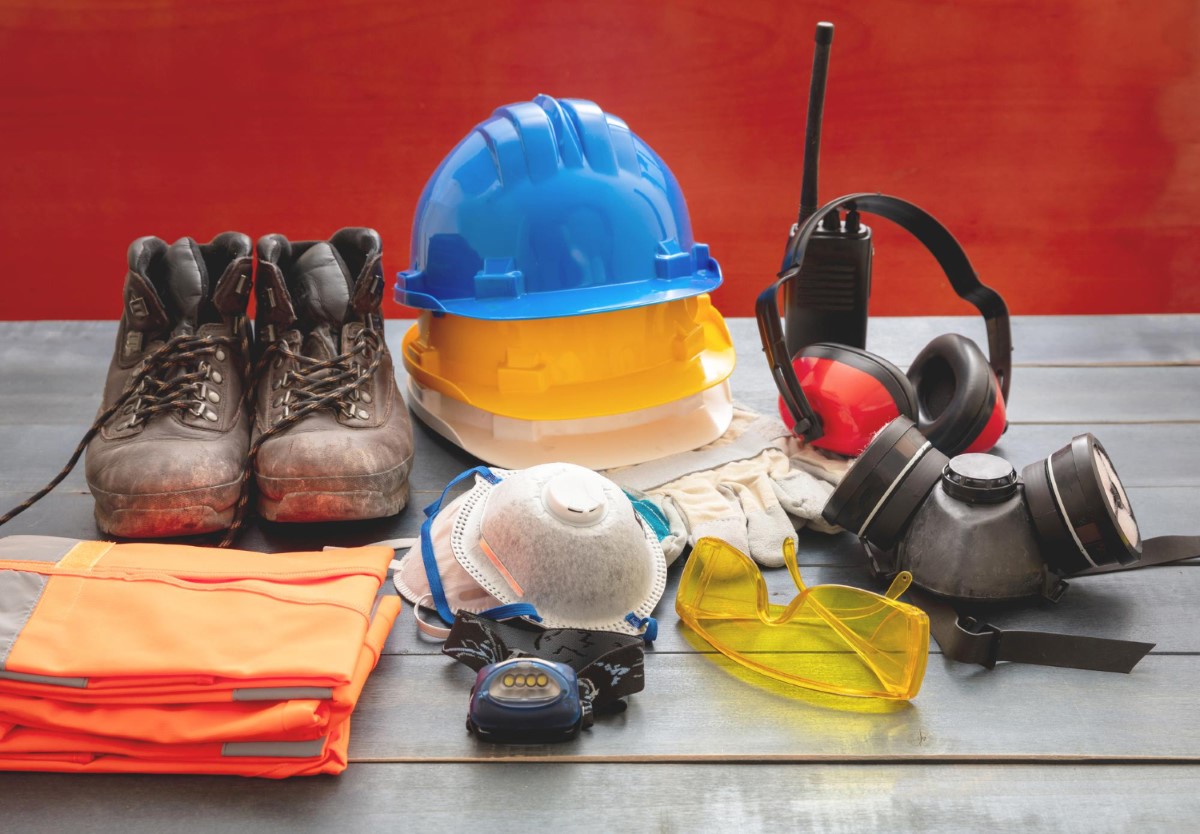
Certified PPE must be compatible with the identified hazards, maintained in good condition and used as part of a structured safety system aligned with NR 06 requirements.
Why is improper use of PPE considered a critical safety failure?
Improper use of PPE represents more than noncompliance; it directly undermines the protective logic of risk management systems. When PPE is worn incorrectly, its protective capacity is reduced or completely nullified.
Moreover, misuse creates a false sense of security that encourages unsafe behavior. From a regulatory perspective, this condition violates NR 06, increasing exposure to accidents, health damage and legal consequences.
Where should PPE control and documentation be applied within an organization?
Effective PPE management extends beyond the worksite and must be embedded into organizational systems. Control and documentation ensure traceability, accountability and continuous compliance.
PPE Control Locations and Records
| Area | Control Application |
|---|---|
| Workplace | Verification of correct use |
| Warehouse | Storage and conservation |
| Safety Management | PPE control sheets |
| Training Records | Proof of instruction and awareness |
NR 06 PPE Course: PPE effectiveness depends on correct selection and user adherence
Protection is achieved not only by the equipment itself, but by the alignment between hazard, equipment and human behavior. Any mismatch between these elements compromises safety.
Introduction to core elements
Compatibility with the hazard
Correct fit and adjustment
User discipline and awareness
Which risks arise when PPE is treated as the only safety measure?
Relying exclusively on PPE signals a structural failure in risk management. This approach ignores elimination, substitution and engineering controls, transferring full responsibility to the worker.
As a result, exposure increases, safety culture weakens and accident probability rises. NR 06 reinforces that PPE is a complementary safeguard, never a substitute for comprehensive occupational risk control.
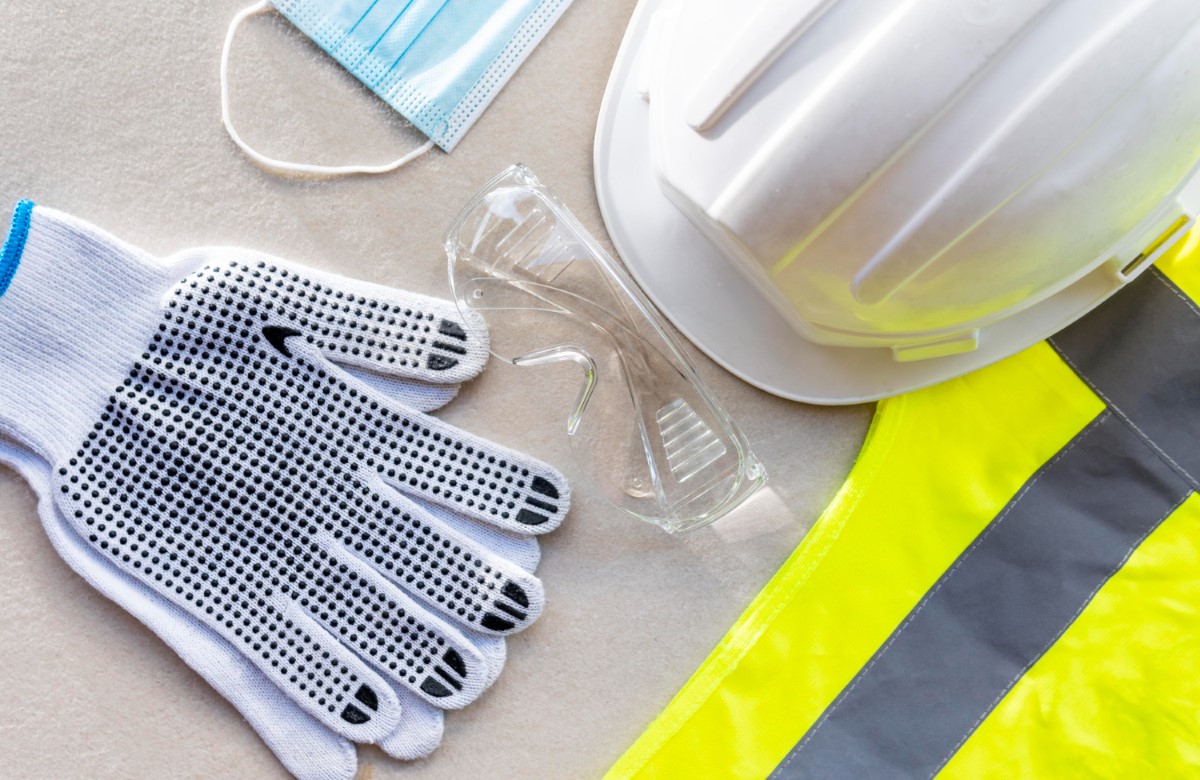
Personal Protective Equipment represents the last protective barrier against occupational hazards, requiring correct selection, proper fit and disciplined use to effectively reduce exposure to residual risks.
What is the important of the NR 06 PPE Course?
The importance of this course lies in its ability to build a clear and consistent understanding of how Personal Protective Equipment must be selected, used and managed within a structured occupational safety system. By focusing on theoretical foundations, the course strengthens risk perception, prevents misuse and reduces exposure to residual hazards that cannot be eliminated by other control measures. This knowledge is essential to ensure that PPE functions as an effective protective barrier rather than a symbolic requirement, in full compliance with NR 06.
Furthermore, the course plays a strategic role in aligning employers and employees with their legal responsibilities, reinforcing safety culture and supporting compliance during audits and inspections. By mastering the principles established by NR 06, participants are better prepared to make informed decisions, maintain proper PPE control and contribute to safer, more resilient work environments.
Click the Link: Criteria for Issuing Certificates in accordance with the Standards
Certificate of Completion
NR 06 PPE Course
NR 06 PPE PERSONAL PROTECTIVE EQUIPMENT TRAINING COURSE
Course Load: 06 Hours
MODULE 1 – PPE Fundamentals and Regulatory Basis (1 Hour)
Concept and purpose of Personal Protective Equipment (PPE)
Importance of PPE in accident and occupational disease prevention
Risks related to non-use or improper use of PPE
NR 06 principles, scope and objectives
Relationship between PPE and Occupational Risk Management
Hierarchy of controls and PPE as a complementary protective measure
MODULE 2 – Legal Responsibilities and PPE Management (1 Hour)
Employer responsibilities
Employee responsibilities
Manufacturer and importer responsibilities
Certificate of Approval (CA) concept and validity
PPE control, conservation, cleaning and safekeeping
PPE control sheet
Replacement and disposal criteria
MODULE 3 – General Classification of PPE by Body Area (1 Hour)
Head protection
Eye and face protection
Hearing protection
Respiratory protection overview
Trunk protection
Upper limb protection
Lower limb protection
Whole body protection
Fall protection with level difference
MODULE 4 – Respiratory Protection Technical Fundamentals (1 Hour)
Atmospheric air composition
Breathable air quality
Naming of air components
Equivalent technical terms
Classification of respiratory risks
Criteria for selection of respirators and filters
Relationship between contaminants, concentration and type of respiratory protection
MODULE 5 – Classification of Respiratory Protective Equipment (1 Hour)
General classification of respiratory protection equipment
Airway coverage
Full facepiece
Half facepiece
Quarter facepiece
Airway coverage
Mouthpiece
Helmet
Hood
Non-motorized air-purifying respirator
Facepiece and filter
Filtering half mask
Powered air-purifying respirator
MODULE 6 – Air Supply Systems and Breathing Air Quality (1 Hour)
Air adduction respirator without fan (natural air)
Air adduction respirator with manually operated and motorized fan
Compressed air line respirator
Continuous flow
Demand type
Open-circuit demand self-contained breathing apparatus
Closed-circuit self-contained breathing apparatus
Compressed oxygen
Liquid oxygen
Oxygen generator
Breathable air quality
Conversion of dew point temperatures and corresponding air humidity
Review of atmospheric air composition
Completion and Certification:
Practical Exercises (when contracted);
Evidence Records;
Theoretical Evaluation;
Practical Evaluation (when contracted);
Certificate of Participation.
NOTE:
We emphasize that the General Normative Program Content of the Course or Training may be modified, updated, supplemented, or have items excluded as deemed necessary by our Multidisciplinary Team. Our Multidisciplinary Team is authorized to update, adapt, modify, and/or exclude items, as well as insert or remove Standards, Laws, Decrees, or technical parameters they consider applicable, whether related or not. The Contracting Party is responsible for ensuring compliance with the relevant legislation.
NR 06 PPE Course